

From 2 episodes and 2 videos
How do I go from a building phase into a fat loss phase?
Answered by Nikkiey Stott and her guests · Updated
The short answer
Nikkiey says to lower calories slowly rather than all at once, and to keep protein the same or nudge it up so you protect the muscle you just built. Track progress with photos instead of the scale. Expect your strength to dip a little, and expect some hunger. A small protein increase often helps.
Hear Nikkiey answer it
Tap play to start right where it's answered. It keeps playing while you browse.
Nikkiey's steps for moving into a cut: slow decline, protein, and photos over the scale
Plays from 27:02 · Ep. 82: Macros vs Calories and Workout Recovery for Women Over 40
Why strength dips in a cut, how to train through it, and handling hunger
Plays from 29:53 · Ep. 82: Macros vs Calories and Workout Recovery for Women Over 40
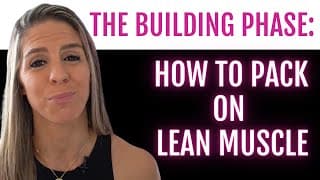
A 58-year-old client builds on 3,000 calories, then cuts and keeps her muscle
Plays from 2:13 · Video: Muscle Building Phase for Women: Who It's For and How Long

Amber Brueseke on bulking to 148 pounds, then cutting to make her weight class
Plays from 0:34 · Video: Should Women Bulk? The Mindset of Gaining Weight on Purpose
The full answer
On Ep. 82, Nikkiey lays out her approach for a client moving from a build into a cut:
- A slow, gradual decline in calories.
- Keep protein where it is, or eat a little more as you get deeper into the cut. A small percentage of muscle can be lost when you eat less, and protein is how you get ahead of that.
- Monitor progress with weekly check-ins and photos, not the scale.
- Expect strength to drop a little.
- Expect some hunger.
The scale point matters most right after a build. Nikkiey explains that your muscle is denser, so you may stay around the same weight, give or take a few pounds, while your body composition changes noticeably in photos. You might see your skin get leaner or see your muscles working more when you lift. A stalled scale here doesn't mean the cut has failed.
In the gym, she suggests adding reps and shortening rest times so your workouts still feel effective while you're eating less. Keep challenging yourself with weight, but accept that some of your numbers may come down for a while. For hunger, she says it's normal to feel hungry at times. Asking for even five more grams of protein has made a big difference for her clients. If you're ravenous within about an hour of a meal, that's a sign to adjust the plan with your coach.
The payoff is real. In a video on building phases, Nikkiey describes a 58-year-old VIP client who built for over nine months on around 3,000 calories. In the cut that followed, she was still losing weight at around 2,000 calories, dropped upwards of 20 pounds, and kept her muscle while losing the fat around it. Guest Amber Brueseke tells a similar story: she bulked from about 126 to 147 or 148 pounds, then cut back down to make her powerlifting weight class. The build gives you a higher-calorie starting point and more muscle to reveal, so the cut doesn't have to be a crash.
From Nikkiey Stott and WarriorBabe's coaching. For education, not medical advice: talk to your doctor about your own health.
Women also ask
More questions →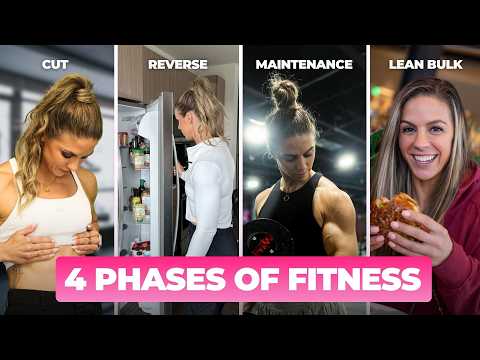
Building Muscle After 40
Why does the scale go up during a muscle-building phase?
The scale goes up during a muscle-building phase because you're eating more food, and food has weight. The extra carbs are stored as glycogen, which holds about three to four grams of water per gram. You're also adding muscle, and Nikkiey says a small amount of fat comes with it. That is normal and expected.
Read the answer →

Building Muscle After 40
Is it normal to gain some fat when building muscle?
Yes. On The WarriorBabe Show, coaches and guests agree that some fat usually comes along when you build muscle. That is the cost of a build. The goal is to maximize muscle and minimize fat. Nikkiey adds that much of the scale increase is muscle, water and glycogen, not just fat.
Read the answer →
Building Muscle After 40
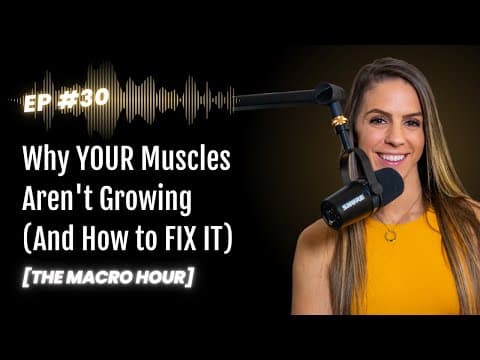
Why am I not building muscle even though I work out?
Most often, your training isn't challenging your muscles enough or your eating isn't fueling them. Nikkiey points to switching workouts constantly, going through the motions without adding weight or intensity, and under-eating, plus poor sleep, stress and recovery. Her fix: run one program for six to eight weeks and make the last three reps of every set hard.
Read the answer →
Watch or listen in full
More on this topic →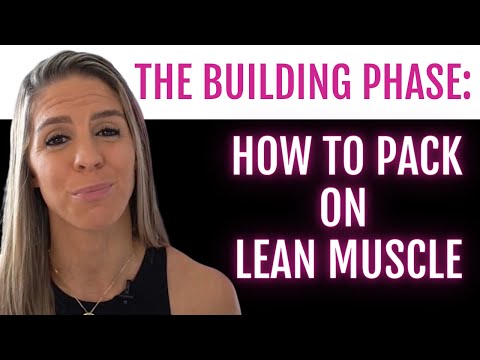 5 min
Muscle Building Phase for Women: Who It's For and How Long
Video · Feb 1, 2022
 3 min
Should Women Bulk? The Mindset of Gaining Weight on Purpose
With Amber Brueseke
Macros vs Calories and Workout Recovery for Women Over 40
Episode 82 · Aug 4, 2023