

From 1 episode and 1 video
Can I strength train with chronic back pain?
Answered by Nikkiey Stott · Updated
The short answer
Yes, according to The WarriorBabe Show, many women can, if they start in the right place. On Ep. 243, client Paige describes how her coach began with light, back-safe exercises and built her core first, until she could deadlift without pain. Nikkiey adds stretching rather than cutting back. Check with your doctor first.
Hear it answered
Tap play to start right where it's answered. It keeps playing while you browse.
Paige on going from fearing weights to deadlifting without back pain
Plays from 22:34 · Ep. 243: Eating More to Lose Weight After Years of Under-Eating
Nikkiey on why back aches don't mean you should shorten your workouts
Plays from 5:51 · Video: Fasted Cardio vs Fasted Lifting: What's Okay After 40?
Nikkiey on adding stretching, yoga and massage to support your lifting
Plays from 6:03 · Video: Fasted Cardio vs Fasted Lifting: What's Okay After 40?
Paige on how her coach modifies exercises when an injury flares up
Plays from 50:39 · Ep. 243: Eating More to Lose Weight After Years of Under-Eating
The full answer
The fear makes sense. On Ep. 243, Paige says she was terrified of picking up a weight because she didn't want to hurt her back again. She told her WarriorBabe coach about the pain and her concerns, and the coach eased her in with low-weight exercises that were safe for her back. The coach didn't start her with heavy weights or risky lifts. She built up Paige's core and the muscles around her spine first, so her back had support and she wouldn't re-injure it. Over time Paige worked up to deadlifts without back pain, something she says she never thought she'd be able to do.
Paige also says the plan kept adjusting. When her knee or shoulder flared up, her coach modified that exercise for the week or took it out entirely. Her point is that the program is built around each woman's goals and restrictions, not one plan for everyone.
In a Q&A video, a 46-year-old listener said her back was starting to ache and her chiropractor told her to ease off because she wasn't 20 anymore. Nikkiey disagreed with the age argument. She points to women in their late 50s and 60s getting strong results in the program. Rather than shortening your workouts, she suggests adding things that support them:
- Stretching first. She says growing muscles need space, and stretching helps make it.
- Possibly yoga.
- Massages every one, two or three weeks.
A note of caution. Nikkiey is sharing her coaching view, not a diagnosis. Chronic back pain has many causes, so talk with your doctor or a qualified provider about what's safe for your back. Then have a coach build the plan around what you learn, starting light and progressing from there. If lifting has hurt you before, that probably says more about the program you were given than about you.
From WarriorBabe's coaches (how we write our answers). For education, not medical advice: talk to your doctor about your own health.
Women also ask
More on Strength Training for Women →
Strength Training for Women
How should I warm up before lifting weights?
Warm up for 5 to 10 minutes, not 30, Nikkiey says. Do a few minutes of light cardio to raise your heart rate, some gentle mobility like arm circles or glute bridges, then one or two lighter, high-rep sets of your first exercise so your joints, muscles and movement pattern are ready before your working sets.
Read the answer →
Strength Training for Women
What are the different ways to do progressive overload?
Nikkiey's progressive overload methods are adding weight, adding reps or sets, shortening rest between sets, changing tempo, switching equipment, varying exercises with techniques like drop sets, and eccentric training with more time under tension. Her advice is to add them one at a time, starting with weight, rather than changing everything at once.
Read the answer →
Strength Training for Women
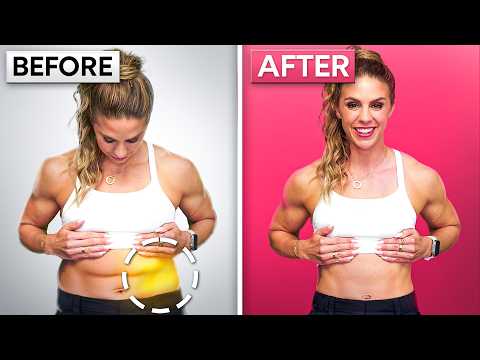
How do I make a home workout harder without a gym?
Make it harder by adding two to three reps or a few extra seconds each week, shortening your rest between sets, and slowing every movement down. When that starts to feel too easy, one WarriorBabe coach suggests adding light dumbbells or resistance bands. You don't need a gym or heavy weights to keep progressing.
Read the answer →

Strength Training for Women
How heavy should I lift?
Lift heavy enough that the last three reps of every set are challenging while your form stays good. Nikkiey says that if you finish a set thinking it was easy, the weight is too light. You don't need huge numbers. You need a weight that's hard for you, and you need to keep adding to it over time.
Read the answer →
Strength Training for Women
Is good form more important than lifting heavier?
Yes. The order is form first, then connection to the muscle, then weight. If you can't feel the target muscle working, adding weight doesn't make it stronger; other muscles take over and your joints pay for it. Drop the weight until you feel the right muscle, then build from there.
Read the answer →

Strength Training for Women
How many days a week should I lift weights?
Three to four days a week is Nikkiey's core recommendation for women over 40: 30 to 45 minutes per session, built on compound lifts and progressive overload, with walking on off days and seven to eight hours of sleep. Lifting six or seven days a week, she says, breaks down muscle faster than you can rebuild it.
Read the answer →
Watch or listen in full
More on this topic → 21 min
Fasted Cardio vs Fasted Lifting: What's Okay After 40?
Video · Jul 19, 2022
 52 min
Eating More to Lose Weight After Years of Under-Eating
Episode 243 · Mar 21, 2025