

From 1 episode and 3 videos
What should women look for in a protein powder?
Answered by Nikkiey Stott and WarriorBabe's coaches · Updated
The short answer
Look for a complete protein first. On The WarriorBabe Show, Nikkiey Stott explains that whey, dairy, soy and pea powders contain all the essential amino acids, while rice and hemp fall short. One WarriorBabe coach uses whey isolate almost daily because it's low in carbs and fat. Treat collagen separately and cap shakes at two.
Hear it answered
Tap play to start right where it's answered. It keeps playing while you browse.
Nikkiey on which protein powder sources are complete and which fall short
Plays from 4:02 · Ep. 9: How to Build Muscle During Menopause and Choose Protein
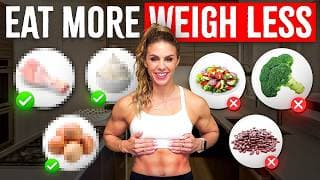
A WarriorBabe coach on why whey isolate is her go-to for hitting protein
Plays from 6:04 · Video: 8 Foods to Build Lean Muscle After 40: A Grocery List

Nikkiey on why she wouldn't count collagen toward your protein numbers
Plays from 15:39 · Video: How Many Protein Shakes a Day? Whole Food Protein Q&A
Nikkiey on capping protein shakes and bars at one or two a day
Plays from 21:24 · Video: Pre-Workout Carbs, Collagen and Cardio: A Live Q&A
The full answer
On Ep. 9, Nikkiey explains that a complete protein contains all the essential amino acids your body can't make on its own. That makes the source on the label the first thing to check. Whey and other dairy-based powders are complete, and so are plant-based soy and pea. Rice and hemp powders are low in one or more essential amino acids, so they don't count as complete. She also points out that making a protein powder is a completely different process from how a protein like chicken is created.
If you want a simple default, one WarriorBabe coach puts whey protein isolate on her muscle-building grocery list because it's realistic, not a gimmick. She uses it almost daily. She describes it as a fast-digesting complete protein that's low in carbs and fat, and you can mix it with water or into a shake after a workout. And if your shake has a tiny bit of fat in it, Nikkiey says that's totally fine.
Collagen is where people get confused. Nikkiey calls it an incomplete protein that doesn't break down like chicken, egg whites or Greek yogurt. Her advice on tracking varies a little between episodes. In one live Q&A she says that if you take it daily and track your intake, you need to count it as protein. In another she says she wouldn't count it toward your protein numbers, because some people may not fully digest it. Either way, she tried it for a couple of months, didn't notice anything, and prefers the pill form so it doesn't muddy your tracking.
Finally, the powder is a tool, not the plan. Nikkiey recommends whole foods first and no more than one or two artificial protein sources a day. A protein bar counts toward that limit too.
From WarriorBabe's coaches (how we write our answers). For education, not medical advice: talk to your doctor about your own health.
Women also ask
More on Protein for Women →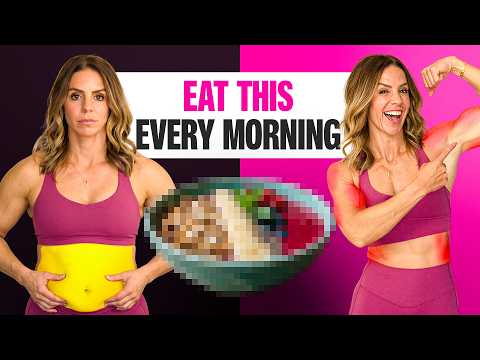
Protein for Women
Should I eat whole eggs or just egg whites?
Both. WarriorBabe's coaches don't treat it as either/or. Keep the yolk, because women over 40 need its cholesterol, vitamins and fats for hormone production, then add egg whites for extra protein without extra fat. Nikkiey's own breakfast for three years has been one whole egg plus 100 to 150 grams of egg whites.
Read the answer →
Protein for Women
Are protein shakes as good as real food?
Not quite. Nikkiey's view is that protein shakes and bars are a useful tool, not a replacement for whole foods. They're processed and lack the vitamins, minerals and other nutrients you get from chicken, eggs, fish or tofu. She suggests about 80% of your protein from whole foods and roughly 20% from shakes and bars.
Read the answer →
Protein for Women
What is the difference between complete and incomplete protein?
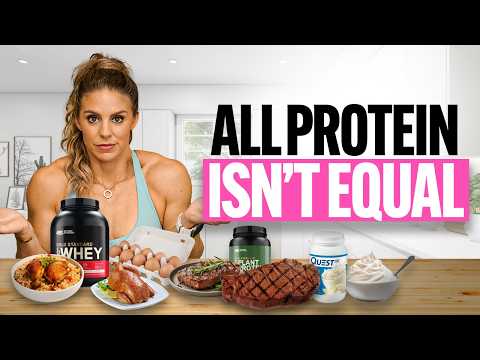
A complete protein contains all nine essential amino acids, the ones your body can't make and must get from food. An incomplete protein is missing one or more. Complete sources are mostly animal-based, like chicken, eggs, fish, Greek yogurt and whey. Incomplete sources are mostly plant-based, like nuts, beans, lentils and oats.
Read the answer →
Protein for Women
Why do women need more protein as they get older?
Women need more protein with age because they lose muscle every decade and their bodies get worse at turning protein into muscle, which Nikkiey calls anabolic resistance. To get the same muscle-building response as a younger woman, you need more protein, not less. Eating less to lose weight usually works against you.
Read the answer →

Protein for Women
Can your body only absorb 30 grams of protein at once?
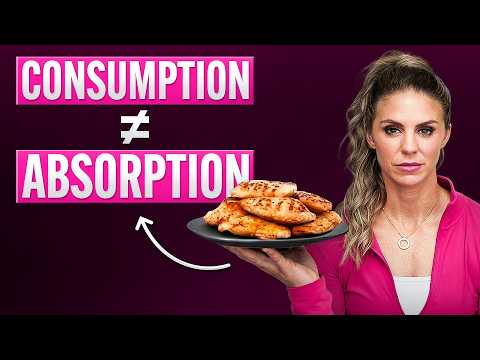
No. Nikkiey explains that your body can absorb more than 30 grams of protein in one meal. What tops out is muscle protein synthesis, the muscle-building response, at around 30 to 50 grams per meal for most women. Protein beyond that is still absorbed and used for other functions. It is not stored as fat.
Read the answer →
Protein for Women
How much protein should a woman eat a day to lose weight?
Most WarriorBabe guidance lands at roughly 0.7 to 1 gram of protein per pound of body weight, with 100 grams a day as the floor. Nikkiey Stott's rule is about your body weight in grams, or your goal weight if you have a lot to lose. Spread it across meals and build up gradually.
Read the answer →
Watch or listen in full
More on this topic →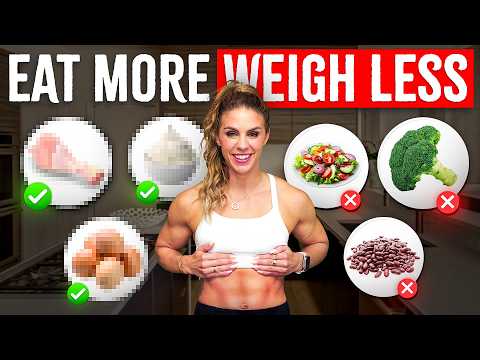 12 min
8 Foods to Build Lean Muscle After 40: A Grocery List
Video · Oct 25, 2025
 20 min
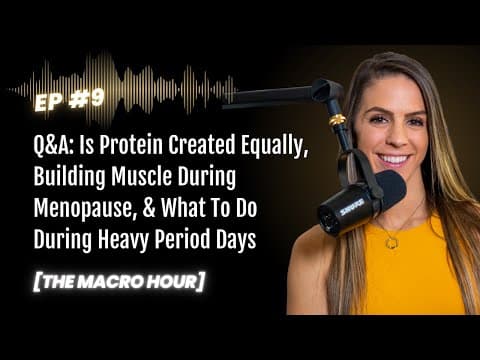
How to Build Muscle During Menopause and Choose Protein
Episode 9 · Jan 27, 2023
 38 min
Pre-Workout Carbs, Collagen and Cardio: A Live Q&A
Video · Mar 22, 2021