

From 3 videos
What macro split is best for women over 40?
Answered by Nikkiey Stott and her guests · Updated
The short answer
Nikkiey's starting point for women over 40 is roughly 35% protein, 27% carbs and 38% fat. Protein protects muscle and keeps you full, carbs fuel training and energy, and fat supports hormones and satisfaction. For a client facing menopause changes, she used 32% protein, 30% carbs and 38% fat. It's not keto, and your exact numbers depend on you.
Hear Nikkiey answer it
Tap play to start right where it's answered. It keeps playing while you browse.

Nikkiey's 35/27/38 split and what each macro does for you after 40
Plays from 5:56 · Video: 10-Step Plan to Lose 25 Pounds of Fat After 40
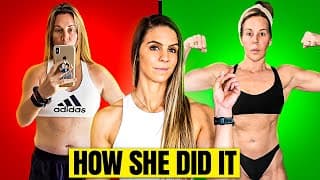
Why Nikkiey keeps fat higher than carbs for women in menopause
Plays from 4:31 · Video: Best Macros for Menopause Belly Fat: A 32/30/38 Split
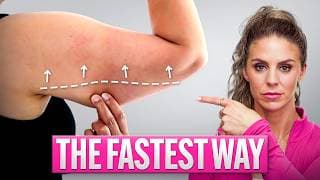
The starting split for new WarriorBabes and why it differs from typical diet advice
Plays from 3:22 · Video: How to Get Rid of Bat Wings After 40: Nutrition and Triceps
How to calculate your calories and protein before setting macros
Plays from 3:15 · Video: 10-Step Plan to Lose 25 Pounds of Fat After 40
The full answer
Nikkiey explains that most women who come to WarriorBabe think they eat healthy but are under-eating protein and overdoing fats and carbs without realizing it. Her recommended split puts protein first at about 35%, keeps fat at 38% for hormone health, and sets carbs in the high 20s to fuel workouts and recovery. One episode gives the carb figure as 27% and another as 28%, so treat it as a range rather than a magic number. She is clear this isn't keto or anything extreme. It's a correction to the low-calorie, low-fat, inconsistent-protein advice that may have worked in your 20s and 30s but doesn't support a body dealing with declining estrogen, muscle loss and a slowing metabolism.
For menopause belly fat, Nikkiey shares a slightly different breakdown she used with a long-time client whose progress stalled when pre-menopause symptoms started: 32% protein, 30% carbs and 38% fat. She kept the client's calories the same and changed only the fat and carb ratios. Her reasoning is that hormonal shifts can make women more carbohydrate sensitive, so keeping fat a little higher than carbs works with those changes. If you're navigating menopause symptoms, bring your doctor into the conversation too.
Percentages only work once your calories and protein are set. On the 10-step episode, Nikkiey's formula is:
In the menopause episode, she says a 150-pound woman needs at least 150 grams of protein a day, which is the top of that range.
- Calories: body weight times 11 to 12
- Protein: body weight times 0.8 to 1.0 grams
She also stresses that your exact numbers depend on your body, weight, activity level, metabolism and goals. You don't have to track forever, but tracking gives you awareness and control instead of guessing. If past diets failed you, it was likely the numbers, not you.
From Nikkiey Stott and WarriorBabe's coaching. For education, not medical advice: talk to your doctor about your own health.
Women also ask
More questions →
Macros & Macro Tracking
Do I have to track macros forever?
No. Nikkiey is clear that you don't have to track macros for the rest of your life. Tracking and weighing your food is a temporary, educational phase that teaches you what real portions of protein, carbs and fat look like. Do it consistently for a couple of years and it becomes second nature.
Read the answer →
Macros & Macro Tracking
How do I make tracking macros less overwhelming?
Make the job smaller at first. The women on the show who stuck with it started small: tracking only protein, planning one day and repeating it, or picking a few meals from a sample plan. Nikkiey says week one might take half an hour a day, but by week three or four it takes five to ten minutes.
Read the answer →
Macros & Macro Tracking
How do I start tracking macros as a beginner?
Start by learning to track before chasing any numbers. Nikkiey has beginners log what they normally eat in MyFitnessPal for seven days, then focus on protein first and add fats and carbs later. Keep your meals simple and repetitive for the first few weeks so tracking becomes a skill, not a source of overwhelm.
Read the answer →
Watch or listen in full
More on this topic →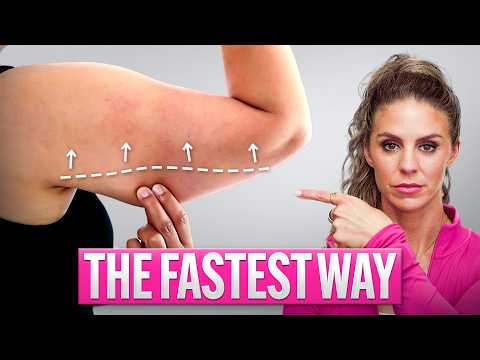 13 min
How to Get Rid of Bat Wings After 40: Nutrition and Triceps
Video · May 15, 2026
 11 min
10-Step Plan to Lose 25 Pounds of Fat After 40
Video · Nov 8, 2025
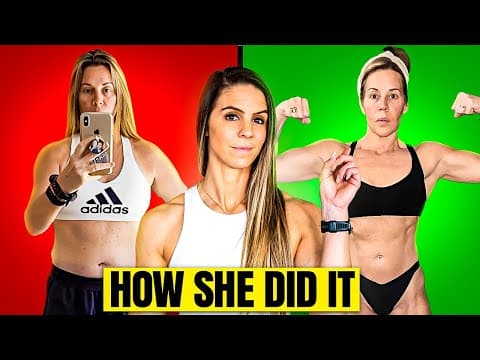 9 min
Best Macros for Menopause Belly Fat: A 32/30/38 Split
Video · Mar 26, 2023