

The short answer
A refeed day is a planned, temporary increase in calories, mostly from extra carbs and fats, that you still track before going right back into your deficit. Nikkiey uses refeeds to relieve the stress of dieting and support your metabolism. It's a strategy, not permission to eat whatever you want.
Hear it answered
Tap play to start right where it's answered. It keeps playing while you browse.
Nikkiey defines a refeed and why it isn't a weekend off the rails
Plays from 17:29 · Ep. 188: How to Break Through a Fitness Plateau After 40
The extra carbs and fat Nikkiey adds on a refeed day, and who it suits
Plays from 25:27 · Ep. 162: Cheat Meals vs Refeed Days: When and How to Use Them
Why a temporary calorie increase helps after a long cut
Plays from 31:31 · Ep. 199: How to Do a Cut: When to Start and When to Stop

Nikkiey walks through her own 2,800-calorie refeed day
Plays from 0:05 · Video: What to Eat on a Refeed Day: A 2,800-Calorie Full Day
The full answer
Nikkiey describes setting one up in two ways. On Ep. 188, she describes spending the weekend at your maintenance calorie and macro numbers, tracked precisely, then going back into your deficit on Monday. On Ep. 162, she describes a single day where you keep your usual macros and add roughly 70 grams of carbs and 15 grams of fat. She calls those numbers a ballpark that depends on who she's working with, and you can spread them through the day however you like.
The reason behind it: Nikkiey explains on Ep. 199 that the longer you stay in a cut, the louder your body's adaptations and the stress of the deficit become. Temporarily eating more, she says, boosts your metabolism and relieves some of those effects. On Ep. 188 she puts it simply: there's only so far you can push a deficit before you plateau, and the way out is more food.
How it compares to similar strategies:
- Cheat meal: one untracked meal, like dinner out, while you eat normally and hit your protein the rest of the day. A refeed suits women who would rather keep tracking.
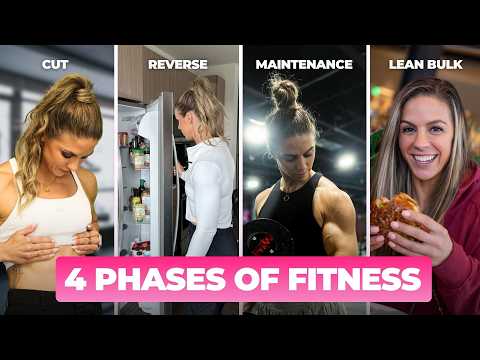
- Diet break: about a week at those higher numbers. On Ep. 199 Nikkiey says three refeed days in a row is essentially a diet break, and she has done everything from three back-to-back refeed meals to a week or longer, sometimes a few weeks before cutting again. It varies for everybody.
In one video, Nikkiey shows her own refeed day: 2,800 calories, starting with a bagel and egg whites and finishing with a burger, homemade sweet potato fries and ice cream, all planned into her numbers. That's the point. Eating more isn't you failing your diet; it's part of the plan.
From WarriorBabe's coaches (how we write our answers). For education, not medical advice: talk to your doctor about your own health.
Women also ask
More on Metabolism, Eating More & Reverse Dieting →
Metabolism, Eating More & Reverse Dieting
When should I stop dieting and eat at maintenance?
Nikkiey says it's time to move to maintenance when you've reached your goal, hit a plateau that won't budge for weeks, or your body starts pushing back. That means energy and gym performance drop, hunger is constant, mood or sleep suffer, or you're mentally burned out from dieting, often after months in a deficit.
Read the answer →

Metabolism, Eating More & Reverse Dieting
How do I know if I'm ready to start a cut?
You're ready to start a cut when you have a solid foundation of muscle, you've spent real time eating at maintenance, and your metabolism is healthy. Nikkiey also looks for stable sleep, stress and recovery. If you're eating around 1,000 to 1,100 calories with no hunger cues, or you've dieted for years, a cut isn't the next step.
Read the answer →
Metabolism, Eating More & Reverse Dieting
Why is my weight going up during maintenance?
Your weight usually rises in maintenance because your daily calorie burn shifts with activity, sleep, stress and your cycle, and because you're likely building muscle. Nikkiey says your maintenance weight is your two-to-four-week average, not one morning's number, and a rise of around three pounds, up to about seven at most, isn't all fat.
Read the answer →
Metabolism, Eating More & Reverse Dieting
Should I eat less if an injury stops me from working out?
Maybe a little, but not much, and never by forgetting to eat. On The WarriorBabe Show, Nikkiey may trim carbs by about 100 to 150 calories and adjust fats slightly while you heal. Some clients she leaves at maintenance. Under-eating can slow recovery, so make this call with your coach.
Read the answer →

Metabolism, Eating More & Reverse Dieting
Should I eat the BMR number a calculator gives me to lose weight?
No. Nikkiey Stott explains that your BMR is only what your body burns at rest: sitting, talking and breathing. Walking, workouts and daily movement add to that and can push your real needs well above it. Instead of eating your BMR, she says to follow the WarriorBabe calculator, which accounts for your activity and your goal.
Read the answer →

Metabolism, Eating More & Reverse Dieting
Will I gain weight when I start eating more?
Probably a little, and that's expected. Nikkiey explains that when you start eating more during a retrain or reverse diet, your weight will usually fluctuate about two to five pounds from water, glycogen, food volume and salt, not fat. If the gain keeps climbing or holds around five pounds, the increase was likely too fast.
Read the answer →
Watch or listen in full
More on this topic → 39 min
How to Do a Cut: When to Start and When to Stop
Episode 199 · Oct 18, 2024
 6 min
What to Eat on a Refeed Day: A 2,800-Calorie Full Day
Video · Feb 16, 2021
 40 min
Cheat Meals vs Refeed Days: When and How to Use Them
Episode 162 · Jun 7, 2024