

From 3 episodes and 3 videos
How much protein do I need to lose fat and build muscle at the same time?
Answered by Nikkiey Stott and WarriorBabe's coaches · Updated
The short answer
Nikkiey's range is about 0.8 to 1 gram of protein per pound of body weight per day, so roughly 150 grams if you weigh 150 pounds. If you have a lot to lose, she bases it on your goal weight instead. One video also sets 100 grams a day as your minimum.
Hear it answered
Tap play to start right where it's answered. It keeps playing while you browse.
Nikkiey gives the 0.8 to 1 gram range and when to use your goal weight instead
Plays from 8:35 · Ep. 257: How Much Protein Do You Need? Common Mistakes and Fixes
Nikkiey on the protein range and how to ramp up gradually from where you are
Plays from 16:12 · Ep. 347: What Are Macros and How Do I Start Tracking Them?
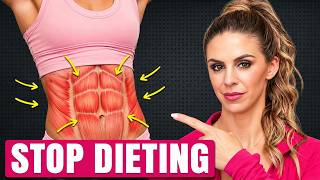
The goal-weight protein target, a full 130-gram day of real food, and spreading it out
Plays from 7:21 · Video: Body Recomposition After 40: The 4 Steps That Work
Nikkiey on how eating enough protein cut her cravings, plus her recommended range
Plays from 7:16 · Ep. 8: Tracking Macros vs Counting Calories for Fat Loss

Why one WarriorBabe coach calls protein non-negotiable for losing fat and keeping your shape
Plays from 15:43 · Video: WarriorBabe Fitness Journey and 5-Step Roadmap
The full answer
The exact number depends on you. On Ep. 257, Nikkiey says it ranges from about 0.8 to 1 gram per pound of body weight or goal body weight, depending on your lifestyle, your weight and where you are right now. If you weigh 250 pounds, she won't tell you to eat 250 grams. She uses your goal weight. The recomposition video gives 0.7 to 1 gram per pound of goal weight, so a 140-pound goal means 100 to 140 grams a day. Other episodes simplify it to one gram per pound. Whichever number you land on, she says to hit it every day, not just on good days.
Why so much? Nikkiey explains that protein helps you keep and build muscle while you lose fat. It keeps you fuller, steadies your blood sugar, and your body burns more calories digesting it. On Ep. 8, she warns that chasing weight loss alone costs you muscle along with fat and leaves you a "skinnier, fatter version" of yourself. On Ep. 257, she adds that protein won't make you bulky. Building muscle takes time, consistency and serious intention.
If you're far below your target now, don't jump straight to it. On Ep. 347, Nikkiey suggests going from about 80 grams to 100, letting your body adjust, then nudging it up again every couple of weeks. Spread it across your meals instead of cramming it into dinner, because your body can only use so much at once for muscle building. One WarriorBabe coach's sample day comes to roughly 130 grams from real food:
- Eggs and turkey sausage at breakfast
- Chicken salad at lunch
- Greek yogurt in the afternoon
- Salmon with rice and vegetables at dinner
Protein works alongside two other habits. WarriorBabe's coaches pair it with heavy compound lifting three to four times a week and with eating enough overall, because your body can't build anything while it's starving. If you've been under-eating protein and over-relying on cardio, the problem was the plan, not you.
From WarriorBabe's coaches (how we write our answers). For education, not medical advice: talk to your doctor about your own health.
Women also ask
More on Protein for Women →
Protein for Women
Will eating more protein make me bulky?
No. Nikkiey explains that protein doesn't make you bulky; eating an excess of calories does. Protein is the building block that helps your body hold on to lean muscle while you lose fat, which creates the toned look most women want. Not eating enough protein is what leaves you looking soft.
Read the answer →

Protein for Women
Is it bad to eat most of my protein at dinner?
Nikkiey says yes, it works against you. Your body can only use roughly 30 to 40 grams of protein per meal to trigger muscle protein synthesis, so a big protein-heavy dinner triggers it once, while the excess is used for energy or excreted. Spreading the same total across four or more meals triggers it several times a day.
Read the answer →
Protein for Women
Should I eat whole eggs or just egg whites?
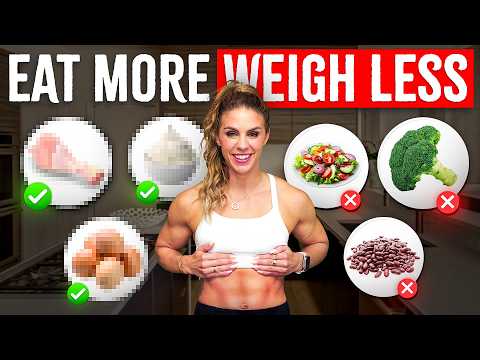
Both. WarriorBabe's coaches don't treat it as either/or. Keep the yolk, because women over 40 need its cholesterol, vitamins and fats for hormone production, then add egg whites for extra protein without extra fat. Nikkiey's own breakfast for three years has been one whole egg plus 100 to 150 grams of egg whites.
Read the answer →
Protein for Women
What is the difference between complete and incomplete protein?
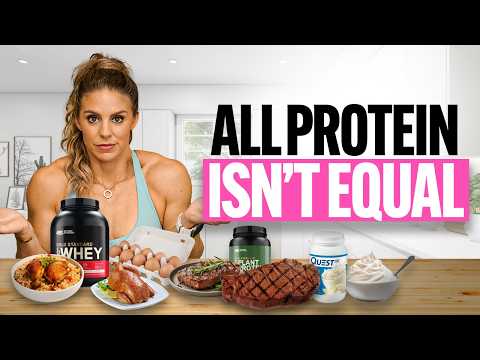
A complete protein contains all nine essential amino acids, the ones your body can't make and must get from food. An incomplete protein is missing one or more. Complete sources are mostly animal-based, like chicken, eggs, fish, Greek yogurt and whey. Incomplete sources are mostly plant-based, like nuts, beans, lentils and oats.
Read the answer →
Protein for Women
What is the easiest way to hit my protein goal every day?
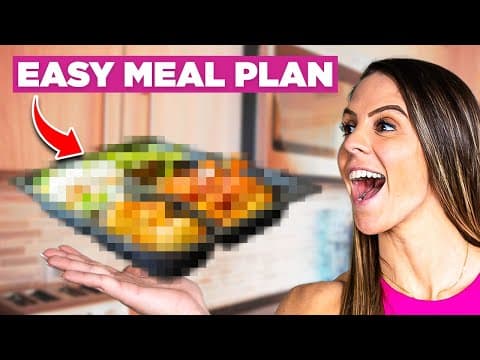
The easiest way is to plan tomorrow's meals the night before, then split your protein across every meal so each one carries a manageable number. Nikkiey's 150-gram day breaks into five meals of roughly 24 to 38 grams each. Build those meals around lean sources like chicken, egg whites, lean ground beef, fish, tofu or protein powder.
Read the answer →
Protein for Women
How much protein should a woman eat a day to lose weight?
Most WarriorBabe guidance lands at roughly 0.7 to 1 gram of protein per pound of body weight, with 100 grams a day as the floor. Nikkiey Stott's rule is about your body weight in grams, or your goal weight if you have a lot to lose. Spread it across meals and build up gradually.
Read the answer →
Watch or listen in full
More on this topic → 22 min
How Much Protein Do You Need? Common Mistakes and Fixes
Episode 257 · May 9, 2025
 18 min
Tracking Macros vs Counting Calories for Fat Loss
Episode 8 · Jan 25, 2023
 19 min
Body Recomposition After 40: The 4 Steps That Work
Video · Oct 7, 2026