

From 1 episode
Does tracking macros work if I overeat instead of undereat?
Answered by Nikkiey Stott and her guests · Updated
The short answer
Yes. Nikkiey says macros work for overeaters just as powerfully as for under-eaters. The fix usually isn't eating less, it's eating differently: raise protein dramatically and bring carbs and fats into a structured range. When your body finally gets real fullness signals, total calories often come down on their own.
Hear Nikkiey answer it
Tap play to start right where it's answered. It keeps playing while you browse.
Nikkiey on why overeaters need to eat differently, not just eat less
Plays from 11:04 · Ep. 379: Do Macros Work If You Overeat? How to Break the Cycle
Raising protein before cutting calories, and why it curbs overeating
Plays from 21:47 · Ep. 379: Do Macros Work If You Overeat? How to Break the Cycle
Why macros work for overeaters as powerfully as for under-eaters
Plays from 12:16 · Ep. 379: Do Macros Work If You Overeat? How to Break the Cycle
The full answer
On Ep. 379, Nikkiey explains that many women who see themselves as overeaters keep eating past what their body needs because they aren't getting the satiating signals they've been missing. So the main intervention isn't punishing restriction. It's changing what your calories are made of so they work with your hunger signals instead of against them. Her takeaway: you don't need to eat less, you need to eat differently. Even at the same calories, a plan built on protein feels very different from the way you've been eating.
Her practical order of operations:
- Start by tracking to find where you actually are, because you can't build a plan from a number you're guessing at.
- Raise protein before you lower calories. She recommends one gram per pound of body weight, and if you're very overweight, basing it on your desired body weight instead.
- Build each meal around a complete protein source first, then fill in carbs and fats around it.
Nikkiey says that when you do this, hunger tends to go down, cravings ease, blood sugar stabilizes, and total intake often drops without you forcing it. She calls it the counterintuitive move that makes everything else possible, and says the protein does the heavy lifting.
Do you still need a calorie deficit? Her answer is maybe. Once protein is up and carbs and fats are in range, calories often fall naturally, so some women may not need a deficit at all, or at least not an aggressive one. If overeating has felt like a willpower problem, this is the reframe: your body was missing signals the plan never gave it.
From Nikkiey Stott and WarriorBabe's coaching. For education, not medical advice: talk to your doctor about your own health.
Women also ask
More questions →
Macros & Macro Tracking
Do I have to track macros forever?
No. Nikkiey is clear that you don't have to track macros for the rest of your life. Tracking and weighing your food is a temporary, educational phase that teaches you what real portions of protein, carbs and fat look like. Do it consistently for a couple of years and it becomes second nature.
Read the answer →
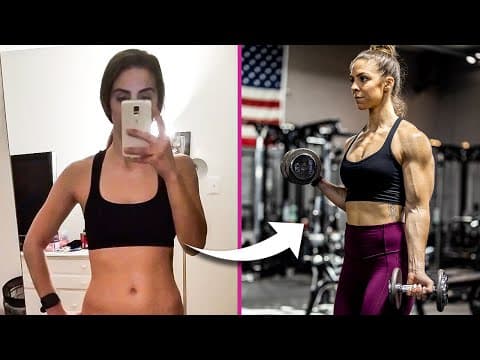
Macros & Macro Tracking
How do I make tracking macros less overwhelming?
Make the job smaller at first. The women on the show who stuck with it started small: tracking only protein, planning one day and repeating it, or picking a few meals from a sample plan. Nikkiey says week one might take half an hour a day, but by week three or four it takes five to ten minutes.
Read the answer →
Macros & Macro Tracking
How do I start tracking macros as a beginner?
Start by learning to track before chasing any numbers. Nikkiey has beginners log what they normally eat in MyFitnessPal for seven days, then focus on protein first and add fats and carbs later. Keep your meals simple and repetitive for the first few weeks so tracking becomes a skill, not a source of overwhelm.
Read the answer →
Watch or listen in full
More on this topic →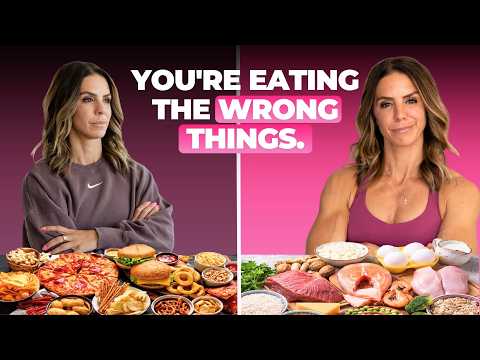 29 min
Do Macros Work If You Overeat? How to Break the Cycle
Episode 379 · Jul 17, 2026