

From 1 episode
Does 'if it fits your macros' mean I can eat anything?
Answered by Nikkiey Stott · Updated
The short answer
No. On The WarriorBabe Show, Nikkiey explains that 'if it fits your macros' still means 80 to 85 percent of your food should be wholesome whole foods. Only about 10 to 15 percent should come from treats like chocolate, cookies or pizza. That small share for treats keeps you sane without making them the whole plan.
Hear it answered
Tap play to start right where it's answered. It keeps playing while you browse.
Nikkiey on why IIFYM doesn't mean cookies, chips and margaritas all day
Plays from 15:10 · Ep. 101: Macros vs Calories: Why Protein, Carbs and Fats Matter
How Nikkiey fits nightly chocolate into her 10-15% treat allowance
Plays from 16:03 · Ep. 101: Macros vs Calories: Why Protein, Carbs and Fats Matter
Nikkiey's whole-food protein sources and the 80% wholesome rule
Plays from 42:57 · Ep. 101: Macros vs Calories: Why Protein, Carbs and Fats Matter
The full answer
On Ep. 101, Nikkiey takes on the popular idea of IIFYM, or 'if it fits your macros.' She agrees with part of it: you can have your cookie and still lose fat. But she pushes back hard on the version that says you can eat cookies, popcorn, chips and margaritas all day as long as the numbers line up. She also calls out coaches who preach a loose version of macros and let burgers and pizza fill the day.
Her split looks like this:
- 80 to 85 percent wholesome, quality whole foods, such as chicken, vegetables, brown rice, salmon, egg whites, legumes, and seitan if you're vegan. She suggests shopping mostly around the outside of the grocery store rather than the aisles.
- 10 to 15 percent for the foods you love. Nikkiey has four pieces of chocolate every night, and a cookie fits too.
She says that 10 to 15 percent is what keeps you from losing your mind. You don't have to cut out everything you enjoy, so the plan is something you can actually stay on. If you've tried diets that banned every treat and then fell apart, that's a plan problem, not a willpower problem.
Later in the same episode, Nikkiey connects this to protein. She lists chicken, ground turkey, ground beef, whole eggs, egg whites, Greek yogurt, fish and legumes as sources. Protein powders and bars exist, but she calls them artificial and wants most of your day coming from wholesome foods. She says she sees about 90 percent of clients feel better, sleep better, feel stronger and have fewer cravings once they eat more protein. If you're starting on your own, she suggests doing what she did before she had a coach: look up protein sources and where to find them.
From WarriorBabe's coaches (how we write our answers). For education, not medical advice: talk to your doctor about your own health.
Women also ask
More on Macros & Macro Tracking →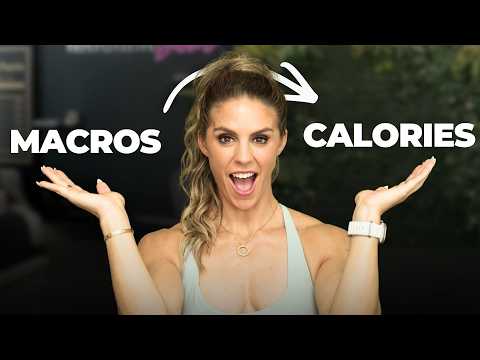
Macros & Macro Tracking
Is tracking macros better than counting calories?
For most women over 40 who want to change how their body looks, yes. Nikkiey explains that macro tracking isn't an alternative to counting calories; it's the more complete version. Calories alone can get the scale moving, but you'll lose muscle with the fat. Tracking protein, carbs and fat lets you lose fat while keeping muscle.
Read the answer →

Macros & Macro Tracking
Can I lose weight without counting macros?
Yes, according to the show, though it helps to track something. Maggie Topham lost 60 pounds in menopause after she stopped tracking everything and tracked only protein, about 150 grams a day. Other women, like Erica, found that learning macros properly was what finally brought results after years of eating healthy without measuring.
Read the answer →
Macros & Macro Tracking
How should I balance protein, carbs and fat at each meal?
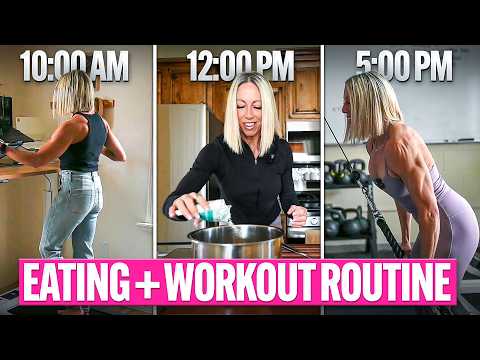
Maggie splits each meal into roughly 35 to 40 grams of protein, about the same amount of carbohydrates, and around 15 to 20 grams of fat. She says this balance keeps her satisfied, gives her the energy to push hard in her workouts and keeps her blood sugar regulated.
Read the answer →

Macros & Macro Tracking
How do I track macros when I cook dinner for my family?
Plan dinner first, then build the rest of your day around it. Find out ahead what's for dinner, plug it into your tracker before anything else, keep your other meals simple and repeatable, and weigh your portion of whatever the family eats. Nikkiey says it's fine for dinner to hold more of your macros, as long as it stays balanced.
Read the answer →

Macros & Macro Tracking
What macros should I eat for body recomposition after 40?
Start with protein at about one gram per pound of body weight daily, then let carbs and fats fill in the rest in a balanced way. Nikkiey says recomposition takes strength training and eating at or near maintenance, not a steep deficit. Some WarriorBabe coaches prefer separate build and fat loss phases instead.
Read the answer →

Macros & Macro Tracking
Do I have to track macros forever?
No. Nikkiey is clear that you don't have to track macros for the rest of your life. Tracking and weighing your food is a temporary, educational phase that teaches you what real portions of protein, carbs and fat look like. Do it consistently for a couple of years and it becomes second nature.
Read the answer →
Watch or listen in full
More on this topic →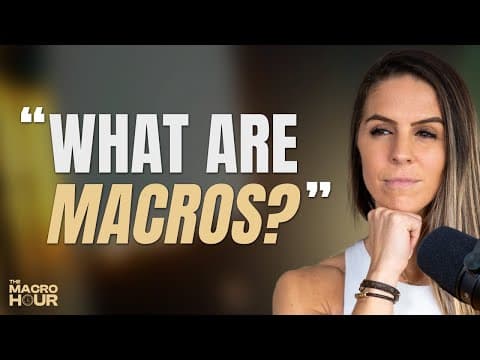 48 min
Macros vs Calories: Why Protein, Carbs and Fats Matter
Episode 101 · Nov 6, 2023