

From 2 episodes and 3 videos
Can I keep losing fat while reverse dieting?
Answered by Nikkiey Stott and WarriorBabe's coaches · Updated
The short answer
Sometimes, but it isn't the point. Nikkiey Stott explains that some women lose a little more fat in the early stages of a reverse diet, but not everyone does. The main goal is to hold on to the fat you've lost while slowly raising your calories so your body handles more food without regaining.
Hear it answered
Tap play to start right where it's answered. It keeps playing while you browse.
Nikkiey on why reverse dieting isn't a fast track to more fat loss
Plays from 10:05 · Ep. 197: How to Reverse Diet After a Calorie Deficit

Jill on still losing weight after her food went up to 190g carbs
Plays from 12:46 · Video: Losing 21 Pounds at 47 After Quitting Keto and Fasting
Robin on calories rising during her first cut and cycling back up
Plays from 19:52 · Ep. 248: Can Your Body Change When the Scale Barely Moves?
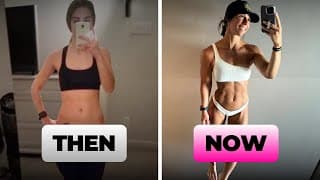
A coach on eating 500 more calories a day and hitting a deadlift PR
Plays from 3:48 · Video: One Year of Reverse Dieting After 1,200 Calories
Nikkiey on why patience keeps your results while you eat more
Plays from 32:26 · Ep. 197: How to Reverse Diet After a Calorie Deficit
The full answer
On Ep. 197, Nikkiey calls 'reverse dieting equals rapid fat loss' the first big misunderstanding. If a coach has promised you'll drop more weight just by adding food, that sets up an unrealistic expectation. Whether you keep losing depends on you: your body, how it responds to more calories, and how much stress you're under. What reverse dieting reliably offers is long-term sustainability, keeping your fat loss results while eating more. She frames it this way: get your results at 1,400 or 1,500 calories, then maintain them eating 400 or 500 calories more.
It does happen for some women. Jill, 47, reached her initial goal of about 20 pounds, then had food added back because she felt her muscles deflating in the cut. At 190 grams of carbs she was lifting much heavier and, to her surprise, still losing. She says she trusts the process and doesn't plan on changing it. On Ep. 248, Robin describes calories still going up during her first cut because she hadn't reached her maintenance point yet. Her coach now cycles her between cuts and roughly eight weeks back up at higher calories.
How you do it matters more than chasing extra loss:
- Go slowly. Nikkiey says the slower you increase calories, the more likely you keep your results without unwanted fat gain.
- Small steps add up. One WarriorBabe coach describes adding 50 to 100 calories a week, and feeling bloated and sluggish the one week she went too fast.
- Watch more than the scale. Energy, sleep, mood and stronger lifts are signs it's working.
That same coach was eating 500 calories more a day after a year, hit a deadlift PR, and calls freedom from obsessing over food the biggest win. If the scale stops moving, the plan hasn't failed you. Maintaining while eating more is the result.
From WarriorBabe's coaches (how we write our answers). For education, not medical advice: talk to your doctor about your own health.
Women also ask
More on Metabolism, Eating More & Reverse Dieting →
Metabolism, Eating More & Reverse Dieting
How do I reverse diet after a cut?
You reverse diet by adding food back slowly. Nikkiey Stott suggests adding about 150 to 200 calories, mostly from carbs and fats, holding for two to three weeks while you track and watch how your body responds, then adding again. Keep strength training, ease back on cardio, and repeat until you reach maintenance.
Read the answer →
Metabolism, Eating More & Reverse Dieting
Will I gain weight when I start eating more?
Probably a little, and that's expected. Nikkiey explains that when you start eating more during a retrain or reverse diet, your weight will usually fluctuate about two to five pounds from water, glycogen, food volume and salt, not fat. If the gain keeps climbing or holds around five pounds, the increase was likely too fast.
Read the answer →

Metabolism, Eating More & Reverse Dieting
What happens if I increase calories too fast when reverse dieting?
Increasing too fast can backfire. Nikkiey explains that a chronically underfed body isn't yet equipped to use a sudden jump in calories efficiently, so the excess tends to get stored as fat. One WarriorBabe coach has felt it herself: one week she raised calories too quickly and was bloated and sluggish for days. Slow, structured increases are the point.
Read the answer →

Metabolism, Eating More & Reverse Dieting
How do I eat more food when I'm not hungry?
Start smaller and simpler. Eat protein early, spread food across smaller meals, and use easy go-to foods and carbs that don't weigh you down. Nikkiey explains that low appetite is usually a sign of consistent under-eating. Women on the show say the stuffed feeling fades within a few weeks as real hunger comes back.
Read the answer →
Metabolism, Eating More & Reverse Dieting
What is reverse dieting?
Reverse dieting is the intentional, gradual increase of calories over time, usually after a fat loss phase or years of under-eating. Nikkiey explains that the goal isn't weight gain. It's bringing your metabolism back up, improving energy, mood and sleep, and keeping your results so your next fat loss phase starts from more food.
Read the answer →

Metabolism, Eating More & Reverse Dieting
Can you lose weight by eating more?
Yes, according to The WarriorBabe Show. Nikkiey says almost every WarriorBabe success story involves eating more food, and members like Amy, Debbie, Lisa and Erin lost weight after raising their calories from chronic lows. The key, she explains, is eating enough to fuel strength training and build muscle, which is active tissue that burns calories even at rest.
Read the answer →
Watch or listen in full
More on this topic →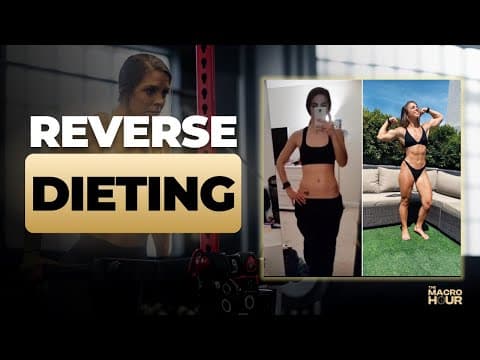 36 min
How to Reverse Diet After a Calorie Deficit
Episode 197 · Oct 11, 2024
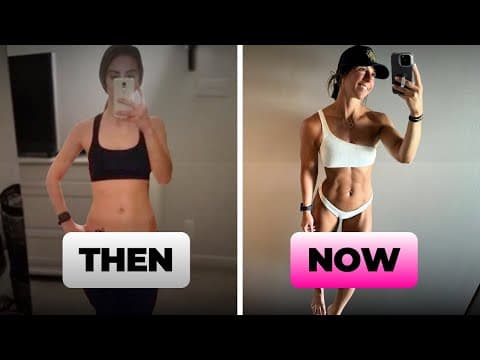 6 min
One Year of Reverse Dieting After 1,200 Calories
Video · Feb 1, 2025
 38 min
Losing 21 Pounds at 47 After Quitting Keto and Fasting
Video · May 24, 2022