

Article5 min read
Night Sweats in Women: Hot Flashes at Night, Other Causes and What Helps
By WarriorBabe ·
On this page
The short answer: night sweats are sweating so heavy that your nightclothes and bedding are soaked, even in a cool room (NHS). The NHS lists menopause first among the common causes: they're hot flashes that happen while you sleep. Anxiety, some medicines, low blood sugar and alcohol can cause them too, so see a doctor if they come with weight loss, a fever or a cough. A cool bedroom, less alcohol, steady eating and, for many women, hormone therapy are what help.
Night sweats rarely come alone. See the perimenopause symptoms guide for the rest of the picture.
Hot flashes at night: why it happens
A night sweat is a hot flash during sleep. In perimenopause and menopause the temperature band your body tolerates gets narrower, so a small rise in core temperature sets off sweating and flushing to dump heat (Freedman, 2014). Researchers group hot flashes and night sweats together as vasomotor symptoms, and in SWAN, frequent ones lasted a median of 7.4 years (Avis et al., 2015).
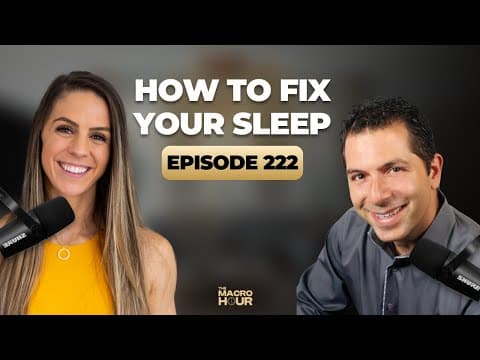
Night is a vulnerable time. Dr. Peter Martone, a chiropractor who teaches sleep, explains that your core temperature needs to drop at the start of the night, and that many women sleep badly as they age because it doesn't (Ep. 222, Dr. Peter Martone). A WarriorBabe coach describes the result many women know: hot flashes at 2 a.m., night sweats that wake you up soaking wet, and a racing mind. Her point is that this isn't something you can just push through (5 Fat Loss Fixes for Women Over 40).
Night sweats explain some, but not all, of the sleep trouble in menopause (Freedman, 2014). If you wake at 3 a.m. without sweating, read why you wake at 3 a.m. and our perimenopause insomnia guide.
Other causes of night sweats in women, and red flags
Night sweats aren't always hormonal. The NHS lists these other common causes (NHS):
- Anxiety.
- Medicines, such as some antidepressants, steroids and painkillers.
- Low blood sugar.
- Alcohol or drug use.
- Hyperhidrosis, a harmless condition that causes heavy sweating.
See a doctor if (NHS):
- night sweats regularly wake you up or worry you;
- you also have a very high temperature, or feel hot, cold or shivery, along with a cough or diarrhea;
- you're losing weight without trying.
If you're under 40 and having night sweats with irregular or missing periods, get checked: it can be premature ovarian failure, which needs its own treatment plan (MedlinePlus). And if a new medicine lines up with your night sweats, ask your doctor; the NHS notes a different medicine may be an option.
Set up your bedroom for night sweats
None of these change your hormones. They make night sweats easier to sleep through.
- Keep the room cool and dark. Nikkiey Stott, WarriorBabe's co-founder, keeps her bedroom around 67 or 68 degrees and uses blackout curtains, because even a little light can disrupt melatonin (Ep. 346). The NHS also advises a cool bedroom at night (NHS).
- Start the bed cold. For women with night sweats, Nikkiey suggests cooling the bed before you get in, so it's already cold when you lie down (Ep. 196).
- Dress light and keep cooling close. Lightweight clothing, a fan, a cool shower or a cold drink are the NHS's suggestions (NHS).
- Watch the evening drink. Nikkiey explains that wine may help you fall asleep, but later in the night you can wake up sweating, hot and tossing and turning (Ep. 359). See Does alcohol affect sleep?
- Move caffeine earlier. Nikkiey flags the 3 p.m. coffee as something to look at if your sleep is suffering (Ep. 346).
- Don't fear carbs at dinner. Cheryl, a WarriorBabe client, once thought carbs gave her night sweats. At 57 she eats about 435 grams a day, at least 75 of them at dinner, and says she's sleeping like a baby (Cheryl's story). Certified menopause consultant Hatty McCafferty explains why: it's the blood sugar peaks and troughs that make night sweats more likely, so protein from breakfast on matters more than cutting carbs (Ep. 207, Hatty McCafferty).
What helps long term
Cut back on alcohol. Nikkiey says that when women reduce alcohol, night sweats ease and hot flashes come less often and less hard, because alcohol destabilizes estrogen. Reduce, she says; you don't have to quit (Ep. 410).
Eat enough and lift. Nikkiey says that eating enough of the right macronutrients, protein especially, means fewer menopause symptoms (Ep. 174). Poor sleep also makes fat loss harder (How does poor sleep affect weight loss?), so this is where training, food and sleep meet. A WarriorBabe 1:1 coach builds your training, food and recovery around your body and your nights. Apply now.
Know what the evidence says. The Menopause Society's 2023 review found too little evidence to recommend cooling techniques or avoiding triggers as treatments for night sweats themselves, though they can make nights easier. It does recommend cognitive behavioral therapy (CBT) and clinical hypnosis, and it does not recommend supplements or herbal remedies (2023 nonhormone statement).
Talk to a clinician about hormone therapy and other treatments. Hormone therapy is the most effective treatment for hot flashes and night sweats, and for women under 60 or within 10 years of menopause without contraindications, The Menopause Society calls the benefit-risk ratio favorable (2022 position statement). Non-hormone prescription options exist for women who can't or don't want to use hormones (2023 statement). Nikkiey's view: "whether or not HRT is right for you, the conversation still needs to happen. Not when your symptoms are unbearable, but now" (Ep. 375). It's a tool, not a quick fix. At WarriorBabe Health, a licensed clinician who knows menopause reviews your history and symptoms and decides whether any treatment fits, prescribing only when appropriate.
Related symptoms
- Perimenopause symptoms: the full list
- Hot flashes
- Perimenopause insomnia
- Perimenopause fatigue
- Perimenopause anxiety
Sources
- NHS. Night sweats. reviewed November 2023.
- NHS. Lifestyle changes to help menopause and perimenopause. reviewed May 2026.
- MedlinePlus Medical Encyclopedia. Premature ovarian failure. reviewed May 2026.
- Freedman RR. Menopausal hot flashes: mechanisms, endocrinology, treatment. Journal of Steroid Biochemistry and Molecular Biology, 2014.
- Avis NE, Crawford SL, Greendale G, et al. (SWAN). Duration of menopausal vasomotor symptoms over the menopause transition. JAMA Internal Medicine, 2015.
- The North American Menopause Society (now The Menopause Society). The 2023 nonhormone therapy position statement. Menopause, 2023.
- The North American Menopause Society (now The Menopause Society). The 2022 hormone therapy position statement. Menopause, 2022.
- WarriorBabe: The WarriorBabe Show Ep. 222 (Dr. Peter Martone), Ep. 346, Ep. 196, Ep. 359, Ep. 410, Ep. 207 (Hatty McCafferty), Ep. 174, Ep. 375; videos: 5 Fat Loss Fixes for Women Over 40, Cheryl's story; answers: Why do I wake up at 3 a.m.?, Does alcohol affect sleep?, How does poor sleep affect weight loss?
Questions women ask
What causes night sweats in women?
For women in their 40s and 50s, perimenopause and menopause are a common cause, because hot flashes also happen during sleep. Anxiety, some medicines, low blood sugar, alcohol and drug use, and a harmless condition called hyperhidrosis can also cause them.
Why do hot flashes happen at night?
Falling estrogen narrows the temperature range your body tolerates, so a small rise in core temperature triggers sweating. At night that wakes you up, and alcohol in the evening can make it more likely.
Are night sweats a sign of perimenopause?
They can be, especially alongside changing periods, mood shifts or poor sleep. If you are under 40, or the sweats come with weight loss or a fever, see a doctor to rule out other causes.
When should I worry about night sweats?
See a doctor if night sweats regularly wake you or worry you, if you are losing weight without trying, or if they come with a high temperature, chills, a cough or diarrhea.
How do I stop night sweats from menopause?
Keep your bedroom cool and dark, wear light layers, cut back on alcohol and eat steadily through the day. Hormone therapy is the most effective treatment, and a clinician who knows menopause can tell you whether it, or a non-hormone option, fits you.
How long do menopause night sweats last?
In the SWAN study, frequent hot flashes and night sweats lasted a median of 7.4 years in total and continued about 4.5 years after the final period. Some women have them for longer.
From WarriorBabe's coaches. For education, not medical advice: talk to your doctor about your own health.
This article is part ofHormones & Hormone HealthWork out yours
Up next
More like this → 28 min
Signs You're Not Eating Enough as a Woman Over 40
Episode 308 · Nov 3, 2025
 19 min
Lifting After Menopause: Rest, Reps and Fewer Training Days
Video · Aug 16, 2020
 51 min
How to Sleep Better: The Best Sleep Position and Habits
With Dr. Peter Martone