

From 1 video
Why does stress feel harder to handle in menopause?
Answered by Nikkiey Stott and her guests · Updated
The short answer
Nikkiey explains that estrogen acts as a natural buffer against cortisol spikes, and after menopause that buffer is gone. Without it, everything can feel heavier and more stressful, and things you used to shrug off tend to sit and fester. It's a hormonal shift, not a personal failing, and evening habits can help.
Hear Nikkiey answer it
Tap play to start right where it's answered. It keeps playing while you browse.

Nikkiey on how estrogen buffers cortisol and why stress hits harder after menopause
Plays from 4:41 · Video: Bedtime Routine for Fat Loss and Hormones After 50
Three ways high nighttime cortisol works against sleep and fat loss
Plays from 5:24 · Video: Bedtime Routine for Fat Loss and Hormones After 50
Why the always-last-to-bed habit leaves cortisol high by morning
Plays from 1:00 · Video: Bedtime Routine for Fat Loss and Hormones After 50
The full answer
In her video on bedtime routines after 50, Nikkiey says cortisol and estrogen have a relationship. When estrogen is present, it keeps cortisol spikes manageable. Once that buffer is gone, she says, one of the first things women notice in perimenopause is that they aren't as resilient. Everything feels a little heavier, a little more stressful, a little more anxious. She calls the result ruminating. She adds that this also disrupts progesterone, which she describes as the hormone that helps you relax and feel calm.
This matters beyond mood. Nikkiey explains that elevated cortisol at night does three things that make fat loss almost impossible:
She also points out that skipping a wind-down can leave cortisol already elevated by morning, with higher cravings all day and workouts that feel harder and produce less.
- It blocks progesterone and estrogen regulation
- It disrupts your sleep cycles
- It tells your body you're in a stressed state
Her practical focus is the two to three hours before bed. She suggests finishing a good meal and closing your eating window, then spending the evening with reduced blue light, relaxing conversation, and maybe a walk after eating. She is clear that stopping food is only one small part. Your cortisol can still be high when you get into bed, and she says that's where most women stay stuck without realizing it.
If stress, anxiety or sleep changes feel significant, talk them through with your doctor. The point Nikkiey makes is that feeling less resilient isn't a lack of willpower. Your body changed, so the plan has to change with it.
From Nikkiey Stott and WarriorBabe's coaching. For education, not medical advice: talk to your doctor about your own health.
Women also ask
More questions →
Menopause & Perimenopause Weight Loss
Do I need to do cardio to lose weight in menopause?
No. Nikkiey says cardio isn't what drives fat loss in menopause, and leaning on it can backfire. She explains that too much cardio spikes cortisol and burns muscle, especially in a calorie deficit. What she recommends instead is strength training as the foundation, plus enough protein, daily walking and proper recovery.
Read the answer →

Menopause & Perimenopause Weight Loss
What are the first signs of perimenopause?
According to guests on The WarriorBabe Show, the first signs usually aren't hot flashes or missed periods. Dr. Jolene Brighten says falling progesterone shows up first as worsening PMS, irritability, breast tenderness and waking at night before your period, sometimes from 35. Hatty McCafferty adds sleep disruption, skin changes, digestive shifts and fatigue.
Read the answer →

Menopause & Perimenopause Weight Loss
Can eating too little make belly fat worse?
Yes, according to Nikkiey. She says chronic under-eating, often 1,100 to 1,300 calories a day, signals famine to your body. That raises cortisol, slows metabolism and makes your body hold on to belly fat. Her fix is eating enough, with protein at every meal, plus strength training and real recovery.
Read the answer →
Watch or listen in full
More on this topic →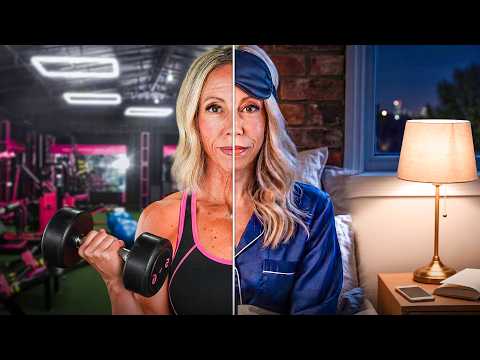 11 min
Bedtime Routine for Fat Loss and Hormones After 50
Video · Jun 4, 2026