

From 3 videos
How often should women over 40 train arms?
Answered by Nikkiey Stott and WarriorBabe's coaches · Updated
The short answer
Nikkiey recommends training arms two to three times a week as part of a full body or upper body split, with no separate arm day needed. Elsewhere, one WarriorBabe coach frames it as one to two focused arm sessions with real intensity. Either way, daily light arm work is out. Muscles grow when they recover.
Hear it answered
Tap play to start right where it's answered. It keeps playing while you browse.
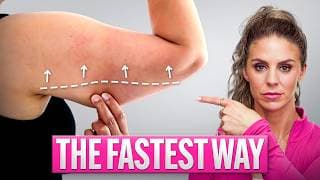
Nikkiey on training arms two to three times a week, sets, reps and rest
Plays from 10:55 · Video: How to Get Rid of Bat Wings After 40: Nutrition and Triceps
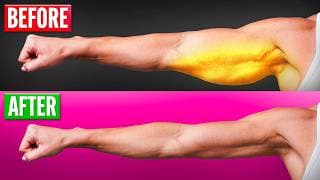
Why daily arm work backfires and one to two intense sessions work better
Plays from 5:58 · Video: How to Get Rid of Batwings After 40: 2 Exercises
Two to three workouts a week is enough, with light weights that progress
Plays from 6:30 · Video: How to Get Rid of Batwings After 40: 2 Exercises
Why more arm workouts won't reveal muscle without dialed-in nutrition
Plays from 1:19 · Video: How to Get Rid of Bat Wings After 40: Nutrition and Triceps
The full answer
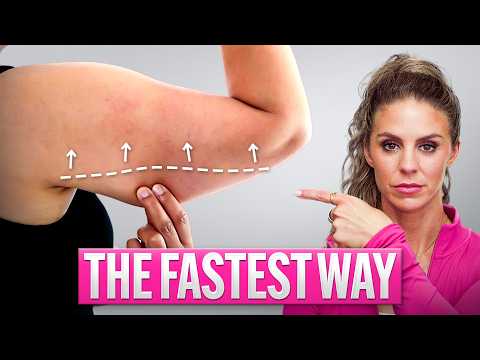
Across WarriorBabe videos, the coaches give slightly different numbers that point to the same idea. In the bat wings nutrition and triceps video, Nikkiey says arms should be trained two to three times per week as part of a full body or upper body split. In the two-exercise bat wings video, the coach says working arms one to two times a week with real intensity beats light arm work every day, and that two to three workouts a week overall is enough. The common thread is a few hard, well-recovered sessions, not more frequency.
For the sessions themselves, Nikkiey suggests:
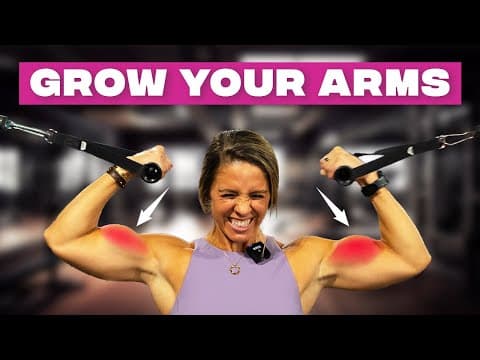
In the dumbbell and cable arm workout, each exercise is done for three sets of 10, and the coach encourages women to challenge themselves with heavier weight than they think they can handle.
- Three to four sets per exercise, usually 8 to 15 reps depending on the movement
- 45 to 75 seconds of rest, so you recover but keep intensity high
- Controlled reps over ego lifting, with elbows and upper arms kept still on triceps work
- Progression over time; light weights are fine to start as long as you keep progressing
Frequency is only part of it. Nikkiey explains that bat wings come from a mix of upper arm body fat, lost triceps muscle and changes in skin elasticity, and arm exercises alone cannot fix all three. The biggest mistake she sees is women doing arm workouts multiple times a week while under-eating, not tracking protein or not being in a proper calorie deficit, so the muscle never gets revealed. A tip from her pro bodybuilding days: consistency beats intensity. Showing up week after week, training progressively and fueling properly is what changes your arms, not random hard workouts. If your arms have not changed, the problem has likely been the plan, not your effort.
From WarriorBabe's coaches (how we write our answers). For education, not medical advice: talk to your doctor about your own health.
Women also ask
More on How to Get Toned →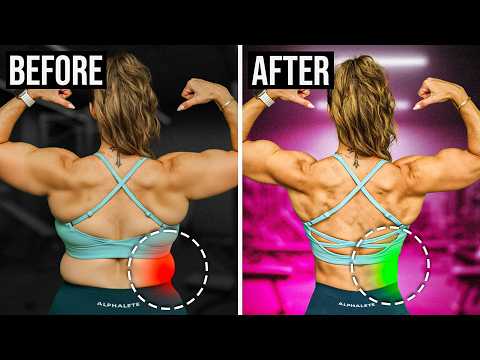
How to Get Toned
Will lifting weights give me bulky arms?
No. WarriorBabe's coaches explain that women don't have the testosterone levels to accidentally build huge muscles, and after 40, declining testosterone makes building muscle harder, not easier. What lifting gives you is firm, defined arms. Muscle creates tone, not size, and arms that get no training tend to lose shape and look soft.
Read the answer →
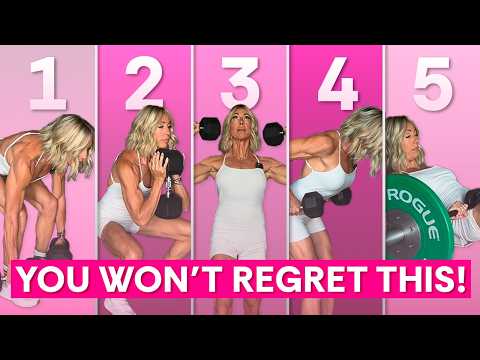
How to Get Toned
How do I get rid of bat wings after 40?
Bat wings shrink when you lose body fat and build real triceps and shoulder muscle, not when you add more light arm exercises. Nikkiey explains that bat wings combine excess upper-arm fat, lost triceps muscle and reduced skin elasticity. Nutrition comes first, then challenging strength training reveals and shapes the arm.
Read the answer →
How to Get Toned
Can strength training tighten loose skin on my arms?
Strength training can make loose arm skin look noticeably tighter, even though it can't change your genetics. Nikkiey explains that skin elasticity is partially genetic, but building muscle underneath loose skin dramatically improves its appearance, giving the skin something to hold on to instead of hanging loose. Pair it with fat loss through proper macros.
Read the answer →
How to Get Toned
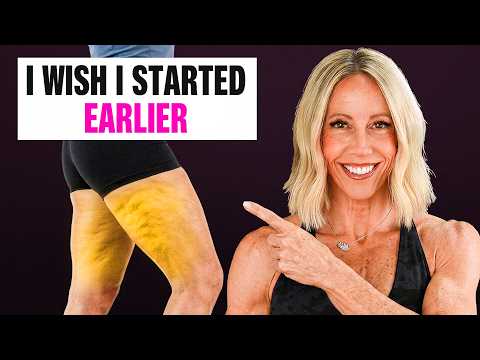
Can you spot reduce fat with targeted exercises?
No. WarriorBabe's coaches are clear that you can't target fat loss to one area. Planks won't burn belly fat and tricep work won't burn arm fat on their own. What works is training your whole body, especially with compound lifts, and eating enough protein to build muscle while you lose fat overall.
Read the answer →
How to Get Toned
What body fat percentage do I need to see muscle definition?
Nikkiey says that for most women, visible arm definition starts showing around 22-25% body fat or lower. At 30-35%, the muscle is there but buried under fat, so no amount of tricep work will reveal it. Getting there takes a fat loss phase that preserves muscle, plus strength training to build what's underneath.
Read the answer →
How to Get Toned
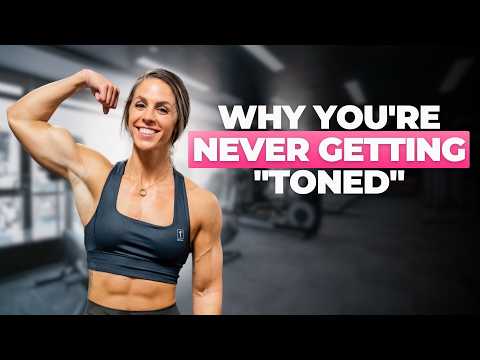
What does toned actually mean?
Toned means you have developed, defined muscle and body fat low enough for that muscle to show. Nikkiey explains it isn't a scientific term but a marketing one. Physically it is just muscle plus leanness, so getting there takes strength training to build muscle and nutrition that lowers body fat, not chasing a lower number on the scale.
Read the answer →
Watch or listen in full
More on this topic →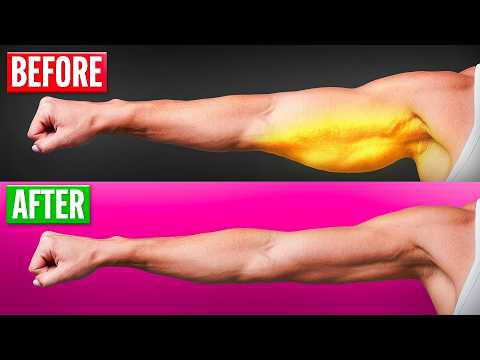 8 min
How to Get Rid of Batwings After 40: 2 Exercises
Video · Mar 14, 2026
 13 min
How to Get Rid of Bat Wings After 40: Nutrition and Triceps
Video · May 15, 2026
 7 min
Dumbbell and Cable Arm Workout for Women Over 40
Video · Nov 5, 2023