

From 3 videos
Do fat burner supplements help with menopause weight gain?
Answered by Nikkiey Stott and WarriorBabe's coaches · Updated
The short answer
Not according to The WarriorBabe Show. Nikkiey Stott won't recommend fat burners, and one WarriorBabe coach calls fat-burning teas and supplements mostly marketing with little science behind them. What the show says actually moves menopause weight gain is strength training, enough protein, daily movement and sleep, done consistently week after week.
Hear it answered
Tap play to start right where it's answered. It keeps playing while you browse.

A coach lists waist trainers, low-calorie diets and fat-burning teas as hype
Plays from 5:39 · Video: Menopause Metabolism Boosters: What Works and What's Hype

Nikkiey on why she won't recommend any fat burner supplement
Plays from 22:22 · Video: Hungry on Your Macros and Belly Fat Won't Budge? Q&A
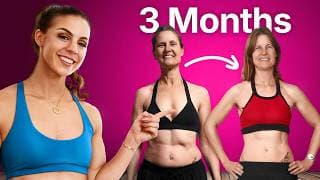
Why quick fixes like fat burners can slow your metabolism further
Plays from 3:19 · Video: 5 Ways to Speed Up a Slow Metabolism After 40
Strength training as the real metabolism booster in menopause
Plays from 0:35 · Video: Menopause Metabolism Boosters: What Works and What's Hype
The full answer
If you've bought the pills, the teas or the powders and the scale didn't move, that isn't a failure on your part. The show's position is that the product was never the plan. When a listener asked which fat burner to take during a cut, Nikkiey's answer was a flat no. She says your best fat burner is doing the workouts and the cardio consistently, week after week. She also says she won't put her name behind a supplement unless it's free of chemicals and ingredients you can't pronounce.
One WarriorBabe coach puts fat-burning teas and supplements in the hype category, alongside waist trainers, which she says don't burn fat or change your shape long term. In another episode, a coach groups fat-burning supplements with keto and fasting as quick fixes that aren't sustainable and usually slow your metabolism down even more. There is some nuance. The same coach says caffeine can boost energy and fat oxidation, but calls the effect mild, something for fine-tuning once the basics are in place.
The basics the show keeps coming back to:
- Strength train three to four times a week with full-body compound moves like squats, deadlifts, shoulder presses and push-ups, because muscle burns more at rest and women lose it after 40 unless they train.
- Eat enough protein; one coach suggests around one gram per pound of body weight, and Nikkiey gives a range of 0.8 to 1.2 times body weight, noting it also helps curb hunger.
- Move outside the gym, aiming for 8,000 to 10,000 steps a day.
- Protect recovery with seven to nine hours of sleep.
- Skip extreme low-calorie dieting, which the coach says tends to backfire.
If you're considering any supplement during menopause, especially alongside medications or a health condition, talk it through with your doctor first.
From WarriorBabe's coaches (how we write our answers). For education, not medical advice: talk to your doctor about your own health.
Women also ask
More on Supplements & Creatine →
Supplements & Creatine
How much creatine should a woman over 40 take?
Nikkiey recommends 3 to 5 grams of creatine monohydrate a day, roughly half a teaspoon, taken every day rather than only on training days. No loading phase and no cycling. She takes 5 grams each morning stirred into her coffee, and it mixes easily into water or a smoothie.
Read the answer →

Supplements & Creatine
What supplements should I take during menopause?
On The WarriorBabe Show, Dr. Stacy Sims says most women in perimenopause and menopause benefit from three supplements: omega-3s, vitamin D (especially postmenopause) and creatine monohydrate. She puts diet first and calls supplements the icing on the cake. They fill specific gaps and don't replace real food. Check with your doctor before starting anything new.
Read the answer →
Supplements & Creatine
Should I take a break from caffeine?
You don't have to. Nikkiey says a caffeine break is worth testing if you're drinking caffeine but still exhausted by the end of the day, foggy, or no longer getting the lift you used to. She tapered over two weeks, stayed off about five, saw her sleep and focus improve, then brought coffee back slowly.
Read the answer →
Supplements & Creatine
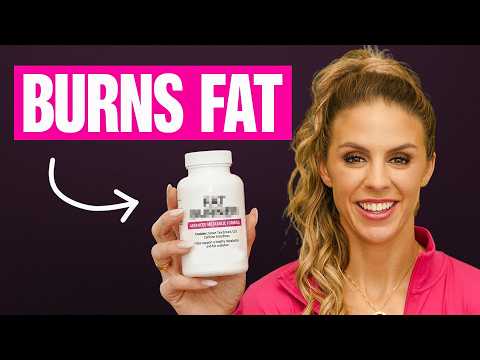
Which supplements are a waste of money?
One WarriorBabe coach names four supplements most women over 40 can skip: green powders, which are usually underdosed and don't replace real food; biotin, unless you actually have a deficiency; apple cider vinegar gummies, which she calls basically candy; and fat burners, which she says are mostly caffeine packaged differently. You don't need more supplements, just the right ones.
Read the answer →

Supplements & Creatine
Is creatine bad for your kidneys?
Not for healthy people, according to WarriorBabe's coaches. She explains that some studies have suggested long-term creatine use may affect the kidneys, but most have found it safe for healthy individuals, generally for up to five years. If you have existing kidney problems, she would not recommend it, and she says to check with your doctor first.
Read the answer →
Supplements & Creatine
What does creatine do for women?
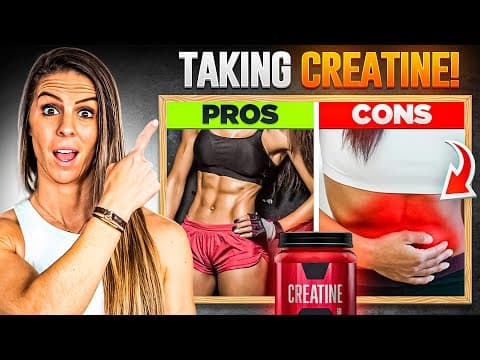
Creatine tops up an energy compound your muscles already make, so they can do more work with more immediate energy. On The WarriorBabe Show, it's linked to strength, power, muscle mass, recovery and brain function. It pulls water into muscle cells, which can add a few scale pounds, but it won't make you bulky.
Read the answer →
Watch or listen in full
More on this topic → 29 min
Hungry on Your Macros and Belly Fat Won't Budge? Q&A
Video · Oct 15, 2020
 4 min
5 Ways to Speed Up a Slow Metabolism After 40
Video · Mar 31, 2025
 7 min
Menopause Metabolism Boosters: What Works and What's Hype
Video · Dec 20, 2025