

The short answer
Muscle matters after 40 because it drives your metabolism and protects your long-term health. Nikkiey explains that women lose about 3 to 8 percent of muscle per decade after 30, and less muscle means a slower metabolism. She calls muscle the engine of your metabolism and, borrowing Dr. Gabrielle Lyon's phrase, the organ of longevity.
Hear it answered
Tap play to start right where it's answered. It keeps playing while you browse.
Nikkiey on muscle as your metabolic engine and why fat tissue just sits there
Plays from 6:17 · Ep. 386: Can't Lose Fat Over 40? Why Muscle Is the Missing Piece
Why losing 3-8% of muscle per decade slows your metabolism after 30
Plays from 4:17 · Ep. 301: Does Ozempic Cause Muscle Loss in Women Over 40?
Nikkiey explains why muscle is the organ of longevity
Plays from 2:47 · Ep. 52: Why Build Muscle After 40: Mistakes Women Should Avoid
Lessons from the ER: falls, broken hips and being under-muscled
Plays from 23:48 · Ep. 46: How to Stop Quitting Your Fitness Goals After 40
Four reasons to build muscle during menopause
Plays from 1:26 · Ep. 98: Why Build Muscle During Menopause? 4 Key Reasons
The full answer
Start with metabolism. On Ep. 386, Nikkiey says muscle is metabolically active and burns calories at rest, while sleeping, sitting at your desk or watching TV. Fat tissue just sits there. More muscle means a higher resting metabolic rate, so fat loss gets easier and so does keeping it off. A woman with more muscle can eat more food. Her blunt version: you don't have a fat loss problem, you have a muscle problem. On Ep. 301 she adds that muscle shapes how efficiently you burn fat, how you balance blood sugar and even how regulated your hormones are. If dieting harder hasn't worked, the missing piece may be the muscle, not your effort.
Then there's longevity. On Ep. 52, Nikkiey says building muscle helps you withstand a fall and lowers the risk of chronic diseases that may run in your family. On Ep. 46 she draws on her years in long-term care and the emergency room, where she saw people over 65 break a hip and often never walk again. Her takeaway: we're not over fat, we're under muscled.
Muscle also matters for what midlife brings:
- Ep. 98 frames strength training and good nutrition as a way to counter hormone-related muscle and bone loss in menopause, support mental wellness and raise your metabolic rate.
- On Ep. 175, Nikkiey says weight-bearing exercise is critical for bone density and helps prevent osteoporosis and fractures as you age, and that lifting boosts mood and confidence.
- On Ep. 301 she describes the weakness, fatigue, achy joints and stuck feeling many women blame on aging, and calls it under-muscling instead.
That same episode looks at GLP-1 medications. Nikkiey's view is that when appetite drops and a woman eats very little, muscle can become the first casualty, so protecting it is part of the conversation. If you're considering one of these drugs, work through that with your doctor.
From WarriorBabe's coaches (how we write our answers). For education, not medical advice: talk to your doctor about your own health.
Women also ask
More on Building Muscle After 40 →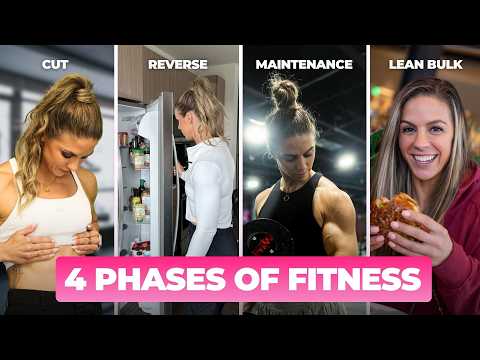
Building Muscle After 40
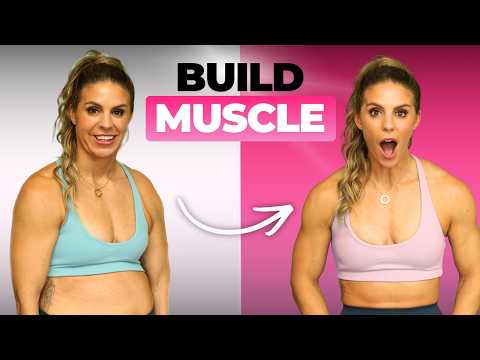
Why does the scale go up during a muscle-building phase?
The scale goes up during a muscle-building phase because you're eating more food, and food has weight. The extra carbs are stored as glycogen, which holds about three to four grams of water per gram. You're also adding muscle, and Nikkiey says a small amount of fat comes with it. That is normal and expected.
Read the answer →
Building Muscle After 40
What is sarcopenia?
Sarcopenia is the age-related loss of muscle mass. On Ep. 337, Nikkiey explains it starts in your 30s, not your 60s, then accelerates in your 40s and again in your 50s and beyond. Left unchecked, she says women lose 3-8% of muscle per decade from age 30, and faster after 40.
Read the answer →

Building Muscle After 40
Can I build muscle in a calorie deficit?
Yes, you can build some muscle in a calorie deficit, especially if you're newer to strength training or have more fat to lose, but not as much as at maintenance or in a surplus. Nikkiey explains that a modest deficit, enough protein and a real lifting program work. Crash-level calories like 1,200 don't.
Read the answer →
Building Muscle After 40
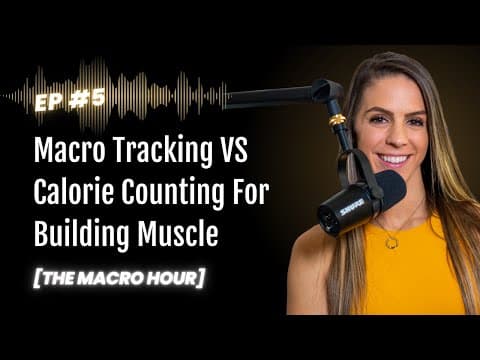
Do I have to track macros to build muscle?
No. Nikkiey says you don't have to track macros to build muscle, but you do have to eat more protein, because you cannot build what you cannot fuel. Tracking is the more precise tool: on Ep. 5 she explains it beats calorie counting alone because it shows the balance of protein, carbs and fats.
Read the answer →
Building Muscle After 40
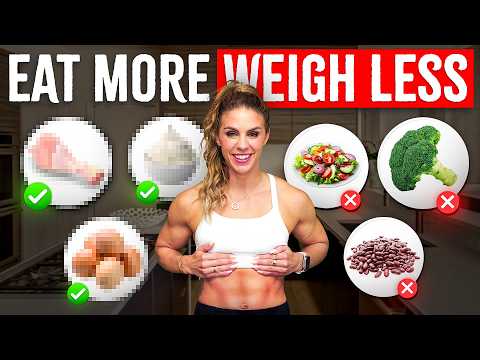
Do women over 40 need carbs to build muscle?
Yes. Nikkiey Stott says carbohydrates are a key macronutrient for building and repairing muscle and fueling hard workouts. Cutting them too low doesn't burn more fat. It drains your energy, hurts your recovery and makes your training suffer. She says keto and low-carb plans tend to bring short-lived results before the weight comes back.
Read the answer →
Building Muscle After 40
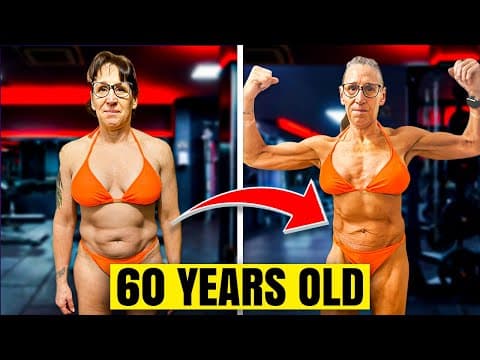
Can you build muscle in your 60s?
Yes, you can build muscle in your 60s. On The WarriorBabe Show, Nikkiey shares clients who did it. Cheryl added muscle and lost fat between 57 and 60, Sandra hit 90-pound lunges at 61, and Michelle got stronger at 67. Nikkiey says it took hard work, consistency and patience, with no special circumstances.
Read the answer →
Watch or listen in full
More on this topic →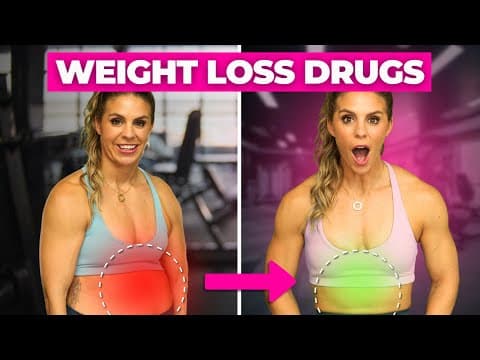 31 min
Does Ozempic Cause Muscle Loss in Women Over 40?
Episode 301 · Oct 10, 2025
 22 min
Can't Lose Fat Over 40? Why Muscle Is the Missing Piece
Episode 386 · Aug 10, 2026
 31 min
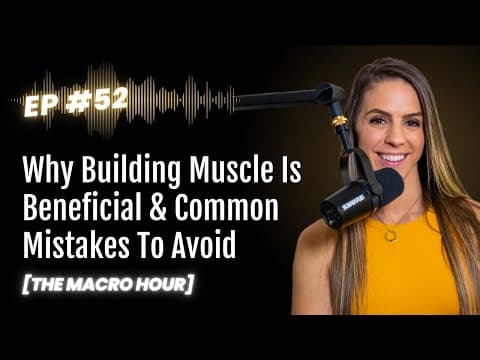
Why Build Muscle After 40: Mistakes Women Should Avoid
Episode 52 · May 8, 2023