

From 1 episode and 1 video
What causes emotional eating?
Answered by Nikkiey Stott and her guests · Updated
The short answer
Emotional eating starts with an emotion that creates a feeling, and that feeling drives the action of eating, Nikkiey explains. Triggers can be negative, like stress, sadness or pressure, or positive, like birthdays and holidays. It's a learned coping strategy your brain built because food really does bring short-term comfort, and most of it happens unconsciously.
Hear Nikkiey answer it
Tap play to start right where it's answered. It keeps playing while you browse.

Nikkiey on how stress and celebrations both trigger emotional eating
Plays from 14:25 · Video: How to Find the Triggers Behind Your Diet Setbacks
Why emotional eating is a learned coping strategy, not weakness
Plays from 15:51 · Ep. 353: Why Can't I Stop Eating? Emotional vs Impulse Eating
How unconscious emotions turn into eating, and using a journal to catch them
Plays from 15:53 · Video: How to Find the Triggers Behind Your Diet Setbacks
When emotional and impulse eating overlap, and how to tell which is yours
Plays from 26:17 · Ep. 353: Why Can't I Stop Eating? Emotional vs Impulse Eating
The full answer
In her video on the triggers behind diet setbacks, Nikkiey puts the chain simply: emotions create feelings, feelings create actions, and those actions are usually eating. Stress is a big one. Work, home and kids pile up, and you find yourself in the kitchen snacking without knowing how you got there. But triggers swing both ways. Accomplishments, celebrations, birthdays and holidays put you in social situations with food, and you just eat. She adds that about 95% of our actions are unconscious, which is why it can feel like it happens to you rather than something you choose.
On Ep. 353, Nikkiey goes deeper. Emotional eating is not a character flaw or a sign you're weak, whatever social media captions say. It's a coping strategy your brain learned, probably a long time ago, because it worked. Food activates the brain's reward system and provides comfort, and for many of us it was comfort before we had words for what we felt. Think of a baby who cries and gets the bottle. The issue isn't using food for comfort sometimes. It's when food is your only tool for every hard moment because nothing else is in the toolkit.
She also points out that emotional and impulse eating can overlap. You might be an automatic, habit-driven impulse eater most of the time, with the habit getting louder under emotional stress. Or you might eat emotionally only in high-stress seasons and feel neutral about food otherwise. Knowing which pattern is dominant, and where each shows up, is the starting point, because you can't fix what you haven't correctly diagnosed.
To find your own causes, Nikkiey suggests:
- Keeping a journal and writing down what happened when a trigger hits
- Using a triggers worksheet: which places, people, situations and internal dialogue push you off course
- Treating every unplanned eating moment as data, not a reason for self-criticism
From Nikkiey Stott and WarriorBabe's coaching. For education, not medical advice: talk to your doctor about your own health.
Women also ask
More questions →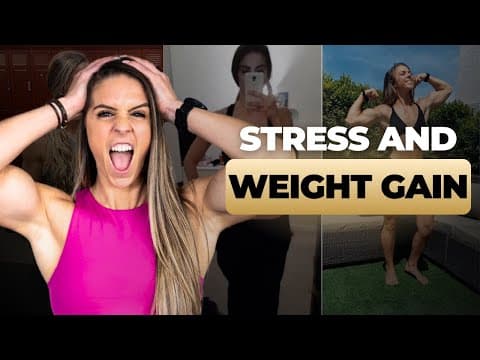
Food Noise, Cravings & Overeating
How do I stop emotional eating?
Start by catching the moment: before you eat, ask whether you're hungry, bored or stressed. If you're hungry, eat a proper meal. If it's emotion, Nikkiey suggests a walk, deep breathing, talking it out or journaling instead. Structure helps too: knowing exactly what you'll eat each day keeps food as fuel, not a fix.
Read the answer →

Food Noise, Cravings & Overeating
How do I stop snacking at night in front of the TV?
Change the setup instead of trying harder. Nikkiey's approach is to eat a high-protein dinner late enough that you aren't genuinely hungry when you sit down, keep trigger foods out of the house, and change what you do on the couch. When the urge hits anyway, pause and ask whether you're hungry or just bored.
Read the answer →

Food Noise, Cravings & Overeating
Why do I get cravings at night?
According to Nikkiey, night cravings usually mean you under-fueled during the day, most often by not eating enough protein. She says it's rarely a willpower problem. Skimp on protein and overall food, and your hunger and blood sugar get out of balance, so by evening your body is asking for everything at once.
Read the answer →
Watch or listen in full
More on this topic → 27 min
How to Find the Triggers Behind Your Diet Setbacks
Video · Nov 30, 2020
 31 min
Why Can't I Stop Eating? Emotional vs Impulse Eating
Episode 353 · Apr 17, 2026