

The short answer
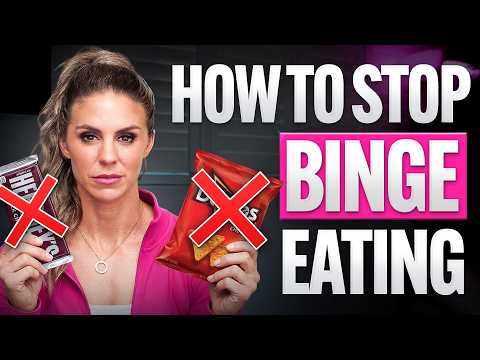
Start by catching the moment: before you eat, ask whether you're hungry, bored or stressed. If you're hungry, eat a proper meal. If it's emotion, Nikkiey suggests a walk, deep breathing, talking it out or journaling instead. Structure helps too: knowing exactly what you'll eat each day keeps food as fuel, not a fix.
Hear it answered
Tap play to start right where it's answered. It keeps playing while you browse.
Nikkiey's in-the-moment check: hungry, bored or stressed, and what to do next
Plays from 20:45 · Ep. 186: How Stress and Cortisol Cause Belly Fat After 40
The questions that tell you if it's emotional eating or impulse eating
Plays from 10:57 · Ep. 353: Why Can't I Stop Eating? Emotional vs Impulse Eating
What to do instead of eating: talk it out, journal, breathe or walk
Plays from 20:07 · Ep. 99: How to Stop Impulse Eating: 5 Strategies for Women Over 40
Carrie on grieving without eating her feelings, and the systems behind it
Plays from 22:58 · Ep. 177: How to Stop Emotional Eating and Lose Weight After 50
Why stress cravings aren't a willpower problem
Plays from 7:38 · Ep. 237: How Stress Stops Fat Loss After 40 and What to Do
The full answer
First, drop the idea that this is a character flaw. On Ep. 237, Nikkiey says stress cravings aren't about willpower. High stress drives cravings for quick energy from sugar and processed foods, and she describes it as cortisol being in control. On Ep. 353 she adds that emotional eating is a coping mechanism. It exists because it works, at least temporarily, which is exactly why it sticks.
Next, make sure it's actually emotional eating. On Ep. 353, Nikkiey separates it from impulse eating, where the food comes first because it's there. Ask yourself:
Emotional eating usually has a feeling you can name and brings some relief. Impulse eating feels neutral and automatic, and changing your environment is the bigger lever.
- What happened right before I ate?
- What was I feeling when I started?
- Did eating make the feeling better, even briefly?
When the urge hits, Nikkiey's tools on Ep. 186 and Ep. 99 are simple:
- Pause and ask: hungry, bored or stressed? If hungry, have a good, healthy meal.
- If it's stress or boredom, go outside for a walk or try box breathing: four seconds in, hold four, out four, hold four, a few rounds.
- Talk to someone in your household to offload what you're feeling, or journal if no one is around.
- Eat slowly, without TV or your phone, and learn what real hunger cues feel like. Smaller meals through the day help with that.
The longer-term fix is structure. On Ep. 177, client Carrie went through a painful falling-out with a close family member and realized she never once thought about eating her feelings. She walked three or four times a day instead. She credits her morning systems and knowing exactly what she's eating each day, because food is for energy and life, not for tamping down feelings. On Ep. 191, Nikkiey also points to visualization and gratitude as ways to shift your emotional state so you're more likely to follow the plan you already made.
From WarriorBabe's coaches (how we write our answers). For education, not medical advice: talk to your doctor about your own health.
Women also ask
More on Food Noise, Cravings & Overeating →
Food Noise, Cravings & Overeating
What causes emotional eating?
Emotional eating starts with an emotion that creates a feeling, and that feeling drives the action of eating, Nikkiey explains. Triggers can be negative, like stress, sadness or pressure, or positive, like birthdays and holidays. It's a learned coping strategy your brain built because food really does bring short-term comfort, and most of it happens unconsciously.
Read the answer →
Food Noise, Cravings & Overeating
How do I stop impulse eating?
Stop impulse eating by building one habit at a time, not by trying harder. Nikkiey Stott works from five buckets: mindful eating, structured meal and snack times, environment control, emotional awareness and self-compassion. Start with a pattern interrupt: before you grab food, ask why you want it, and whether you're hungry, stressed or bored.
Read the answer →

Food Noise, Cravings & Overeating
How do I stop snacking at night in front of the TV?
Change the setup instead of trying harder. Nikkiey's approach is to eat a high-protein dinner late enough that you aren't genuinely hungry when you sit down, keep trigger foods out of the house, and change what you do on the couch. When the urge hits anyway, pause and ask whether you're hungry or just bored.
Read the answer →
Food Noise, Cravings & Overeating
What is the difference between hunger and a craving?
Hunger is a general need to eat, like needing a meal, and it builds gradually with physical cues such as a rumbling stomach. A craving is an intense desire for one specific food, like chips, ice cream, pizza or chocolate. Nikkiey explains cravings often hit fast and are frequently driven by stress, boredom or even celebration.
Read the answer →
Food Noise, Cravings & Overeating
Why am I always hungry?
Constant hunger usually means your body is underfed or unbalanced, not that you lack willpower. Nikkiey points to three common causes: too little protein, blood sugar swings from fast-digesting carbs eaten on their own, and simply not eating enough overall. Small hunger cues are normal; feeling starving all day is a signal to change the plan.
Read the answer →

Food Noise, Cravings & Overeating
Why do I get cravings at night?
According to Nikkiey, night cravings usually mean you under-fueled during the day, most often by not eating enough protein. She says it's rarely a willpower problem. Skimp on protein and overall food, and your hunger and blood sugar get out of balance, so by evening your body is asking for everything at once.
Read the answer →
Watch or listen in full
More on this topic → 29 min
How Stress Stops Fat Loss After 40 and What to Do
Episode 237 · Feb 28, 2025
 29 min
How to Stop Impulse Eating: 5 Strategies for Women Over 40
Episode 99 · Oct 9, 2023
 31 min
Why Can't I Stop Eating? Emotional vs Impulse Eating
Episode 353 · Apr 17, 2026