

The short answer
Constant hunger usually means your body is underfed or unbalanced, not that you lack willpower. Nikkiey points to three common causes: too little protein, blood sugar swings from fast-digesting carbs eaten on their own, and simply not eating enough overall. Small hunger cues are normal; feeling starving all day is a signal to change the plan.
Hear it answered
Tap play to start right where it's answered. It keeps playing while you browse.
Nikkiey on why chronic all-day hunger is a red flag, not a willpower problem
Plays from 2:21 · Ep. 262: Why Am I Always Hungry? How to Fix Constant Hunger
How fruit-and-toast breakfasts put you on the blood sugar roller coaster
Plays from 9:52 · Ep. 262: Why Am I Always Hungry? How to Fix Constant Hunger
Why you're hungry an hour after sushi, and how protein quiets hunger hormones
Plays from 10:03 · Ep. 379: Do Macros Work If You Overeat? How to Break the Cycle
Why some hunger when cutting calories is a sign of a healthy metabolism
Plays from 7:58 · Ep. 111: Best Fitness Mindset Advice for Women Over 40
Low protein plus refined carbs: why you're hungry by the end of the day
Plays from 13:41 · Ep. 227: Do Carbs Make You Fat? Weight Loss Myths for Women Over 40
The full answer
On Ep. 262, Nikkiey is clear that hunger itself isn't the problem. Chronic, all-day hunger is. She calls it a red flag that your body isn't getting the nutrients or macros it needs. The fix is not more willpower or eating even less. If you're living off salads and eating like a bird, that may be exactly why you're starving.
Protein and blood sugar are the two big levers. Nikkiey explains that fast-digesting carbs eaten alone, such as fruit and toast for breakfast or a muffin grabbed on the go, spike your blood sugar. It then crashes, leaving you ravenous, cranky and snacky. On Ep. 379 she uses sushi as the example: mostly carbs and fats with little protein, so you're hungry an hour later. She says protein is the macro that most powerfully suppresses ghrelin, the hunger hormone, so without enough of it your fullness signals stay quiet.
What she recommends:
- Build every meal around protein, then add veggies, whole grains and healthy fats like avocado, nuts, seeds and olive oil.
- Choose complex carbs most of the time, and pair any simple carb with protein and fat. On Ep. 227 she says pastries and white bread can still fit; she follows roughly an 80/20 or 90/10 approach.
- Make sure you're eating enough. She sees many women logging only 1,000 to 1,200 calories a day.
There is nuance here. Some hunger is normal. On Ep. 111, Nikkiey says feeling hungry when you lower calories is a sign of a healthy, strong metabolism, and getting no hunger cues at all means something is off. On Ep. 262 she adds that small cues through the day are fine, but feeling starving every day means you're not eating enough and can even contribute to a plateau. For under-eaters, the answer is often eating a little more than you have been.
From WarriorBabe's coaches (how we write our answers). For education, not medical advice: talk to your doctor about your own health.
Women also ask
More on Food Noise, Cravings & Overeating →
Food Noise, Cravings & Overeating
How do I stop snacking at night in front of the TV?
Change the setup instead of trying harder. Nikkiey's approach is to eat a high-protein dinner late enough that you aren't genuinely hungry when you sit down, keep trigger foods out of the house, and change what you do on the couch. When the urge hits anyway, pause and ask whether you're hungry or just bored.
Read the answer →

Food Noise, Cravings & Overeating
Why do I think about food all the time?
Most often, it's because you're not eating enough. Nikkiey Stott explains that when your body senses too few calories or too little protein, hunger signals like ghrelin get louder and more intrusive. She calls this food noise and stresses it's a signal from your body, not a character flaw. Years of diet rules can also blur your hunger cues.
Read the answer →

Food Noise, Cravings & Overeating
Do sugar cravings ever go away?
For many women, yes, they fade a lot. On The WarriorBabe Show, Nikkiey and her clients describe daily sugar cravings dropping once they ate enough, especially protein, and cut back on sugar over time. Sweets don't have to disappear. They stop running the show, so you can enjoy them in balance.
Read the answer →

Food Noise, Cravings & Overeating
Should I cut out the foods I crave completely?
No. Nikkiey Stott says cutting out the foods you crave usually backfires: the more you forbid a food, the louder it gets, until you eat it anyway and spiral. Instead, she recommends planning those foods into your plan in moderation, so they lose their power and you can enjoy them without guilt or losing progress.
Read the answer →
Food Noise, Cravings & Overeating
What is the difference between a food habit and a food addiction?
A food habit is something you repeat automatically without thinking, like Nikkiey's late-night McDonald's stop after ER shifts. A food addiction, as she explains on Ep. 19, is a physical or psychological dependence on a food such as sugar or processed carbs, which can bring intense cravings, irritability and fatigue when you cut back.
Read the answer →

Food Noise, Cravings & Overeating
Why do I get cravings at night?
According to Nikkiey, night cravings usually mean you under-fueled during the day, most often by not eating enough protein. She says it's rarely a willpower problem. Skimp on protein and overall food, and your hunger and blood sugar get out of balance, so by evening your body is asking for everything at once.
Read the answer →
Watch or listen in full
More on this topic →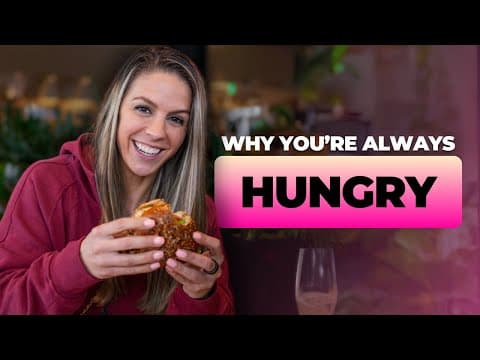 19 min
Why Am I Always Hungry? How to Fix Constant Hunger
Episode 262 · May 26, 2025
 29 min
Do Macros Work If You Overeat? How to Break the Cycle
Episode 379 · Jul 17, 2026
 26 min
Do Carbs Make You Fat? Weight Loss Myths for Women Over 40
Episode 227 · Jan 24, 2025