

From 1 video
Should I eat the BMR number a calculator gives me to lose weight?
Answered by Nikkiey Stott · Updated
The short answer
No. Nikkiey Stott explains that your BMR is only what your body burns at rest: sitting, talking and breathing. Walking, workouts and daily movement add to that and can push your real needs well above it. Instead of eating your BMR, she says to follow the WarriorBabe calculator, which accounts for your activity and your goal.
Hear it answered
Tap play to start right where it's answered. It keeps playing while you browse.

Nikkiey on why BMR is only your resting burn, not your daily calorie target
Plays from 11:24 · Video: Light Dumbbells, Slow Tempo and Fasted Cardio: A Q&A
Nikkiey on trusting the WarriorBabe calculator over a BMR test result
Plays from 12:30 · Video: Light Dumbbells, Slow Tempo and Fasted Cardio: A Q&A
Nikkiey on what to check first when you're hungry all the time on your macros
Plays from 36:43 · Video: Light Dumbbells, Slow Tempo and Fasted Cardio: A Q&A
The full answer
When a woman told Nikkiey her BMR had been tested twice at 1,100 calories and asked if she should adjust anything, Nikkiey's point was that BMR is only the starting line. It is what you burn just being alive. On top of that comes your expenditure: how much you walk, how much you work out and how much energy you spend through the day. She notes that this can naturally take your daily needs up to 1,600, 1,700, 1,800, 1,900 or even 2,000 calories, depending on how active you are.
That is why the WarriorBabe quiz asks whether you are sedentary, moderately active or active. Your answer shapes the calorie level you would maintain at. From there, the calculator adjusts based on the goal you choose:
- Choosing a tone and shape goal puts you in a calorie deficit so you start seeing results.
- Choosing to maintain and build keeps you at the maintenance level the calculator sets for your activity.
So if you have been eating at or near your BMR and wondering why it feels so hard, the number may not match how you actually live. Nikkiey's answer is plain: follow the calculator. She built it around the questions women in her coaching kept asking, so the plan fits you rather than you forcing yourself into a number that ignores your activity.
In the same Q&A she also takes a question from a woman who felt hungry all the time on her macros. Her first step was to check which goal those macros were set for, a reminder that hunger is worth paying attention to and that the right setting matters.
From WarriorBabe's coaches (how we write our answers). For education, not medical advice: talk to your doctor about your own health.
Part of
Metabolism, Eating More & Reverse Dieting →Women also ask
More questions →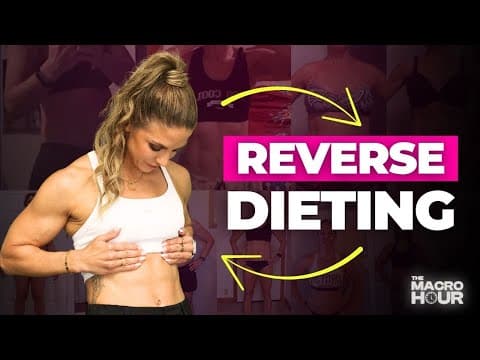
Metabolism, Eating More & Reverse Dieting
Will I gain weight when I start eating more?
Probably a little, and that's expected. Nikkiey explains that when you start eating more during a retrain or reverse diet, your weight will usually fluctuate about two to five pounds from water, glycogen, food volume and salt, not fat. If the gain keeps climbing or holds around five pounds, the increase was likely too fast.
Read the answer →

Metabolism, Eating More & Reverse Dieting
Can you lose weight by eating more?
Yes, according to The WarriorBabe Show. Nikkiey says almost every WarriorBabe success story involves eating more food, and members like Amy, Debbie, Lisa and Erin lost weight after raising their calories from chronic lows. The key, she explains, is eating enough to fuel strength training and build muscle, which is active tissue that burns calories even at rest.
Read the answer →
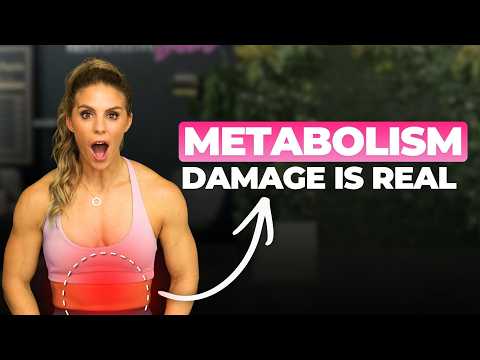
Metabolism, Eating More & Reverse Dieting
How long does it take to repair your metabolism?
It depends on how adapted your metabolism is. Nikkiey's ranges: about six to 12 weeks for mild adaptation after a few months of moderate dieting, closer to three months after a year or more of restriction, and six months to a year after many years of chronic dieting. Your body's response sets the timeline, not a calendar.
Read the answer →
Watch or listen in full
More on this topic → 40 min
Light Dumbbells, Slow Tempo and Fasted Cardio: A Q&A
Video · Jun 11, 2020