

Chapters
In this video
If you've tried keto, intermittent fasting, OMAD, 1200 calories or plant-based and none of them delivered what you were promised, this video explains why. Nikkiey Stott ranks six of the most popular weight loss methods from worst to best for women over 40. She scores each one out of 10 on three things: whether it preserves your muscle, what it does to cortisol and insulin, and whether you can actually sustain it.
OMAD comes in last at 7 out of 30, followed by 1200-calorie restriction at 9, keto at 14, intermittent fasting at 15 and plant-based at 17. Nikkiey explains where each one falls short, most often on protein and on stacking stress onto a body whose cortisol is already running hotter in perimenopause and menopause. She shares what changed for real WarriorBabe clients when they spread their food across the day and got their protein up.
The top score, 27 out of 30, goes to macro-based nutrition paired with strength training. That means a protein target built into every meal, lifting three to four days a week, and eating enough that your body stops defending against starvation. Stories from Beth, who now eats more than double what she started at, and Kris, who spent 35 years on failed diets, show what that looks like in real life.
Key takeaways
- Spread your protein across three to four meals instead of one, because the video explains muscle can only use about 25 to 40 grams of protein at a time for muscle protein synthesis.
- At 1200 calories you can't realistically eat enough protein: 120 grams of protein is 480 calories, which leaves just 720 calories for everything else.
- Nikkiey explains that chronic under-eating raises cortisol, slows thyroid conversion of T4 to T3, drops leptin and can quietly cut 200 to 300 calories a day of unconscious movement.
- If you follow keto, check your protein, since standard keto templates often leave women at only 50 to 70 grams a day.
- If you do intermittent fasting, track your protein rather than the clock, because a shorter eating window often means eating less total protein.
- On a plant-based diet, aim to get protein above 100 grams, allow for lower bioavailability, consider eggs or fish if you're open to them, and plan every meal around protein first.
- Set a protein target of roughly 0.7 to 1 gram per pound of goal body weight and pair it with progressive resistance training three to four days a week.
- Keep it simple the way Beth does: bulk prep your protein, eat the same breakfast most days, and plan dinner first, then work backwards through your day.
Questions answered
Is OMAD a good way for women over 40 to lose weight?
Nikkiey ranks it last at 7 out of 30. She explains that one meal gives you one shot at muscle protein synthesis instead of three or four, that going 20-plus hours without food is a big cortisol trigger, and that almost no one can sustain it.
Why does a 1200-calorie diet stop working after 40?
According to the video, you can't eat enough protein at 1200 calories to keep your muscle, and chronic under-eating drives metabolic adaptation, including higher cortisol, lower thyroid output, lower leptin and less unconscious movement. When the weight loss stalls there is nowhere left to cut, and regain comes back to a body that burns fewer calories than before.
Is keto good for women in perimenopause or menopause?
Nikkiey says keto can improve insulin sensitivity in the short term, but in her view long-term carb restriction raises cortisol, which is already running hotter when estrogen isn't buffering it, and can suppress T4 to T3 conversion. Standard keto plans also tend to be low in protein, so she scores it 14 out of 30.
Does intermittent fasting work for women over 40?
Nikkiey points out that most intermittent fasting research was done on men or younger women. She sees it often working in a woman's late 30s and then hitting a wall when perimenopause or menopause intensifies, and she scores it 15 out of 30.
Can you get enough protein on a plant-based diet after 40?
It's possible but very difficult, according to the video, because plant proteins are less bioavailable and usually come with significant carbohydrates. WarriorBabe works with plant-based clients by aiming for over 100 grams of protein, supplementing strategically and planning every meal around protein first.
What is the best weight loss approach for women over 40?
In this ranking, macro-based nutrition plus strength training scores highest at 27 out of 30. It pairs a protein target of roughly 0.7 to 1 gram per pound of goal body weight with resistance training three to four days a week, eliminates no foods and uses no eating windows.
Ask Nikkiey
Questions this video helps answer, with what Nikkiey says across everything WarriorBabe teaches.
Protein for Women
Can you get enough protein on a plant-based diet after 40?
Yes, but it takes deliberate planning. On Ep. 34, Nikkiey says women build muscle on vegan and vegetarian diets as long as they hit their daily protein target. A WarriorBabe video adds that it's genuinely difficult. Plant protein is less bioavailable and often carb-heavy, so aim above 100 grams and build every meal around protein.
Read the answer →
Diets, Fasting & Diet Culture
Is keto good for women in perimenopause?
Not as a long-term plan, in Nikkiey's view. She says keto can improve insulin sensitivity in the short term, but chronic carb restriction can raise cortisol, which already runs hotter in perimenopause, may slow thyroid conversion, and usually skimps on protein. She scores it 14 out of 30 and prefers a higher-fat, protein-forward macro split.
Read the answer →
Diets, Fasting & Diet Culture
Is OMAD a good way for women over 40 to lose weight?
Nikkiey says no. In her ranking of six popular weight loss methods for women over 40, OMAD came last, scoring 7 out of 30. One meal gives you one shot at muscle protein synthesis instead of three or four, 20-plus hours without food is a big cortisol trigger, and almost no one can sustain it.
Read the answer →
Full transcript
Nikkiey: Keto, intermittent fasting, OMAD, calorie restriction, plant-based, low-carb. If you're a woman over 40, you've probably tried at least three of these. Maybe all of them. And if you're watching this video, I'm guessing none of them worked the way that you were promised.
I've coached over 100,000 women over 40, and I can tell you almost every single one tried multiple diets before they found WarriorBabe. Which means I've seen what every one of these approaches does to a woman's body after 40. Not in theory, not in a one-day experiment, but across thousands of women over months and years.
So today, I'm going to rank six of the most popular weight loss methods for women over 40, from worst to best. And I'm scoring each one on three things that actually matter for your body at this stage of life. Does it preserve your muscle? Because muscle is your metabolism, and after 40, you're already losing it. What does it do to your hormones, specifically cortisol and insulin? These two are what decide where body fat gets stored on your body. Can you actually sustain it? Because a diet that works for six weeks and then destroys you for another six months isn't a diet. It is a trap.
Each category is scored out of 10 for a total out of 30. And I'll tell you right now, the gap between the worst and the best is enormous. Some of these are actively making you worse. Let's start at the bottom.
If you've been doing OMAD, eating one single meal per day, I need you to hear this. For a woman over 40, this is one of the most damaging dietary approaches that you can choose. Here's why.
First, let's talk about what it does to your muscle. Your body needs protein distributed across the day to maintain muscle, not all at once. Research shows that your muscle can only use about 25 to 40 grams of protein at a time for muscle protein synthesis. Anything above that in a single sitting will get used for energy or other processes. It doesn't go toward building or maintaining muscle.
When you eat one meal a day, even if you hit your total protein target, which most OMAD women don't, you're getting one shot at muscle protein synthesis instead of three or four. That means accelerated muscle loss on top of the three to 8% per decade you're already losing naturally. And less muscle means a slower metabolism every single day. So muscle preservation on this one is a 2 out of 10.
Now the hormonal side. Going 20-plus hours without food is a massive cortisol trigger. Your body reads prolonged fasting as a threat. Cortisol rises, and after 40, with estrogen no longer buffering your stress response, that cortisol spike is bigger and longer than it would have been at 25. Elevated cortisol stores fat on your midsection. It breaks down muscle tissue and it disrupts your sleep, which raises your cortisol further the next day. It's a spiral.
I've had women come to WarriorBabe doing OMAD who were exhausted by 2pm, freezing cold, sleeping terribly, and gaining weight around their midsection despite eating almost nothing. Every one of those symptoms is a cortisol and metabolic adaptation response. So the hormonal impact on this one is a 2 out of 10.
And sustainability? Some women can push themselves through OMAD for a few weeks. Almost no one is able to sustain it. And when they stop, the weight comes right back faster because their metabolism has now downshifted during the restriction. The sustainability there is a 3 out of 10.
I've had women come to us doing OMAD for months who genuinely believed it was a lifestyle, not a diet. But their body told a different story. Exhausted by the afternoon, freezing cold because their thyroid had downregulated, sleeping terribly, and carrying more belly fat than when they started. When we spread that same food across 3 to 4 meals and set a protein target for each one, the energy came right back within 2 weeks, and their midsection started responding within a month. The food didn't change here. What did was the timing. And the hormones responded immediately.
So the total score here is a 7 out of 30. This is extreme restriction disguised as a lifestyle.
I could do an entire video on why eating 1200 calories is destroying women over 40. And I have. But here's the short version for this ranking.
Let's start with muscle. At 1200 calories, you cannot eat enough protein to maintain your muscle mass. It's mathematically almost impossible. Let's say you need 120 grams of protein a day, which most women over 40 do. That's 480 calories from protein alone, leaving you with just 720 calories for everything else. Nobody sustains that. So protein falls short and muscle loss accelerates. And remember, every pound of muscle you lose is a permanent reduction in your resting metabolic rate. You're literally dismantling the engine that burns fat. So muscle preservation here is a 2 out of 10.
Hormonally, everything I said about OMAD applies here, just stretched across the entire day instead of concentrated in a fasting window. Chronic under-eating elevates cortisol around the clock. Your thyroid downregulates, converting less T4 into the active T3 that drives your metabolic rate. Leptin drops, so your brain thinks your fuel reserves are critically low and responds by increasing hunger and reducing energy output.
Your body quietly starts moving less. Less fidgeting. Less walking. Sitting down sooner. You can lose 200 to 300 calories a day of unconscious movement without making a single decision about it. Researchers call it metabolic adaptation. It's your body protecting you from what it perceives as starvation. So the hormonal impact here is a 3 out of 10.
Now here's the thing about sustainability. Some women sustain this for months because it works on the scale initially, but the weight loss is a mix of fat, muscle, and water. And when it stalls, and it always stalls, there's nowhere left to cut. You're already at the floor. The weight regain after prolonged 1200-calorie restriction is nearly universal. And it comes back to a body that now burns fewer calories than before you started. That's why each attempt feels harder than the last. It is harder. Your metabolism is lower each time. So sustainability here is a 4 out of 10.
This is the one I see most. She walks in eating 1100 to 1200 calories, sometimes 900 calories a day. She's been doing it for years. She's exhausted. She's not sleeping. She's cold all the time. Her hair is thinning. And she can't focus at work. And she's convinced that if she just pushes a little bit harder, it'll finally work.
When I show her that her metabolism has adapted to survive on this intake, that her body is burning fewer calories than a body that size should be burning, the look on her face is always the same. It's not relief. It's grief. Because she's been pushing herself for years and nobody told her it was the punishment that was the problem.
So the total score here is a 9 out of 30. The most common trap dismantles your metabolism piece by piece, and each round makes the next one harder.
Now we're getting into the methods that have some legitimate benefits, but carry serious costs for women over 40 specifically. Keto is the most polarizing one on this list, so let me be precise.
Starting with muscle. Keto doesn't inherently destroy muscle the way extreme calorie restriction does, but it doesn't protect it either. Most keto plans don't emphasize protein enough. They emphasize fat. And when 70 to 80% of your calories come from fat, protein often falls to 50 to 70 grams a day, well below what a woman over 40 needs to maintain muscle. Some women do keto with adequate protein, and that's better, but the standard keto template most women follow is not protein-forward. So muscle preservation here is a 5 out of 10.
Hormonally, this is where keto gets complicated after 40. Short term, keto can improve insulin sensitivity. That's real and that's valuable. Reducing carbs reduces insulin spikes, which can help with fat storage. But long-term carb restriction elevates cortisol. Your brain runs on glucose, and when glucose is chronically low, your body produces cortisol to trigger a process that converts protein and fat into glucose. That's your stress hormone working overtime to keep your brain fueled.
Now, for a woman in perimenopause or menopause whose cortisol is already running hotter because estrogen isn't buffering it, adding chronic carb restriction on top is stacking stress on stress. The midsection fat that many keto women complain about after months on the diet, that's cortisol doing its job.
There's also a thyroid consideration here. Your thyroid needs some carbohydrate to convert T4 into the active T3 hormone. Chronic keto can suppress that conversion, which slows your metabolism, exactly what you're trying to avoid after 40. So the hormonal impact here is a 4 out of 10.
Sustainability is mixed. Some women genuinely love keto and sustain it for years, but the dropout rate is extremely high. Most research shows that after 12 months, the majority of people on keto have returned to their previous eating patterns. And if you haven't built muscle or addressed your metabolic rate during that time, you're back to square one with fewer tools. So the sustainability here is a 5 out of 10.
There was a client in WarriorBabe named Chris who tried keto on top of already training five or six days a week. CrossFit, dance fitness, all of it. She was burning over a thousand calories a day in exercise and then cutting her carbs on top of it. And she was getting puffier, more inflamed, more exhausted. She said she felt like, what's the point? That a healthy lifestyle must not be meant for her.
That's what keto does to a lot of women over 40. The initial insulin improvement is real, but the long-term cortisol cost catches up. And because keto doesn't emphasize protein, the muscle loss compounds the problem. She was doing more work and getting fewer results every month.
So the total score here is a 14 out of 30. Real short-term insulin benefits, but the long-term cortisol costs and protein neglect make it a losing trade for women over 40.
Intermittent fasting is tricky because there is research supporting it, just not for the population watching this video. Most intermittent fasting research was done on men or on younger women, and the hormonal environment of a woman over 40 is fundamentally different from both of those groups.
Let's look at muscle first. Same problem as OMAD, but less extreme. Having a 16-hour fasting window and an 8-hour eating window gives you two meals, maybe three, to distribute your protein. That's workable if you're intentional about it, but most women on IF aren't tracking their protein. They're tracking the clock. And the window restriction often means they eat less total food, including less protein, because they simply can't fit enough of it in. So muscle preservation here is a 5 out of 10.
The hormonal picture is more nuanced than OMAD. A 16-hour fast isn't as stressful as a 22-hour fast. But for a woman in menopause with already elevated cortisol, skipping breakfast and extending the overnight fast is still adding a stress signal to a system that's already stressed. A study in the journal Obesity found that time-restricted eating in women increased cortisol levels compared to regular meal timing, even when total calories were the same. The fasting itself was a stressor, independent of how much they actually ate.
There's also a blood sugar consideration here. Many women over 40 are dealing with some degree of insulin resistance. Starting your eating window at noon means that your first meal needs to handle 16 hours of fasting-related hormonal changes, and the blood sugar swing can be significant there. That spike and crash sets up cravings and energy dips for the rest of the day. So the hormonal impact here is a 5 out of 10.
IF is more sustainable than OMAD or extreme restriction. Some women genuinely find it simplifies their day. But the women I see who loved IF for 6 months and then hit a wall almost always hit that wall when perimenopause or menopause intensified. The approach that worked at 38 stopped working at 44 because the hormonal landscape changed. So the sustainability here is a 5 out of 10.
Here's a story for you. Beth told me that she was doing intermittent fasting before it even had a name. She just wasn't a morning person. She didn't eat breakfast, so she had an energy drink and water, and then had soup or yogurt at lunch. She did this for years while working a high-level corporate job. And she wasn't connecting the dots between that pattern and her declining energy, her poor sleep, and her body not changing despite staying active. She knew about nutrition. She literally worked for nutrition companies her entire career. But knowing and doing are two different things.
The pattern that I see over and over is that IF works in a woman's late 30s and early 40s, and then it stops. It stops right when perimenopause or menopause shifts the hormonal landscape. The same approach that simplified her mornings at 38 is spiking her cortisol at 48. And she doesn't know why it suddenly isn't working anymore.
So the total score here is a 15 out of 30. There are some benefits, but the research supporting it wasn't done on women your age, and the cortisol implications matter more than most IF advocates admit.
I want to be careful here, because eating more plants is genuinely good for you. The anti-inflammatory benefits of a plant-rich diet are well documented and especially valuable after 40, when systemic inflammation is rising. This is not an anti-vegetable ranking. This is about plant-based as a complete weight loss strategy for women over 40.
Let's start with a critical weakness: muscle. Getting adequate protein from exclusively plant-based sources is possible, but genuinely very difficult. Plant proteins are less bioavailable than animal proteins, and your body absorbs and uses a smaller percentage of what you eat. And most plant protein sources come packaged with significant carbohydrates, which means hitting your protein target without overshooting your calories is a constant balancing act.
A woman over 40 needs roughly 100 to 140 grams of protein per day, depending on her body weight. On a plant-based diet, that requires serious planning, serious supplementation, and a food volume that most women find overwhelming. The women I see who come from plant-based diets almost universally show the lowest protein intake of any dietary group, often 40 to 60 grams a day. And their muscle mass reflects it. So muscle preservation here is a 4 out of 10.
Now, here's where plant-based does earn its points. The anti-inflammatory compounds in vegetables, fruits, legumes, and whole grains genuinely help manage the systemic inflammation that drives insulin resistance and visceral fat storage after menopause. The fiber supports your gut health, which has a direct line to your inflammatory response. And the vegetables support estrogen metabolism. So if we were ranking purely on inflammation management, plant-based would be near the top. I want to give the hormonal impact here a 7 out of 10.
Sustainability is higher than restriction-based diets because it doesn't require calorie counting or deprivation. But the social and practical challenges are real: dining out, family meals, travel. And the protein challenge I described already makes it harder to maintain muscle mass over years, which creates a slow metabolic decline that eventually catches up. So the sustainability here is a 6 out of 10.
When a client comes to WarriorBabe committed to plant-based, I don't tell her to stop. We work with it. But we have an honest conversation about protein, because that's where plant-based falls apart for women over 40 if you're not intentional about it. We'll tell her, keep eating the plants, keep getting the anti-inflammatory benefits, but we need to find a way to get your protein above 100 grams. And we need to talk about bioavailability. Your body uses a smaller percentage of plant protein than animal protein, so you may need to eat more total protein to get the same muscle-preserving benefit. If she's open to adding eggs or fish, the protein problem gets much easier to solve. If she's fully plant-based, we supplement strategically and plan every meal around protein first.
So the total score here is a 17 out of 30. It's genuinely really good for inflammation, but the protein challenge creates a slow muscle loss problem that does catch up over years.
This is what we do inside of WarriorBabe, and I'm going to be transparent about that. But I want you to understand why it scores the highest, and not just take my word for it. Run it through the same three criteria.
First, muscle. This approach starts with a protein target based on your body, roughly 0.7 to 1 gram per pound of goal body weight. That's the non-negotiable foundation. Every meal is built around hitting that number. And it pairs that protein with progressive resistance training three to four days a week. You're not just preventing muscle loss. You're actively reversing it, building new lean tissue that raises your resting metabolic rate permanently.
No other approach on this list does both of those things. Keto doesn't emphasize protein enough. Intermittent fasting restricts your eating window, which restricts protein distribution. Plant-based makes protein targets extremely difficult. And calorie restriction actively destroys your muscle. This is the only approach that treats your muscle as the metabolic asset it is and feeds and trains it accordingly.
So why not a perfect score? Because individual results vary. Some women with significant metabolic damage need months of repair before they see the full muscle-building benefits. It works, but it's not instant. Muscle preservation is a 9 out of 10.
Hormonally, this is where the gap gets massive. Adequate calories, not restriction, so your body never enters famine mode. Cortisol stays regulated because you're not starving. Protein stabilizes blood sugar, which keeps your insulin in check. Strength training triggers growth hormone and testosterone, the two hormones that drive body recomposition, and both decline after 40. And because you're eating enough food with the right macro breakdown, your thyroid maintains normal T4 to T3 conversion. Your leptin stays at appropriate levels. Your body isn't defending against starvation. It's operating from a position of strength.
Every other diet on this list creates at least one significant hormonal cost. This one addresses the hormonal environment directly. Now, why not a 10? Because hormones are very complex and individual. Some women need HRT alongside this approach. Nutrition and training can't solve everything, and I won't pretend that they can. So hormonal impact, I'll give a 9 out of 10.
And sustainability? No foods are eliminated. No arbitrary eating windows. No six-week deadline. You eat real food in quantities that satisfy you, with a macro breakdown matched to your body. The women who struggle with sustainability here aren't struggling with food. They're struggling with unlearning the restriction mindset. After years of 1,200-calorie diets, eating 1,900 calories feels so wrong to them. That adjustment is real and it takes time. But once it clicks, once a woman realizes that she can eat more food than she's eaten in years and her body is actually changing, the sustainability problem disappears. Because for the first time, the approach doesn't feel like punishment.
Why not a 10? Because tracking macros requires some effort, especially at the start. It's not as simple as just eat clean or just skip breakfast. There is a learning curve to it. So sustainability, I'll give a 9 out of 10. The total score is a 27 out of 30.
Beth is 60 years old. She spent 40 years in corporate market research. She literally worked for nutrition companies, including Abbott Nutrition. She knew about macros. She knew about the 40-30-30 Zone Perfect split. She'd been surrounded by dietitians her entire career, and she never applied any of it to herself.
When she started with WarriorBabe, she was doing the same thing most women her age do. Low calorie, skipping breakfast, not enough protein, taking fitness classes five days a week. She was losing weight on the scale, but she was losing muscle with it. She got osteopenia, and she had a back injury from bending over to pick up a shoe in yoga class.
Six months in, she's eating 2,173 calories a day, more than double what she started at. 160 grams of protein, 218 grams of carbs, and she's lost 10 pounds and five inches. And she's still losing while eating more than she's eaten in decades.
Now, she recently tweaked her back again doing a cable pull-through in the gym, the same movement that would have put her on the couch for weeks a year ago. This time, she recovered in 48 to 72 hours with ice and proper nutrition. She said the difference was her nutrition and her mindset. She knew what to do instead of panicking in that situation.
That doesn't happen on any other approach on this list. You can't double your food on keto. You can't double your food on 1200 calories. You can't double your food doing OMAD. But when you repair your metabolism with the right macro targets and pair it with strength training, your body starts burning the way it was designed to.
And here's what a typical day looks like. Beth isn't doing anything complicated. She's not cooking five-course meals throughout her day. What she does do is bulk prep her protein. She has the same breakfast most days. And when she plans her dinner, she plans that first and then works backwards through her day. It's simple, it's sustainable. And she also told me, this is just so much fun.
So here is the complete picture. Number six, OMAD is a 7 out of 30. Number five, extreme calorie restriction is a 9 out of 30. Number four, keto is a 14 out of 30. Number three, intermittent fasting is a 15 out of 30. Number two, plant-based is a 17 out of 30. And number one, macro-based nutrition plus strength training is a 27 out of 30.
Now, I want to say something really important here. This ranking is specific to women over 40 dealing with hormonal changes, metabolic slowdown, and muscle loss. Some of these approaches work fine for other populations. Keto can work for younger women with different hormonal profiles. Intermittent fasting can work for men whose cortisol response isn't complicated by estrogen decline. This isn't a universal ranking. It's your ranking, for your body and your stage of life.
If you're watching this and you've tried three, four, five of these methods, I want you to hear something. You didn't fail those diets. Those diets failed you. They weren't designed for your body over 40. They weren't built around your hormones. And they weren't structured to protect the one thing that actually drives your metabolism, which is your muscle.
Every time you failed at one of those diets, your body was working perfectly. It was responding exactly the way a body over 40 responds to restriction, to cortisol elevation, to protein deficiency. You were listening to bad advice, and your body was doing its best to survive it.
Kris knows this better than anyone. She gained 40 pounds her freshman year of college without drinking a drop of alcohol. And then she spent the next 35 years trying to fix it. Jenny Craig, keto, miracle pills off of Instagram, V Shred, a personal trainer for two and a half years who told her that macros were garbage when she asked about them. She was back squatting 210 pounds and deadlifting 235 pounds, and she couldn't lose the fat.
At 29, she was diagnosed with Crohn's disease. Her weight swung up and down for 25 years, depending on her medications and her flare-ups. She lost her wife six years ago. She spent years looking at the ground when she walked because she didn't feel like she deserved to look forward.
Then she found The WarriorBabe Show and spent three months listening to every single episode. She started counting her macros on her own and lost 20 pounds before she even joined WarriorBabe. Then she joined and lost another 20 pounds. She went from a size 42 waist to a size 32, from an extra large to a small.
She's 55 years old and she's an assistant principal at a middle school. And one day she walked down the hallway in a muscle shirt and a group of 13-year-olds said, Miss Wise, are you going to pump some iron? She said, yes, I am.
She told me that for the first time in her life, she stands up straight. She looks forward now instead of at the ground. She's eating 2,100 calories a day with 215 grams of carbs and 150 grams of protein. And her 75-year-old mother can't stop smiling every time she sees her.
That's what 35 years of failed diets take from you. Not just your metabolism, but your belief in yourself. And that's what the right approach gives back. The approach that actually works after 40 isn't the hardest one. It isn't the most restrictive one. It's the one that works with your body instead of against it.
If you want to know where your body is right now, whether it's nutrition, strength, or metabolic repair, then take the free two-minute quiz in the description below. It takes literally two minutes, and it will show you exactly where to focus first. Thank you.
Up next
Everything →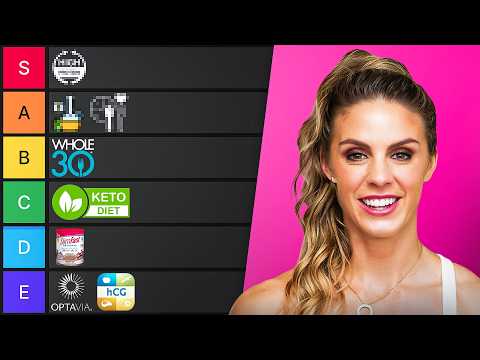 23 min
Best Diet for Women Over 40? Popular Diets Ranked
Video · May 2, 2026
 27 min
Why Eating More Helps You Lose Fat After 40
Episode 272 · Jun 30, 2025
 33 min
5 Macro Myths: Late Eating, Protein, Carbs and Tracking
Video · Jan 27, 2020
Best of Diets, Fasting & Diet Culture
All 133 → 1 hr 3 min
Why a 1200-Calorie Diet Fails Women Over 40
With Dr. Stacy Sims
 28 min
Reverse Dieting for Women Over 40: Do You Need One?
Episode 284 · Aug 11, 2025
 28 min
Signs You're Not Eating Enough as a Woman Over 40
Episode 308 · Nov 3, 2025