

From 1 video
Is OMAD a good way for women over 40 to lose weight?
Answered by Nikkiey Stott and her guests · Updated
The short answer
Nikkiey says no. In her ranking of six popular weight loss methods for women over 40, OMAD came last, scoring 7 out of 30. One meal gives you one shot at muscle protein synthesis instead of three or four, 20-plus hours without food is a big cortisol trigger, and almost no one can sustain it.
Hear Nikkiey answer it
Tap play to start right where it's answered. It keeps playing while you browse.
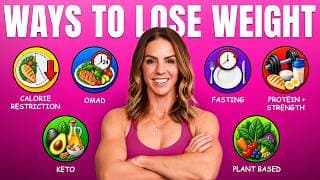
Nikkiey on why OMAD is one of the most damaging approaches for women over 40
Plays from 1:15 · Video: Keto, Fasting, OMAD or Macros: Best Diet for Women Over 40
One shot at muscle protein synthesis and why 20-plus hour fasts spike cortisol
Plays from 1:52 · Video: Keto, Fasting, OMAD or Macros: Best Diet for Women Over 40
How 16:8 intermittent fasting compares to OMAD for protein and muscle
Plays from 9:56 · Video: Keto, Fasting, OMAD or Macros: Best Diet for Women Over 40
Why even shorter fasts can add stress for women in menopause
Plays from 10:26 · Video: Keto, Fasting, OMAD or Macros: Best Diet for Women Over 40
The full answer
Nikkiey scores every diet on three things she says matter after 40: whether it preserves muscle, what it does to cortisol and insulin, and whether you can actually sustain it. Muscle is the big one, because muscle is your metabolism and you're already losing it. She explains that your muscle can only use about 25 to 40 grams of protein at a time for muscle protein synthesis, and anything beyond that goes to energy or other processes. Even if you hit your full protein target in one meal, which she says most OMAD women don't, you get one chance to build and keep muscle instead of three or four. That speeds up muscle loss on top of the 3 to 8% per decade you're already losing, so she gives OMAD a 2 out of 10 for muscle.
On hormones, Nikkiey says going 20-plus hours without food is a massive cortisol trigger because your body reads prolonged fasting as a threat. Cortisol and insulin, she explains, are what decide where your body stores fat. Add in how hard it is to keep going and OMAD lands at 7 out of 30, the lowest score she gave.
She also puts it in context against regular intermittent fasting. A 16:8 window has the same problem in milder form: you get two or three meals to spread protein across, which can work if you're intentional, but most women end up tracking the clock instead of their protein. She notes a 16-hour fast is less stressful than a 22-hour one, yet for a woman in menopause with already elevated cortisol, it can still add stress. If menopause or blood sugar is part of your picture, talk it through with your doctor.
If OMAD has left you hungry, stalled or losing ground, the problem isn't your willpower. It's a plan that works against the muscle and hormones you're trying to protect.
From Nikkiey Stott and WarriorBabe's coaching. For education, not medical advice: talk to your doctor about your own health.
Women also ask
More questions →
Diets, Fasting & Diet Culture
Is keto good for women in perimenopause?
Not as a long-term plan, in Nikkiey's view. She says keto can improve insulin sensitivity in the short term, but chronic carb restriction can raise cortisol, which already runs hotter in perimenopause, may slow thyroid conversion, and usually skimps on protein. She scores it 14 out of 30 and prefers a higher-fat, protein-forward macro split.
Read the answer →

Diets, Fasting & Diet Culture
Why am I not losing weight on 1,200 calories?
Eating 1,200 calories is often too little, not too much. Dr. Stacy Sims explains it sits around an average resting metabolic rate, so your body treats it as a threat, conserves energy and breaks down lean mass. Long-term dieting also adapts your metabolism down. Before cutting further, check your tracking is accurate.
Read the answer →
Diets, Fasting & Diet Culture
Do carbs make you gain weight?
No. Nikkiey explains that carbs on their own don't make you gain fat. Eating more calories than your body burns does, whether those calories come from carbs, fat or protein. Carbs are stored as glycogen, which holds about three grams of water per gram, so the scale can rise temporarily without any fat gain.
Read the answer →
Watch or listen in full
More on this topic →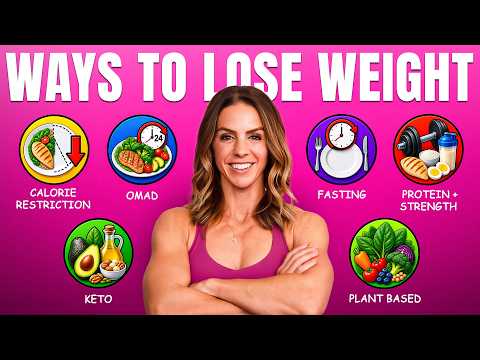 25 min
Keto, Fasting, OMAD or Macros: Best Diet for Women Over 40
Video · Sep 9, 2026