

From 3 episodes and 1 video
How do I deal with hunger in a calorie deficit?
Answered by Nikkiey Stott and her guests · Updated
The short answer
Expect some slight hunger and treat it as normal. Nikkiey explains it means your metabolism is working. Being hungry two hours after a meal is fine, but starving 10 to 30 minutes after eating means you should reassess your protein and calories. Water, tea, coffee, closer meals and high-volume foods help.
Hear Nikkiey answer it
Tap play to start right where it's answered. It keeps playing while you browse.
Nikkiey on normal slight hunger versus hunger that means you should eat more
Plays from 12:24 · Ep. 33: Cut, Reverse, Maintenance or Build: Which Phase Are You In?
Ida Bergfoth on protein, closer meals and timing food around your hungriest hours
Plays from 55:41 · Ep. 29: Life After Bodybuilding: How to Eat and Train Sustainably
Marie on riced cauliflower and spaghetti squash to make meals feel bigger
Plays from 33:27 · Ep. 154: How a Busy Mom Lost 85 Pounds Without Cutting Carbs
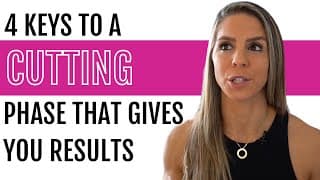
Nikkiey on when hunger after a meal is fine and when to reevaluate calories
Plays from 4:47 · Video: What to Expect in a Cutting Phase: Hunger, Energy, Strength
The full answer
Start by sorting out what kind of hunger you have. Nikkiey describes a spectrum. Slight hunger is something you will always feel in a cut, and it is a good sign. If you eat a meal and you are hungry again about two hours later, your body is using the food the way it should. Gnaw-your-hand-off hunger is different. If you are starving 10, 15 or 30 minutes after eating, or you cannot walk past the office candy jar, she says the plan needs another look, starting with whether you are eating enough protein to feel satiated and whether your calories are set right. That is not a willpower problem. It is a signal to adjust.
On Ep. 29, former figure competitor Ida Bergfoth shares how she handles the normal kind:
- Accept it as part of a decision you made for yourself, and own it.
- Drink more water, or have a warm cup of tea or some coffee.
- Start the day with enough protein.
- Push meals closer together so you stay fuller for longer.
- Ask what time of day hunger is easiest for you. Ida is busy for the first eight hours of her day, so she eats more of her food closer to bedtime. Same calories, just moved around.
On Ep. 154, Marie, a busy mom who lost 85 pounds, shares what works for a volume eater. She mixes a lot of riced cauliflower into her brown rice so her plate looks full, swaps spaghetti squash for pasta, and eats five meals a day instead of six so each one feels satisfying. She also fits small treats into her macros and slows down to actually taste her food.
Nikkiey adds that lower energy and lifting a bit less weight are also normal in a cut. Expect it so you don't beat yourself up over it.
From Nikkiey Stott and WarriorBabe's coaching. For education, not medical advice: talk to your doctor about your own health.
Women also ask
More questions →
Metabolism, Eating More & Reverse Dieting
How long should a fat loss phase last?
Nikkiey's general guideline is three to five months for a moderate fat loss phase if you're consistent. It can stretch to six to eight months if you have a lot to lose or keep falling off on weekends. She's also clear that the timeline depends on your body and your journey, and that fat loss isn't meant to last forever.
Read the answer →

Metabolism, Eating More & Reverse Dieting
How do I know if I'm ready to start a cut?
You're ready to start a cut when you have a solid foundation of muscle, you've spent real time eating at maintenance, and your metabolism is healthy. Nikkiey also looks for stable sleep, stress and recovery. If you're eating around 1,000 to 1,100 calories with no hunger cues, or you've dieted for years, a cut isn't the next step.
Read the answer →
Metabolism, Eating More & Reverse Dieting
How long should I stay in a maintenance phase?
There's no fixed number, but Nikkiey's rule of thumb is to stay in maintenance at least as long as your previous phase lasted, so about 12 weeks after a 12-week cut. If you want a hard estimate, she suggests roughly six to twelve months, and longer if you've under-eaten for years.
Read the answer →
Watch or listen in full
More on this topic →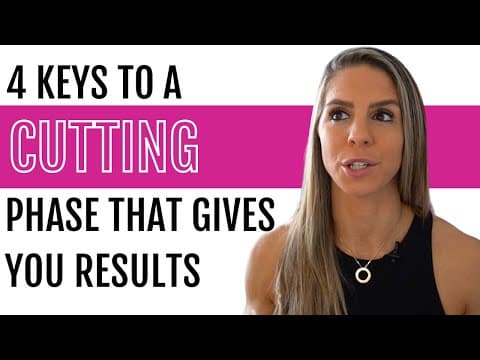 11 min
What to Expect in a Cutting Phase: Hunger, Energy, Strength
Video · Jan 18, 2022
 50 min
Cut, Reverse, Maintenance or Build: Which Phase Are You In?
Episode 33 · Mar 24, 2023
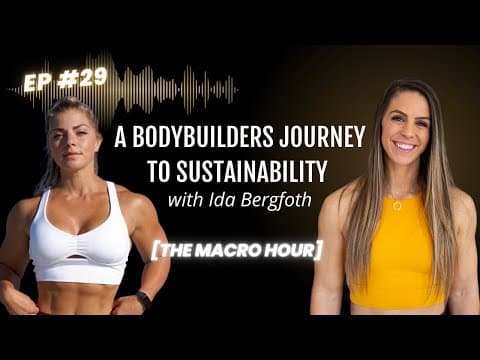 1 hr 2 min
Life After Bodybuilding: How to Eat and Train Sustainably
With Ida Bergfoth