

From 1 episode and 1 video
Do I need a calorie deficit to lose the last 5 to 10 pounds?
Answered by Nikkiey Stott and her guests · Updated
The short answer
Usually not. Nikkiey says most women with only 5 to 10 pounds to lose are skinny fat, and they don't need a calorie deficit at the start. Instead she recommends a maintenance phase: hold your weight, eat enough to build muscle and let body fat come down. That's where she says body composition changes happen.
Hear Nikkiey answer it
Tap play to start right where it's answered. It keeps playing while you browse.
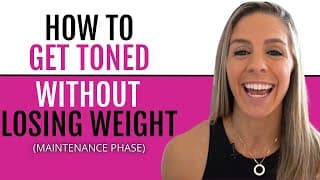
Nikkiey on why 5 to 10 pounds doesn't call for a strict calorie deficit
Plays from 1:09 · Video: Skinny Fat? Why a Maintenance Phase Beats Cutting Calories
Why most skinny fat women should start in maintenance, not a cut
Plays from 25:11 · Ep. 33: Cut, Reverse, Maintenance or Build: Which Phase Are You In?
Building muscle needs enough food, and it won't happen in a deficit
Plays from 6:12 · Ep. 33: Cut, Reverse, Maintenance or Build: Which Phase Are You In?
How much the scale may rise in maintenance and why it isn't all fat
Plays from 3:56 · Video: Skinny Fat? Why a Maintenance Phase Beats Cutting Calories
The full answer
On Ep. 33 and in her video on maintenance, Nikkiey explains that the woman with 5 to 10 pounds to lose typically carries more body fat relative to muscle, with some on the belly and arms. Cutting calories doesn't fix that ratio. Building muscle does, and she points out that you need as much food as possible to build muscle, which you don't get in a deficit. If that's been your experience with endless dieting for the last few pounds, it's the plan, not you.
In a maintenance phase, the goal is to keep your weight roughly steady while eating at a higher calorie level. Nikkiey describes a lower and a higher side of maintenance, where your weight holds but you're eating more food. The things to watch:
- Your weight, give or take a few pounds
- Your body fat and how your physique is changing
- How much food you can eat while still maintaining
She also flags the scale. In maintenance, she says weight should hover around a 3 pound increase, with about 7 pounds as the upper end, and that it won't all be fat. The scale isn't telling you the whole story. Beyond body composition, she lists strength gains, better energy, mood and sleep, and says maintenance makes future cutting phases easier and more enjoyable.
There is nuance. On Ep. 33, Nikkiey says a short fat loss phase can make sense if you're already toned, have been through the journey, and just want to drop body fat to show more definition. And maintenance is not the starting point for someone with 30 or more pounds to lose; that's where a cut fits. She also says a cut isn't for someone coming off a restrictive diet.
From Nikkiey Stott and WarriorBabe's coaching. For education, not medical advice: talk to your doctor about your own health.
Women also ask
More questions →
Metabolism, Eating More & Reverse Dieting
How long should I stay in a maintenance phase?
There's no fixed number, but Nikkiey's rule of thumb is to stay in maintenance at least as long as your previous phase lasted, so about 12 weeks after a 12-week cut. If you want a hard estimate, she suggests roughly six to twelve months, and longer if you've under-eaten for years.
Read the answer →
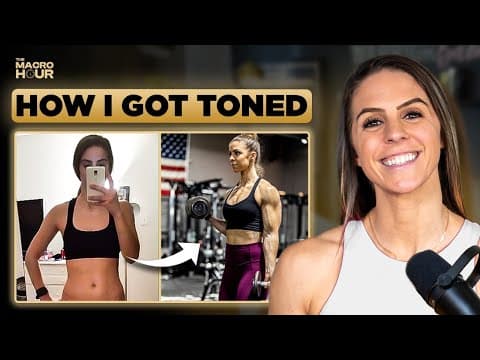
Metabolism, Eating More & Reverse Dieting
Can you lose fat while eating at maintenance calories?
Yes, for many women over 40. Nikkiey explains that eating at maintenance while strength training lets you build muscle and slowly lose body fat at the same time, a slight recomp. WarriorBabe clients have lost weight this way without ever doing a cut. If you have 30-plus pounds to lose, she says a cutting phase may fit better.
Read the answer →

Metabolism, Eating More & Reverse Dieting
How do I deal with hunger in a calorie deficit?
Expect some slight hunger and treat it as normal. Nikkiey explains it means your metabolism is working. Being hungry two hours after a meal is fine, but starving 10 to 30 minutes after eating means you should reassess your protein and calories. Water, tea, coffee, closer meals and high-volume foods help.
Read the answer →
Watch or listen in full
More on this topic → 50 min
Cut, Reverse, Maintenance or Build: Which Phase Are You In?
Episode 33 · Mar 24, 2023
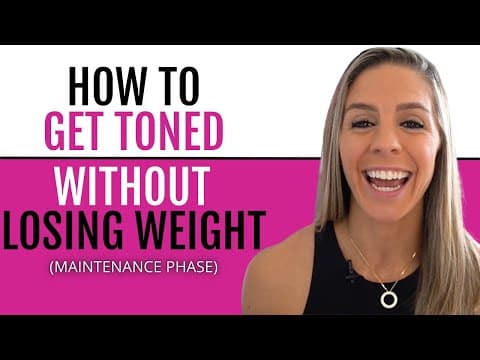 8 min
Skinny Fat? Why a Maintenance Phase Beats Cutting Calories
Video · Jan 25, 2022