

From 2 episodes
Why does libido drop in perimenopause?
Answered by Nikkiey Stott and her guests · Updated
The short answer
Libido drops in perimenopause for many reasons at once, not just hormones. On The WarriorBabe Show, Dr. Jolene Brighten points to swinging then falling estrogen, lower progesterone, poor sleep, histamine, pain with sex, insulin resistance, inflammation, stress, body image and relationship strain. Her message: you are not broken.
Hear Nikkiey answer it
Tap play to start right where it's answered. It keeps playing while you browse.
Dr. Brighten on why perimenopause libido loss is multifactorial and estrogen's role
Plays from 40:54 · Ep. 300: Lifting, Under-Eating and Perimenopause: Truths After 40
How belly fat, body image and pregnancy fears pull you out of the mood
Plays from 40:33 · Ep. 279: Early Perimenopause Signs Women Over 40 Should Know
The overlooked link between insulin resistance, inflammation and orgasm
Plays from 41:37 · Ep. 279: Early Perimenopause Signs Women Over 40 Should Know
Why your partner lowering your stress helps desire come back
Plays from 37:37 · Ep. 279: Early Perimenopause Signs Women Over 40 Should Know
The full answer
Dr. Jolene Brighten, a naturopathic endocrinologist and certified menopause specialist, calls perimenopause libido loss very multifactorial. She explains that estrogen drives much of sexual desire, fantasies, lubrication and arousal, and that desire naturally dips after ovulation once progesterone comes online. Testosterone matters too. She notes that roughly half is made by the ovaries, and the adrenal glands make DHEA that converts to testosterone, so it is worth looking at if desire has disappeared.
She also flags what she says gets talked about least:
- Insulin resistance and inflammation are bad for libido and orgasm. She explains that elevated glucose can damage nerves in the clitoris, making orgasm harder.
- Mood shifts. She says around 40% of women see new anxiety or depression with the hormone decline.
- Body changes and belly fat that lead to body image issues, which she names, along with fear of unintended pregnancy, as two big reasons women get out of the mood.
- Pain with sex. If sex hurts and there is no orgasm, desire understandably fades.
Stress and your relationship are part of it as well. Dr. Brighten tells women to ask their partner to lower their stress load and give the kind of love they need, whether that is touch, praise or doing the dishes. When your nervous system is dysregulated, she says, you simply do not receive those signals.
She adds that for some women, things like vaginal estrogen, lube and no pregnancy risk change the picture completely. That is a conversation to have with your doctor, not a fix to guess at. The takeaway from both episodes: it is never just your hormones, and nothing is wrong with you. Lower libido is a signal to look at the whole picture.
From Nikkiey Stott and WarriorBabe's coaching. For education, not medical advice: talk to your doctor about your own health.
Women also ask
More questions →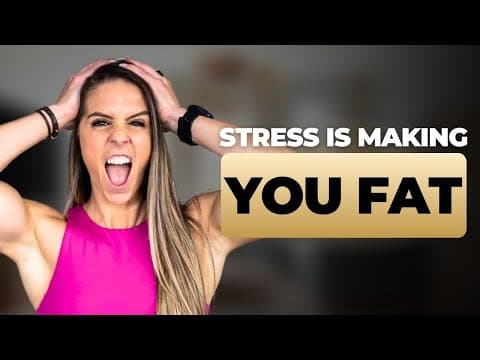
Hormones & Hormone Health
Can stress stop me from losing belly fat?
Yes, according to Nikkiey. On The WarriorBabe Show she explains that chronic stress keeps cortisol elevated, which she says increases fat storage around the midsection and drives cravings for comfort foods. Even with solid macros and training, a body stuck in survival mode can hold on to fat, so managing stress becomes part of the plan.
Read the answer →

Hormones & Hormone Health
Does strength training raise cortisol?
Yes, but only briefly. Nikkiey explains that a hard strength session spikes cortisol during and right after the workout to give you energy, then it drops back down. That is healthy stress. Over time, consistent lifting with good recovery, sleep, hydration and food helps lower baseline cortisol. The real problem is chronic cortisol, not lifting itself.
Read the answer →
Hormones & Hormone Health
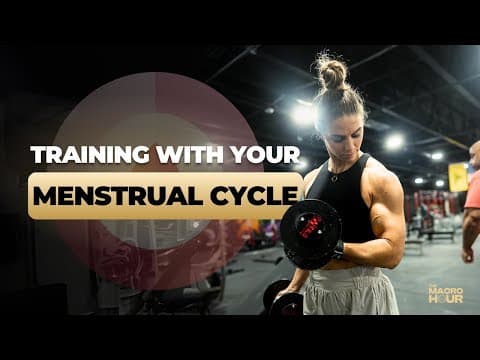
Should I lift weights on my period?
Yes, you can keep lifting on your period, but adjust rather than push. Nikkiey still shows up to keep the promise she made to herself, using lighter weights and higher reps. Guest Jessica Suchan agrees: train all month, go lighter or skip progressive overload if tired. On heavy, crampy days, a rest day is fine.
Read the answer →
Watch or listen in full
More on this topic → 55 min
Lifting, Under-Eating and Perimenopause: Truths After 40
Episode 300 · Oct 6, 2025
 1 hr 1 min
Early Perimenopause Signs Women Over 40 Should Know
With Dr. Jolene Brighten