

From 2 videos
Do I need intermittent fasting to reverse insulin resistance?
Answered by Nikkiey Stott and her guests · Updated
The short answer
No, not necessarily. Nikkiey says that if your goal is to build muscle and lose body fat and you have no underlying health issues, you don't need to intermittent fast. She has worked with people reversing insulin resistance who ate macro-based meals that included carbs, ideally with guidance from someone who understands this.
Hear Nikkiey answer it
Tap play to start right where it's answered. It keeps playing while you browse.
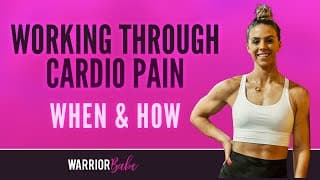
Nikkiey on why you don't need to fast to build muscle and lose fat
Plays from 14:38 · Video: Fasted Cardio vs Fasted Lifting: What's Okay After 40?
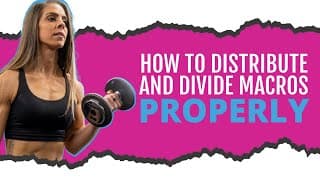
Why Nikkiey still suggests five or six meals a day with insulin resistance
Plays from 19:27 · Video: Plan Macros the Night Before and Time Fats Around Workouts
Clients who worked on insulin resistance while eating carbs within their macros
Plays from 15:10 · Video: Fasted Cardio vs Fasted Lifting: What's Okay After 40?
If you do fast, are you eating enough protein, fat and carbs in your window?
Plays from 9:52 · Video: Fasted Cardio vs Fasted Lifting: What's Okay After 40?
The full answer
Nikkiey is upfront that everybody is different, so there is some nuance. For a woman whose goal is to gain muscle, lose body fat and look toned, with no underlying health issues, fasting isn't required. If you have health conditions that call for a specific approach, she says things get different, and that's a conversation for your doctor. What she can speak to is what works for building muscle and decreasing body fat, and she has seen people working on insulin resistance do it while eating carbs within their macros.
She also notes that if you do fast, the real question is whether you're doing it correctly. Your body adapts to whatever you do, keto and fasting included. Are you eating enough in your window? Enough protein, fat and carbs? It comes back to a calorie deficit and fueling your body with the right types of foods. And if you feel restricted, Nikkiey says it won't work, because you'll want to give up and end up on the hamster wheel again.
On meal timing, her approach for insulin resistance runs almost opposite to fasting:
- She would still break your day into five or six meals and eat fairly frequently.
- That's as much about metabolism as it is about insulin.
- Eating more of the right types of foods, she says, helps keep insulin at bay.
Her bottom line: this is a skill set, and you don't have to figure it out alone. Working with someone who understands insulin resistance, and following their plan alongside your doctor's guidance, is your best bet. If fasting hasn't fixed things for you, it's not you. It may simply not have been the right plan.
From Nikkiey Stott and WarriorBabe's coaching. For education, not medical advice: talk to your doctor about your own health.
Women also ask
More questions →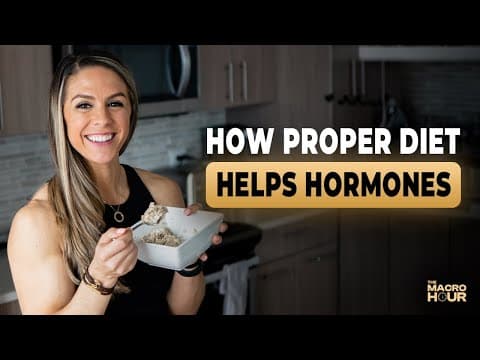
Hormones & Hormone Health
How much fat should I eat for hormone health?
Nikkiey typically sets women's fat between 55 and 85 grams a day, depending on whether you're cutting or in maintenance. On Ep. 172 she says women going through menopause usually need fat a little higher to support their changing hormones. She also says to actually hit your fat target, because falling short quietly cuts calories.
Read the answer →
Hormones & Hormone Health
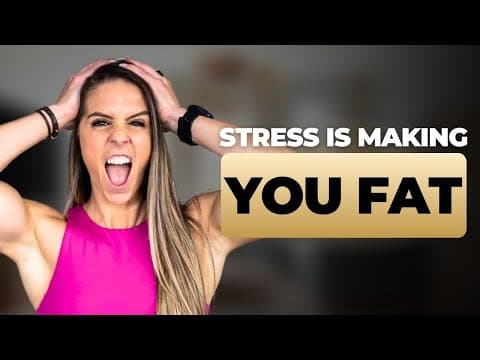
Can stress stop me from losing belly fat?
Yes, according to Nikkiey. On The WarriorBabe Show she explains that chronic stress keeps cortisol elevated, which she says increases fat storage around the midsection and drives cravings for comfort foods. Even with solid macros and training, a body stuck in survival mode can hold on to fat, so managing stress becomes part of the plan.
Read the answer →
Hormones & Hormone Health
Does strength training raise cortisol?
Yes, but only briefly. Nikkiey explains that a hard strength session spikes cortisol during and right after the workout to give you energy, then it drops back down. That is healthy stress. Over time, consistent lifting with good recovery, sleep, hydration and food helps lower baseline cortisol. The real problem is chronic cortisol, not lifting itself.
Read the answer →
Watch or listen in full
More on this topic → 21 min
Fasted Cardio vs Fasted Lifting: What's Okay After 40?
Video · Jul 19, 2022
 39 min
Plan Macros the Night Before and Time Fats Around Workouts
Video · Mar 12, 2021