

From 3 episodes and 1 video
Does strength training raise cortisol?
Answered by Nikkiey Stott and her guests · Updated
The short answer
Yes, but only briefly. Nikkiey explains that a hard strength session spikes cortisol during and right after the workout to give you energy, then it drops back down. That is healthy stress. Over time, consistent lifting with good recovery, sleep, hydration and food helps lower baseline cortisol. The real problem is chronic cortisol, not lifting itself.
Hear Nikkiey answer it
Tap play to start right where it's answered. It keeps playing while you browse.

Nikkiey on why a lifting spike is healthy stress but chronic cortisol drives belly fat
Plays from 3:36 · Video: Is Overtraining Causing Your Menopause Weight Gain?
Nikkiey clears up the acute cortisol rise versus long-term reduction from lifting
Plays from 9:15 · Ep. 182: How Strength Training Helps Your Mental Health After 40
Why consistent, moderate exercise is one of the best tools for regulating cortisol
Plays from 8:47 · Ep. 345: How Exercise Supports Your Mental Health After 40
Nikkiey on how regular physical activity lowers cortisol over time
Plays from 23:14 · Ep. 186: How Stress and Cortisol Cause Belly Fat After 40
The full answer
On Ep. 182, Nikkiey takes on the confusion she sees in the fitness space, where women are told to avoid strength training because it raises cortisol. She explains that the short rise during and right after an intense workout is a normal stress response. It meets the energy demand of the session and helps you power through. Over months and years, regular strength training helps lower your baseline cortisol. The steady release of feel-good hormones counteracts cortisol's negative effects and improves your ability to handle daily stress. She ties that long-term benefit to consistent training paired with proper recovery, sleep, hydration and eating right.
In her video on overtraining and menopause weight gain, Nikkiey says exercise itself is not the problem. Chronic cortisol is. Picture a woman already running high cortisol from hormonal changes, under-eating and poor sleep. Then she stacks five or six cardio sessions plus strength training every week with no real recovery. Cortisol never gets a chance to come back down. In Nikkiey's view, that chronic state signals the body to store fat in the midsection and hold on to it. Her fix is not to stop exercising. It is the right type of exercise, with enough recovery and enough food.
The framework she gives for women in menopause is probably less than you think:
- Three to four days a week of strength training
- Intentional walking
- One or two short conditioning sessions a week, if your recovery supports it
On Ep. 345, she calls consistent, moderate exercise one of the most effective tools for regulating cortisol. Consistency matters more than intensity, and it is fine to move a workout when you wake up exhausted. On Ep. 186, she adds that physical activity lowers cortisol over time and releases endorphins.
If your midsection won't budge despite all that effort, it is likely the plan, not you. Too much output on too little fuel keeps cortisol elevated. If you have concerns about hormones or menopause, work with your doctor.
From Nikkiey Stott and WarriorBabe's coaching. For education, not medical advice: talk to your doctor about your own health.
Women also ask
More questions →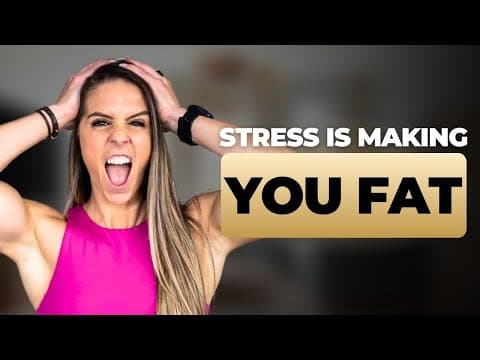
Hormones & Hormone Health
Can stress stop me from losing belly fat?
Yes, according to Nikkiey. On The WarriorBabe Show she explains that chronic stress keeps cortisol elevated, which she says increases fat storage around the midsection and drives cravings for comfort foods. Even with solid macros and training, a body stuck in survival mode can hold on to fat, so managing stress becomes part of the plan.
Read the answer →
Hormones & Hormone Health
Should I lift weights on my period?
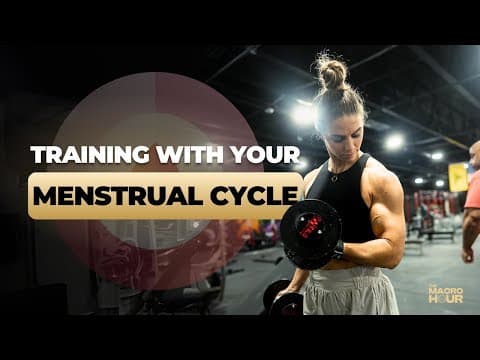
Yes, you can keep lifting on your period, but adjust rather than push. Nikkiey still shows up to keep the promise she made to herself, using lighter weights and higher reps. Guest Jessica Suchan agrees: train all month, go lighter or skip progressive overload if tired. On heavy, crampy days, a rest day is fine.
Read the answer →

Hormones & Hormone Health
How much fat should I eat for hormone health?
Nikkiey typically sets women's fat between 55 and 85 grams a day, depending on whether you're cutting or in maintenance. On Ep. 172 she says women going through menopause usually need fat a little higher to support their changing hormones. She also says to actually hit your fat target, because falling short quietly cuts calories.
Read the answer →
Watch or listen in full
More on this topic → 26 min
How Stress and Cortisol Cause Belly Fat After 40
Episode 186 · Sep 2, 2024
 12 min
Is Overtraining Causing Your Menopause Weight Gain?
Video · Jul 1, 2026
 29 min
How Strength Training Helps Your Mental Health After 40
Episode 182 · Aug 19, 2024