

From 2 episodes and 1 video
Is HRT enough to lose weight in menopause?
Answered by Nikkiey Stott and Maggie Topham · Updated
The short answer
No. Across the episodes, the answer is consistent: HRT can help, but it isn't what produces the results on its own. Dr. Brighten says HRT is not enough by itself, Alicia Erickson says you still have to do the work, and a woman who lost 60 pounds in menopause credits muscle, nutrition and recovery first.
Hear it answered
Tap play to start right where it's answered. It keeps playing while you browse.
Dr. Brighten on why HRT alone is not enough and lifestyle drives outcomes
Plays from 39:16 · Ep. 324: How Should Women Train and Eat in Perimenopause?
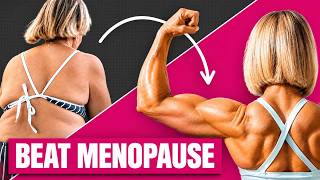
How HRT supported, but didn't create, one woman's 60-pound menopause loss
Plays from 10:18 · Video: Quit Cardio, Ate More, Lost 60 Pounds in Menopause
Alicia Erickson on why you still have to do the work and build muscle on HRT
Plays from 35:59 · Ep. 221: How to Get Lean and Strong at 51 With Lifting and Protein
The full answer
On Ep. 324, Dr. Brighten, who has prescribed menopause hormone therapy for over a dozen years, is blunt: HRT is not enough, no matter how many people talk about it like the gospel. She says nutrition and lifestyle go a long way and that the way you show up every day has a tremendous impact on your outcomes. She also pushes back on the idea that you should just suffer through perimenopause. Hormones are one option, and she says there are natural therapies and non-hormonal medication options if you'd rather not go that route.
On Ep. 221, Alicia Erickson shares that she started bioidentical HRT at 51 because hot flashes were wrecking her sleep, and she gets blood work with a functional medicine doctor about every six months. She feels much better, but she says HRT doesn't let you off the hook. You can't settle for "this is just my body now." Her emphasis is on putting a layer of muscle on your body, and if a doctor tells you weight gain is simply what happens at this stage, she suggests finding a new one.
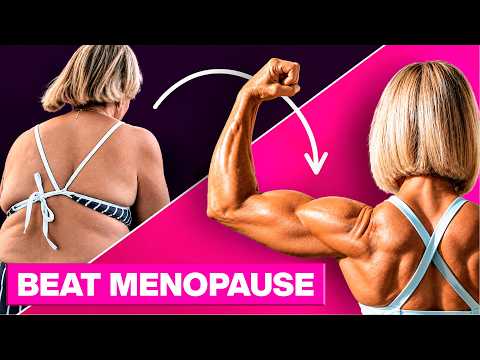
The woman featured in the video "Quit Cardio, Ate More, Lost 60 Pounds in Menopause" puts it most clearly. She started HRT a couple of years in and says it helped, but mostly her results came from the foundation she already had: eating enough, lifting with progressive overload, and recovering. In her words, the hormones supported what she had built. They didn't build it for her.
So if you've started HRT and the scale hasn't moved, that's not a sign you're broken. It's a sign the plan needs the pieces hormones can't supply. Whether HRT is right for you is a conversation to have with your doctor, ideally one who will take your symptoms seriously.
From WarriorBabe's coaches (how we write our answers). For education, not medical advice: talk to your doctor about your own health.
Women also ask
More on Hormones & Hormone Health →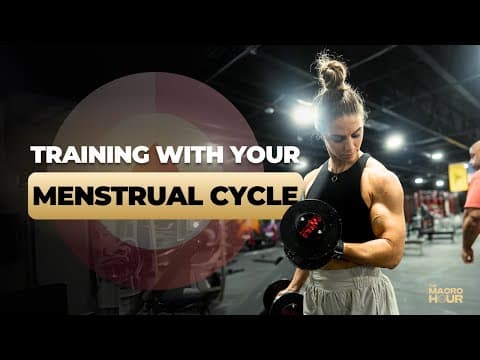
Hormones & Hormone Health
Should I sync my workouts to my menstrual cycle?
You don't have to, but it can help to know your cycle. On Ep. 204, Nikkiey says cycle syncing is about awareness, not overhauling your program: push for PRs around ovulation, when estrogen peaks and testosterone rises slightly, and ease off when the luteal phase and your period bring fatigue and slower recovery.
Read the answer →
Hormones & Hormone Health
How much fat should I eat for hormone health?
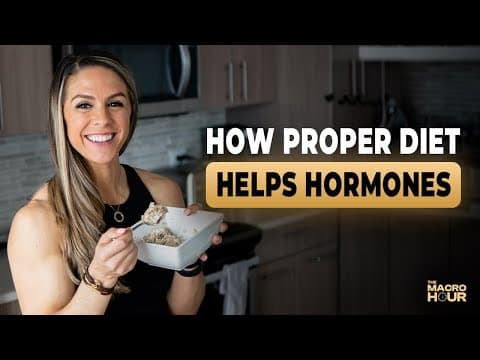
Nikkiey typically sets women's fat between 55 and 85 grams a day, depending on whether you're cutting or in maintenance. On Ep. 172 she says women going through menopause usually need fat a little higher to support their changing hormones. She also says to actually hit your fat target, because falling short quietly cuts calories.
Read the answer →

Hormones & Hormone Health
Can stress stop me from losing belly fat?
Yes, according to Nikkiey. On The WarriorBabe Show she explains that chronic stress keeps cortisol elevated, which she says increases fat storage around the midsection and drives cravings for comfort foods. Even with solid macros and training, a body stuck in survival mode can hold on to fat, so managing stress becomes part of the plan.
Read the answer →

Hormones & Hormone Health
Why are my lab results normal when I feel awful?
Often because normal isn't the same as optimal. Nikkiey explains that standard lab ranges come from population averages wide enough to include about 95% of people, including those who are unhealthy, insulin resistant, sedentary or already symptomatic. Basic panels also tend to leave out key markers, like a full thyroid panel or testosterone.
Read the answer →
Hormones & Hormone Health
Should I eat more the week before my period?
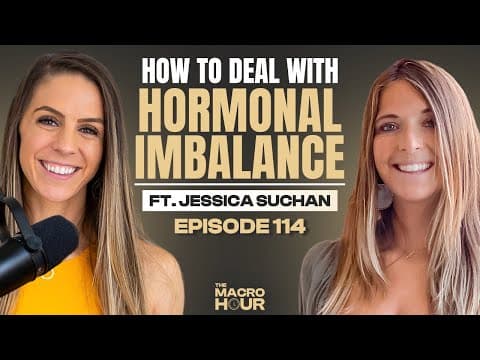
Yes, according to Ep. 114 guest Jessica Suchan. She says progesterone is thermogenic and nudges metabolism up after ovulation, so she has many clients eat at maintenance at least the week before their period. Adding a protein-rich snack of around 200 calories works better than fighting the extra hunger and risking a binge later.
Read the answer →

Hormones & Hormone Health
Does strength training raise cortisol?
Yes, but only briefly. Nikkiey explains that a hard strength session spikes cortisol during and right after the workout to give you energy, then it drops back down. That is healthy stress. Over time, consistent lifting with good recovery, sleep, hydration and food helps lower baseline cortisol. The real problem is chronic cortisol, not lifting itself.
Read the answer →
Watch or listen in full
More on this topic →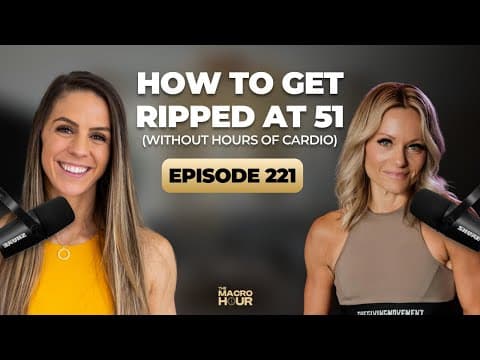 41 min
How to Get Lean and Strong at 51 With Lifting and Protein
With Alicia Erickson
 15 min
Quit Cardio, Ate More, Lost 60 Pounds in Menopause
Video · Oct 12, 2026
 1 hr 0 min
How Should Women Train and Eat in Perimenopause?
Episode 324 · Jan 2, 2026