

From 1 episode and 1 video
What is body composition?
Answered by Nikkiey Stott and WarriorBabe's coaches · Updated
The short answer
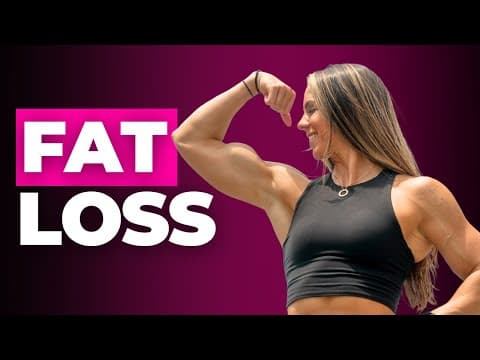
Body composition is the relative proportion of fat, muscle and bone in your body. Nikkiey explains that building muscle while losing body fat improves it, giving you a leaner, more toned look, even when the scale barely moves. That is why she treats it as a better goal than weight loss alone.
Hear it answered
Tap play to start right where it's answered. It keeps playing while you browse.
Nikkiey defines body composition and why it beats chasing weight loss
Plays from 8:27 · Ep. 6: Fat Loss vs Weight Loss: What's the Difference?
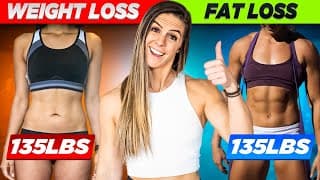
Why five pounds of muscle looks smaller than five pounds of fat
Plays from 2:07 · Video: What Is Body Composition? Why It Beats Weight Loss After 40
Why the scale may not budge while your body composition improves
Plays from 18:06 · Ep. 6: Fat Loss vs Weight Loss: What's the Difference?
Better ways to track progress, plus habits that improve body composition
Plays from 2:42 · Video: What Is Body Composition? Why It Beats Weight Loss After 40
The full answer
On Ep. 6 and in a video on the topic, Nikkiey and one WarriorBabe coach make the point that the scale cannot see body composition. Muscle is denser than fat, so five pounds of fat takes up more space than five pounds of muscle. Two women of the same height, frame and weight can look completely different, and you can weigh the same or even more than before and still look slimmer and more toned. If you have been training and eating well and the number won't budge, they say not to get discouraged. You may be gaining muscle while losing fat.
Nikkiey also draws a line between weight loss and fat loss. Chasing weight loss alone can mean losing muscle along with fat, which she warns can leave you a skinnier but softer version of yourself. Focusing on fat loss means preserving the lean muscle you have, and that is what changes the way your body looks. On Ep. 6 she adds some nuance: if you have 50 or more pounds to lose, weight loss can be the focus, while fat loss is how you take it to the next level for a toned look.
To improve body composition, the video points to:
- Strength training
- Cardiovascular exercise
- A well-balanced diet rich in whole foods
- Following your macronutrients, the method WarriorBabe uses
- Getting enough sleep
Because the scale tells only part of the story, Nikkiey recommends tracking progress several ways: measurements, photos and how your clothes fit. She also stresses that goals should be individualized. What works for one woman may not work for another, so the aim is a sustainable approach built around your own needs.
From WarriorBabe's coaches (how we write our answers). For education, not medical advice: talk to your doctor about your own health.
Women also ask
More on The Scale & Tracking Progress →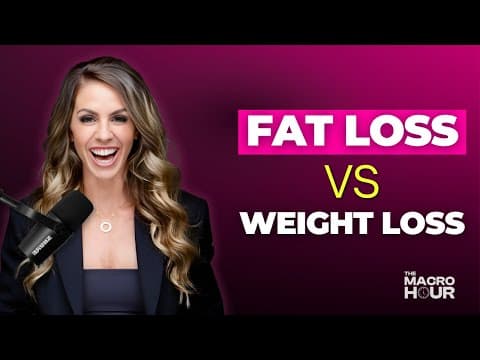
The Scale & Tracking Progress
What is the difference between weight loss and fat loss?
Weight loss is any drop on the scale, and it can come from fat, muscle, water, undigested food and even organs. Fat loss means reducing body fat specifically while keeping your lean muscle. Nikkiey explains that fat loss is what makes you look leaner, stronger and more defined, so it should be the goal.
Read the answer →

The Scale & Tracking Progress
How can I track progress without the scale?
Track the changes the scale can't show: waist and body measurements, side-by-side progress photos, how your clothes fit, and whether you're lifting more than two weeks ago. Nikkiey also watches energy, sleep, cravings, recovery and habits like hitting protein and showing up to train. The scale becomes supporting data, not the decision maker.
Read the answer →

The Scale & Tracking Progress
Why isn't the scale moving when I'm strength training?
The scale often stalls with strength training because you can build muscle while losing fat at the same time, so your weight barely changes while your body composition does. Nikkiey explains that muscle is denser and takes up less space than fat. Water retention, glycogen, your cycle and hormonal shifts can also stall or spike the number.
Read the answer →
The Scale & Tracking Progress
Can I hit a weight loss plateau after only one or two weeks?
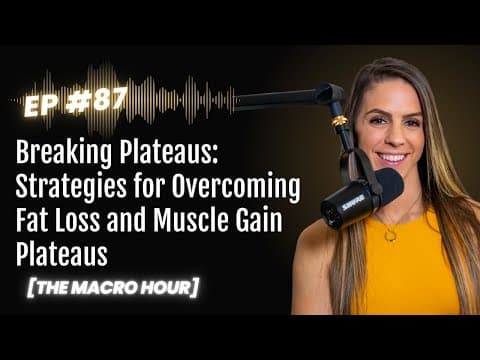
Not really, according to Nikkiey. One or two weeks without a drop on the scale doesn't mean you've stalled or that your plan is failing. On Ep. 87 she defines a plateau as consistent effort with no visible change in your progress photos for four to six weeks, and says nothing needs adjusting at two weeks.
Read the answer →
The Scale & Tracking Progress
What is biofeedback in fat loss?
Biofeedback is your body's internal report card: the signals it sends about how well it's coping with your training, meals and sleep. Nikkiey tracks six markers, energy, sleep, hunger, digestion, mood, and performance and recovery, because they show whether your fat loss plan is actually working, often before the scale does.
Read the answer →

The Scale & Tracking Progress
How often should I weigh myself?
Daily, if you can stay neutral about the number. Nikkiey suggests weighing every morning and comparing weekly averages, or weighing two to three times a week if daily weigh-ins trigger you. Guests Susan Niebergall and Paula Ciarniello also favor daily weighing, because a single weekly weigh-in can land on a water-retention day and mislead you.
Read the answer →
Watch or listen in full
More on this topic →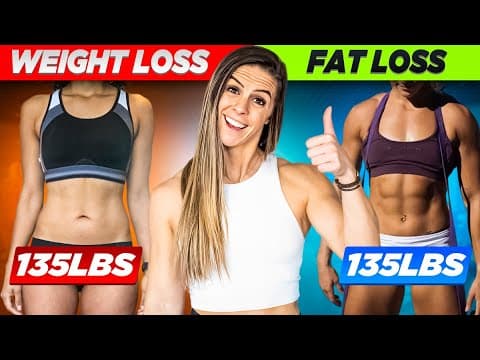 5 min
What Is Body Composition? Why It Beats Weight Loss After 40
Video · Jan 19, 2023
 21 min
Fat Loss vs Weight Loss: What's the Difference?
Episode 6 · Jan 20, 2023