

Chapters
In this video
Weight loss and fat loss sound like the same thing, but they aren't. In this video, Nikkiey Stott explains that weight loss is a drop in overall body weight, which can come from muscle, water, body fat and even smaller organs. Fat loss is a reduction in body fat only. If your goal is a fitter, more toned look, that difference decides whether you're going about it the right way.
Nikkiey walks through body composition, the relative proportion of fat, muscle and bone in your body. Because muscle is denser than fat, five pounds of muscle takes up less space than five pounds of fat. That's why you can weigh the same or even more than someone of similar height and frame and still look slimmer and more toned. When you strength train and build muscle, the scale may not move even while your body fat is going down.
So the scale is only one measurement, and not the best one if you want to lose fat and build muscle. Nikkiey recommends tracking measurements, photos and how your clothes fit, and supporting body composition with strength training, cardio, a well-balanced diet rich in whole foods, tracking macros and enough sleep. Her message: focus on fat loss, not weight loss, and don't let the scale run the show.
Key takeaways
- Weight loss is a drop in total body weight that can include muscle, water, body fat and even organ size, while fat loss is a reduction in body fat only.
- If you're strength training and building muscle, added muscle can offset fat loss on the scale, so your weight may not change even as body fat drops.
- Five pounds of muscle takes up less space than five pounds of fat, so you can weigh the same or more than someone your size and still look leaner.
- Focus on improving body composition, more muscle and less fat, rather than chasing a lower number on the scale.
- Track progress with measurements, photos and how your clothes fit, not the scale alone.
- Support body composition with strength training, cardio, a well-balanced whole-food diet, tracking macros and getting enough sleep.
- Fat loss and weight loss goals should be individualized, and working with a professional can help you build a plan that fits your needs.
- If you're training and eating well but the scale isn't budging, don't give up, because you may be gaining muscle while losing fat.
Questions answered
Is losing weight the same as losing fat?
No. Nikkiey explains that weight loss is a decrease in overall body weight, which can include muscle, water, body fat and even organ size, while fat loss refers only to a reduction in body fat. You can lose weight without losing fat, or lose fat without losing weight.
Why hasn't my weight changed since I started strength training?
If you're building muscle, the added muscle can offset any weight loss and result in no change on the scale. Because muscle is denser and heavier than fat, your weight can stay the same or go up even while your body fat is decreasing.
What is body composition?
Body composition is the relative proportion of fat, muscle and bone in your body. Increasing muscle mass and decreasing body fat improves your body composition and gives you a leaner, more toned appearance.
How should I track progress besides the scale?
Nikkiey recommends using a combination of measurements, photos and how your clothes fit. Together these give a far more accurate picture of your progress than the scale alone.
What helps improve body composition besides lifting?
Along with strength training, the video points to cardiovascular exercise, a well-balanced diet rich in whole foods, following macronutrients and getting enough sleep.
Ask Nikkiey
Questions this video helps answer, with what Nikkiey says across everything WarriorBabe teaches.
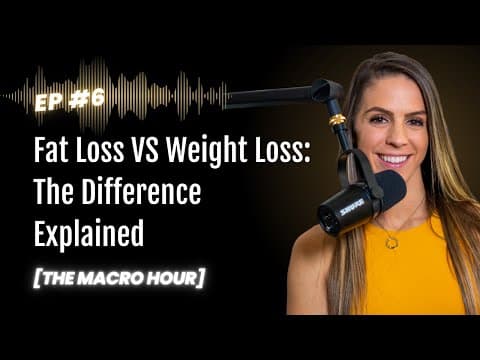
The Scale & Tracking Progress
What is body composition?
Body composition is the relative proportion of fat, muscle and bone in your body. Nikkiey explains that building muscle while losing body fat improves it, giving you a leaner, more toned look, even when the scale barely moves. That is why she treats it as a better goal than weight loss alone.
Read the answer →
Full transcript
Nikkiey: In this video, I'm going to explain the difference between weight loss and fat loss, and which one is better for you if your goal is a more fit, toned look. This is a topic that seems to be confusing for a lot of people: weight loss versus fat loss. A lot of people seem to think they are the same thing, but they're actually very different. And depending on which one you're trying to achieve, you might be going about it all wrong. So stay tuned and I'll clear up everything for you today.
Weight loss and fat loss are two different concepts that are often misunderstood. Weight loss refers to a decrease in overall body weight, which can be caused by a variety of factors, such as a reduction in your muscle mass, water weight, body fat; even your organ size gets smaller. Fat loss, on the other hand, simply refers to a reduction in body fat.
While it's possible to lose weight and fat at the same time, it is also possible to lose weight without losing fat, or to lose fat without losing weight. For example, if you're following a weight loss program that focuses on reducing your calorie intake and increasing your physical activity, you may experience a decrease in both weight and fat. This is because calorie reduction and increased physical activity can lead to a decrease in your body weight and an increase in fat metabolism.
However, if you are participating in a strength training program that helps you build muscle, you may experience an increase in muscle mass, which could offset any weight loss and result in no weight change. This is because muscle is denser and heavier than fat. So an increase in muscle mass can cause an increase in overall body weight, even if body fat is decreasing.
When it comes to building muscle and changing the way your body looks, it is important to focus on improving your body composition rather than just weight loss. Body composition refers to the relative proportion of fat, muscle and bone in the body. By increasing muscle mass and decreasing body fat, you can improve your body composition and achieve a leaner, more toned appearance.
While weight loss can be a useful indicator of progress, it's not always the most accurate measure of your success when it comes to building muscle and improving your body composition. This is because muscle is denser and heavier than fat. So an increase in muscle mass can cause an increase in overall body weight even, like I said, if your body fat is decreasing.
Another way to explain it is a common photo on the internet of muscle and fat next to each other, weighing the same thing, but with one taking up more space than the other. So here we have five pounds of fat next to five pounds of muscle. You see that fat takes up more space and volume than the dense, heavy muscle does. So it's possible that you can weigh the same or even more, yet appear slimmer, more fit and more toned than another person with the same weight, similar height and frame as you, because of the difference in your body composition: the relative proportion of fat, muscle and bone in your body, having more dense muscle than fat.
Therefore, the scale is not the only device that will tell you the whole story of your progress. It is important to track your progress using a variety of methods, such as measurements, photos and how your clothes fit. By using a combination of these methods, you can get a way more accurate picture of your progress and make sure you are on the right track to achieve your goals.
In addition to everything I'm saying here, and in addition to strength training, other strategies that can help you improve body composition include incorporating cardiovascular exercise and eating a well-balanced diet that is rich in whole foods. Personally, a methodology that I and WarriorBabe follow is following macronutrients. And getting enough sleep. By adopting a healthy and sustainable approach to health and fitness, you can work towards your goals and feel your best no matter what the scale says.
Don't let the scale run the show, especially if you are a beginner. It's only one means of measurement, and honestly, not the best if your goal is fat loss and building muscle to look more toned. Fat loss is the way to go.
It's also important to remember that weight loss and fat loss goals should be individualized and based on your specific needs and circumstances. What works for one person may not work for another, and it's important to find a healthy, sustainable approach that works for you. This may involve working with a professional to develop a personalized plan that takes into account your unique needs and goals.
If you need help with this, check out warriorbabe.com, specifically our VIP program. We have 30-plus expert coaches who work one-on-one with women just like you who want to achieve a more toned, athletic look. We specialize in all the things I'm speaking about that pertain to fat loss, and we will help you mentally along this journey so that the scale doesn't discourage you.
In conclusion, fluctuations in weight are normal and don't always indicate changes to your body composition. So if you've been working out regularly and eating a healthy diet, but the number on the scale isn't budging, don't get discouraged. You may just be gaining muscle mass while losing body fat. The key to improving your appearance is to focus on increasing muscle mass and decreasing body fat. By doing this, you will improve your body composition and achieve a leaner, more toned appearance.
So next time you step on the scale and don't see the numbers going down, don't give up. Keep at it, and soon you will start to see changes in your body that are much more significant than any change in weight could ever be. So focus on fat loss, not weight loss.
Thanks for watching. I hope this video was helpful. Leave a comment below on more topics you'd like to learn about, and make sure to subscribe.
Up next
Everything → 18 min
Weight Loss vs Fat Loss: Why the Scale Misleads Women
Episode 334 · Feb 6, 2026
 7 min
How Cardio, Sleep and Muscle Change Your Metabolism
Video · Mar 22, 2022
 11 min
What to Expect in a Cutting Phase: Hunger, Energy, Strength
Video · Jan 18, 2022
Best of The Scale & Tracking Progress
All 103 → 31 min
How Women Over 40 Lose Fat When the Scale Won't Move
Episode 398 · Sep 21, 2026
 30 min
Why Isn't the Scale Moving When I Eat Well and Lift?
Episode 139 · Mar 18, 2024
 26 min
What Is Biofeedback? Signs Your Fat Loss Plan Is Off
Episode 295 · Sep 19, 2025