

From 1 episode
Why is it so hard to stop dieting after years of trying to lose weight?
Answered by Nikkiey Stott and her guests · Updated
The short answer
After years of dieting, it stops being something you do and becomes who you are. Nikkiey explains that the structure felt safe, productive and protective, even though it was built on restriction, so walking away can feel like losing part of your identity. Add the fear of losing control, and letting go feels like jumping off a cliff.
Hear Nikkiey answer it
Tap play to start right where it's answered. It keeps playing while you browse.
Nikkiey on the fear of losing control and the question of who you are without dieting
Plays from 7:03 · Ep. 283: How to Stop Dieting for Good Without Losing Control
Why restriction isn't control, and why self-trust is what you actually want
Plays from 7:44 · Ep. 283: How to Stop Dieting for Good Without Losing Control
Nikkiey describes the emotional detox and limbo phase after you stop dieting
Plays from 10:47 · Ep. 283: How to Stop Dieting for Good Without Losing Control
The full answer
On Ep. 283, Nikkiey says one of the biggest fears she hears from women is this: if I'm not actively trying to lose weight, won't I just gain a bunch of weight and lose all control? Underneath it sits an even bigger question: if I'm not dieting, who am I? She calls that fear completely real, but says it rests on the belief that restriction equals control. In her words, restriction isn't control. It's survival mode, it's fear-based, and it's rooted in punishment, shame and the belief that your worth depends on the scale, your body size or what you see in the mirror.
What you actually want, she explains, is the opposite of restriction: self-trust. That means listening to your body, taking care of it, and knowing your habits will support the outcome you want without micromanaging every bite or thinking about food every single day.
The hard part is the gap between the two. Nikkiey describes an emotional detox, a limbo period where you've stopped micromanaging your food but haven't built the new habits yet. It can bring up:
- Guilt after eating something off plan
- Anxiety when you're not in control of the food, like eating out with friends
- Fear of gaining weight now that you've let go of the rules
- Lost confidence, because the disciplined, always-trying-to-be-good version of you felt like the healthy you
- Comparison with women who are still dieting
She says those feelings are valid, and that feeling lost doesn't mean you're failing. It means you're evolving, because you're not meant to be the same woman forever. If you're in that in-between stage, a new identity is being built one choice and one day at a time. Keep going.
From Nikkiey Stott and WarriorBabe's coaching. For education, not medical advice: talk to your doctor about your own health.
Women also ask
More questions →
Diets, Fasting & Diet Culture
Why am I not losing weight on 1,200 calories?
Eating 1,200 calories is often too little, not too much. Dr. Stacy Sims explains it sits around an average resting metabolic rate, so your body treats it as a threat, conserves energy and breaks down lean mass. Long-term dieting also adapts your metabolism down. Before cutting further, check your tracking is accurate.
Read the answer →
Diets, Fasting & Diet Culture
Do carbs make you gain weight?
No. Nikkiey explains that carbs on their own don't make you gain fat. Eating more calories than your body burns does, whether those calories come from carbs, fat or protein. Carbs are stored as glycogen, which holds about three grams of water per gram, so the scale can rise temporarily without any fat gain.
Read the answer →
Diets, Fasting & Diet Culture
Do I have to cut carbs to lose weight?
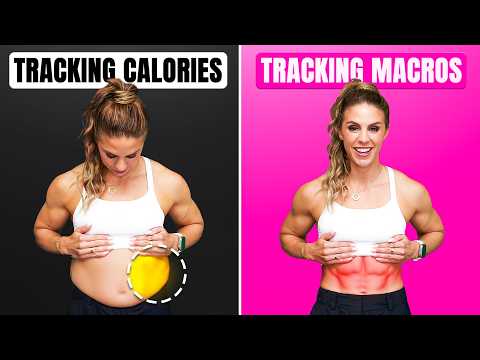
No. On The WarriorBabe Show, Nikkiey's position is that you don't need to cut carbs to lose fat. She calls carbs fuel, not the enemy, and says very low carb mostly drops water weight at first. Over time, under-eating carbs can drain your energy, hurt your workouts and make building muscle nearly impossible.
Read the answer →
Watch or listen in full
More on this topic → 28 min
How to Stop Dieting for Good Without Losing Control
Episode 283 · Aug 8, 2025