

The short answer
On Ep. 86, Nikkiey explains that carbs break down into glucose, the fuel your cells and especially your brain run on. Cut carbs hard and that supply drops, so brain fog follows. It isn't a willpower problem; it's a plan that underfuels your brain. Her fix is balance: enough protein, plus enough carbs and fat.
Hear it answered
Tap play to start right where it's answered. It keeps playing while you browse.
Nikkiey on why your brain runs on carbs and why cutting them causes brain fog
Plays from 13:40 · Ep. 86: How to Balance Protein, Carbs and Fat for Fat Loss
How the body switches to ketones on low carb, and why she doubts it lasts
Plays from 15:52 · Ep. 86: How to Balance Protein, Carbs and Fat for Fat Loss
Why going carb-free for life isn't sustainable, and how low-carb days feel
Plays from 16:12 · Ep. 86: How to Balance Protein, Carbs and Fat for Fat Loss
The full answer
Nikkiey walks through what happens to carbohydrates in your body. They're broken down into glucose, which travels through your blood and provides energy to your cells, especially and first of all your brain. Any glucose you don't need right away gets stored in your liver and muscles as fuel in reserve, then brought back out when your body needs energy. In her words, your brain loves carbohydrates and fuels off that energy. When you restrict or eliminate carbs, or just eat very low-carb, that supply runs short, and the fog you feel is the result.
She adds some nuance about low-carb approaches like keto. If you don't eat many carbs, your body can over time adapt and switch to an alternative fuel made from fat, called ketones. But she points out that getting there takes days, even weeks, and eating a carbohydrate breaks it. That's one reason she doesn't see it as sustainable. You don't want to go without carbs for the rest of your life. She also notes that even a single day when you're lower on carbs, you'll probably feel it in your brain.
Her bigger point is balance. She agrees with the common advice to focus on protein first, but she stresses that you still need enough carbohydrates and enough fat. Without them, she says, you can end up short on energy in ways your body will rebel against, both in the activities you're doing and in the results you're after.
So if every low-carb attempt has left you foggy and dragging, that's not a personal failing. It's a plan that leaves your brain short on the fuel it prefers. Building in moderate, balanced carbs alongside your protein and fat is the approach the show recommends.
From WarriorBabe's coaches (how we write our answers). For education, not medical advice: talk to your doctor about your own health.
Women also ask
More on Diets, Fasting & Diet Culture →
Diets, Fasting & Diet Culture
How do I choose a weight loss program that actually works for women over 40?
Run any program through five questions before you pay: Does it have a hard deadline? Does it start with restriction? Does it include real progressive strength training? Does it set a protein target based on your body? Is there a plan for after it ends? A program that fails these is built for a finish line, not your life.
Read the answer →
Diets, Fasting & Diet Culture
How do I stop losing and regaining the same 10 pounds?
Stop treating it as a 30-day diet and start building habits, beliefs and skills that outlast the plan. Nikkiey explains that the same 10 pounds keep coming back when old habits return after a diet ends, when you quit before your body responds, and when nobody teaches you how to move from fat loss into maintenance.
Read the answer →
Diets, Fasting & Diet Culture
Do I need to eat organic food to lose fat?
No, you don't need to eat organic food to lose fat. On The WarriorBabe Show, a coach tells client Lisa she can eat organic if she wants, but doesn't have to. One WarriorBabe coach's rule is to buy organic only for the dirty dozen and conventional for everything else.
Read the answer →
Diets, Fasting & Diet Culture
Do cheat meals help your metabolism?
Nikkiey says they can, when you've been in a calorie deficit for a while. She explains that long stretches of restriction lower leptin, which she describes as regulating hunger and metabolism, and a planned cheat meal can temporarily boost it. The extra carbs also refill glycogen, giving you more energy for strength training.
Read the answer →
Diets, Fasting & Diet Culture
What are the best carbs to eat for fat loss after 40?
WarriorBabe's coaches say the best carbs for fat loss after 40 are mostly slow-digesting, complex ones: oats, sweet potatoes, brown rice or quinoa, sprouted grain or sourdough bread, and lentil or chickpea pasta. If whole grains bloat you, white rice or cream of rice work well around workouts. No carb is banned; just make complex carbs the majority.
Read the answer →
Diets, Fasting & Diet Culture
Why am I not losing weight on 1,200 calories?
Eating 1,200 calories is often too little, not too much. Dr. Stacy Sims explains it sits around an average resting metabolic rate, so your body treats it as a threat, conserves energy and breaks down lean mass. Long-term dieting also adapts your metabolism down. Before cutting further, check your tracking is accurate.
Read the answer →
Watch or listen in full
More on this topic →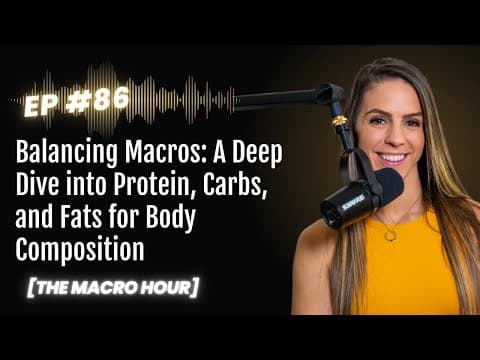 20 min
How to Balance Protein, Carbs and Fat for Fat Loss
Episode 86 · Aug 18, 2023