

Free tool
Protein Counter: How Much Protein Is in Your Meal?
Add the foods on your plate and see how much protein is in the meal, food by food, against the 25 to 30 grams Nikkiey sets for every meal (Ep. 335).
Protein in this meal
Choose a food to see the protein in your meal. Nikkiey's target is 25 to 30 grams a meal (Ep. 335).
How your numbers are worked out
- 1Every number is USDA FoodData Central (SR Legacy), per 100 grams, scaled to the serving you pick. Each food links to its own page with the USDA record named. Why
- 2The target is 25 to 30 grams a meal, so it builds muscle and keeps you full (Nikkiey, Ep. 335), and 30 grams in her 1 to 1.2 grams per pound a day (Ep. 404). Why
- 3Your body absorbs more than 30 grams at once; the muscle-building response tops out around 30 to 50 grams a meal (Ep. 364). Why
- 4Calories from protein is protein grams times 4, divided by the meal's calories: the honest measure of how protein-rich a meal is. Why
For education, not medical advice. On a GLP-1 medication, pregnant, or managing a medical condition? Set your numbers with your doctor.
Using your numbers
The short answer: A protein counter adds up the grams of protein in the foods you eat, so you can see whether a meal does its job. For a woman over 40, that job is 25 to 30 grams of protein at every meal (Ep. 335). Two eggs and a slice of whole-wheat toast come to about 16.5 grams. Add a container of plain nonfat Greek yogurt and the same breakfast reaches about 34 grams.
How this protein counter works
You pick a food, a serving and how many of that serving you ate. The counter looks up that food's protein and calories per 100 grams in USDA FoodData Central, the U.S. Department of Agriculture's nutrient database, and scales them to your portion:
- Protein in your portion = protein per 100 g × the grams in your serving ÷ 100.
- Calories from protein = protein grams × 4 ÷ the meal's calories. Protein carries 4 calories per gram, so this tells you how much of the meal is actually protein.
The servings are USDA's own portion weights (1 large egg is 50 g, half a roasted chicken breast is 86 g, a container of Greek yogurt is 170 g), plus 100 g for anything you weigh. Every food in the list links to its own page, such as protein in eggs, which names the exact USDA record the numbers come from. You can add up to eight foods, which covers a real plate.
The bar fills to 30 grams. That's the number Nikkiey Stott, WarriorBabe's co-founder, puts on every meal: breakfast is 30 grams, lunch is 30 grams, dinner is 30 grams, and a snack in between is 30 grams (Ep. 404). Add your weight and the counter also shows your daily range at 1 to 1.2 grams per pound, her target for women over 40 who strength train (Ep. 404).
Three meals, counted
Eggs and toast
Two large eggs are 12.6 grams of protein and 143 calories. A slice of whole-wheat bread adds 4.0 grams and 81 calories. Total: 16.5 grams in 224 calories, so 30% of the calories come from protein. It's a real breakfast, and it's still 8.5 to 13.5 grams short of the target.
Add one container of plain nonfat Greek yogurt (17.3 grams, 100 calories) and the meal is 33.9 grams of protein in 324 calories, 42% from protein. One hundred extra calories closed the whole gap.
The "healthy" oatmeal bowl
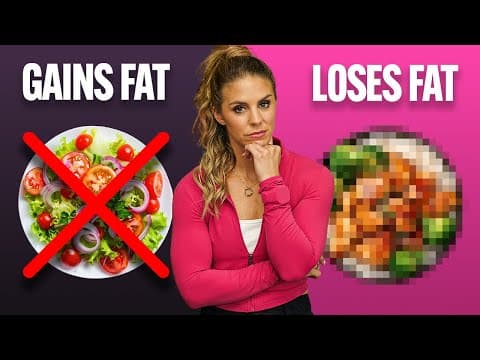
A third of a cup of dry oats (3.6 grams), a cup of blueberries (1.1 grams) and a cup of 2% milk (8.1 grams) is 12.7 grams of protein in 309 calories, only 16% from protein. This is the meal Nikkiey describes when women tell her they eat enough protein but are really getting 10 to 15 grams a meal, and are hungry again soon after (Ep. 335).
Swap the milk for a container of plain nonfat Greek yogurt and the bowl is 22.0 grams in 287 calories, closer, with fewer calories than before. Stir in a scoop of protein powder or have two egg whites on the side (3.6 grams each) to reach 25 to 30.
Chicken, rice and broccoli
Four ounces of roasted skinless chicken breast is 35.2 grams. A cup of cooked white rice adds 4.3 and a cup of chopped broccoli 2.6. Total: 42.0 grams in 423 calories. Most lunches and dinners built around a palm or two of meat or fish land here easily. Breakfast and snacks are where women usually fall short.
Eating plant-based? A cup of boiled lentils (17.9 grams) with a cup of rice is 22.1 grams in 435 calories. Swap the rice for half a cup of firm tofu (21.8 grams) and the meal is 39.6 grams in 411 calories.
Why count protein per meal, not just per day
Hitting your daily number matters most. But how you spread it changes what it does. Nikkiey's reasons for 25 to 30 grams at each meal are hunger and muscle: with that much protein in a meal, she says, you won't feel hungry an hour or two later, and too little leaves your body asking for more food (Ep. 335). On Ep. 404 she explains that the same total protein, eaten in one big dinner instead of across the day, gives a different muscle-building result, which is why she spreads it over every meal.
That doesn't mean anything over 30 grams is wasted. Your body absorbs more than 30 grams at once; it's the muscle-building response that tops out, at around 30 to 50 grams a meal (Ep. 364). A 42-gram dinner is fine. It just can't make up for a 12-gram breakfast. The answer can your body only absorb 30 grams of protein at once? goes into it.
What the counter can't tell you
- Your exact food. USDA numbers are averages for a food as described: raw egg, roasted skinless chicken breast, cooked rice. A brand's label, a fattier cut or a heavier portion will differ. For packaged food, the label on your package wins.
- Cooked versus raw. Meat loses water when cooked, so 4 ounces cooked has more protein than 4 ounces raw. The counter uses the form named on each food's page, cooked for meat and fish, so weigh it the same way.
- Your daily need. Per meal is half the picture. Use the protein calculator for your daily grams, set by your weight and whether you lift, and the macro calculator to fit protein in with carbs, fat and calories.
- Medical needs. If you have a kidney condition, are on a GLP-1 or are managing another medical condition, set your protein with your doctor.
What to do with your number
If your meal is under 25 grams, don't overhaul your day. Fix one meal at a time, starting with the lowest, usually breakfast. Nikkiey's approach to raising protein is in steps: if you're eating 70 grams a day, get to 100 first, then 120, then your full goal (Ep. 404). The easiest swaps are foods where most of the calories are protein: chicken breast, canned tuna, egg whites, Greek yogurt and cottage cheese. The high-protein foods list ranks every food by how much of its calories come from protein, and high-protein breakfasts has meals made on the show with their macros.
Most of it should come from food. Nikkiey's split is about 80% whole foods and 20% shakes and bars (Ep. 9). A shake is a useful patch for one meal, not the plan for every meal.
Protein is the first part of the WarriorBabe method, not the whole of it. It works with eating enough overall (eat more, not less), strength training that keeps your muscle asking for that protein, and the mindset to keep going when the scale is slow. If you want a coach to set your numbers, check your meals and adjust them as your body answers, that's what WarriorBabe's 1:1 coaching does.
Common protein-counting mistakes
- Counting the protein in carbs and fats as a protein source. A cup of black beans has 15 grams, and so does a cup of almonds twice over, but the almonds cost 828 calories. Look at calories from protein, not grams alone.
- Guessing portions. "A chicken breast" can be 4 ounces or 10. Weigh it for a week or two until your eye is calibrated.
- Back-loading the day. A big protein dinner after a coffee-only morning hits the daily number but misses the per-meal one (Ep. 404).
- Thinking you already eat enough. Count one normal day before you decide. Nikkiey hears "I get enough protein" from women eating 10 to 15 grams a meal (Ep. 335).
Sources
- Ep. 335: Eating Healthy but Nothing's Changing? (25 to 30 grams a meal; 10 to 15 grams is not enough).
- Ep. 404: The 5 Protein Mistakes Every Woman Over 40 Is Making (1 to 1.2 grams per pound; 30 grams at every meal; raising protein in steps).
- Ep. 364: The Protein Mistakes Slowing Your Progress (absorption; the 30 to 50 gram muscle-building response).
- Ep. 9: Q&A, Is Protein Created Equally (80% whole food, 20% shakes and bars).
- U.S. Department of Agriculture, Agricultural Research Service. FoodData Central, SR Legacy (April 2018). fdc.nal.usda.gov. Every food's record is named on its own page.
Questions women ask
How much protein should be in each meal?
25 to 30 grams. Nikkiey says most women get 10 to 15 grams a meal, which isn't enough and leaves them hungry (Ep. 335). Her daily target for women over 40 who lift is 1 to 1.2 grams per pound, spread out at about 30 grams a meal (Ep. 404).
How do I count the protein in my food?
Weigh or measure the food, find its protein per 100 grams (USDA FoodData Central lists it for thousands of foods) and scale it to your portion. This counter does the scaling for the foods women ask about most, using USDA's own portion sizes.
Can my body use more than 30 grams of protein at once?
Yes. Your body absorbs more than 30 grams; it's the muscle-building response that tops out, at around 30 to 50 grams a meal (Ep. 364). That's why spreading protein over the day works better than one huge serving.
Should I get my protein from food or shakes?
Mostly food: Nikkiey's split is about 80% from whole foods and 20% from shakes and bars (Ep. 9).
Go deeper
Protein for Women
How much protein should I eat per meal?
Aim for about 25 to 30 grams of protein at every meal. That's the range Nikkiey Stott returns to across The WarriorBabe Show, sometimes stretching it to 25 to 35 grams. If you're starting from a low intake, she suggests 20 to 25 grams across four or five meals as a first step.
Read the answer →

Protein for Women
Can your body only absorb 30 grams of protein at once?
No. Nikkiey explains that your body can absorb more than 30 grams of protein in one meal. What tops out is muscle protein synthesis, the muscle-building response, at around 30 to 50 grams per meal for most women. Protein beyond that is still absorbed and used for other functions. It is not stored as fat.
Read the answer →

Protein for Women
How much protein do women over 40 need?
Most guidance on The WarriorBabe Show lands at about 1 gram of protein per pound of body weight per day for women over 40, based on goal weight if you have a lot to lose. Nikkiey says strength-training women may need 1.2 or even 1.3. Some episodes and guests cite 0.7 grams as the floor.
Read the answer →