

From 1 episode and 1 video
Do I need to eat organic food to lose fat?
Answered by Nikkiey Stott and WarriorBabe's coaches · Updated
The short answer
No, you don't need to eat organic food to lose fat. On The WarriorBabe Show, a coach tells client Lisa she can eat organic if she wants, but doesn't have to. One WarriorBabe coach's rule is to buy organic only for the dirty dozen and conventional for everything else.
Hear it answered
Tap play to start right where it's answered. It keeps playing while you browse.
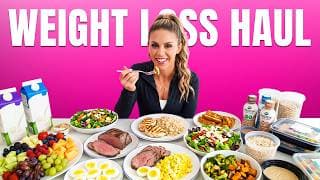
The dirty dozen rule for when organic is worth buying
Plays from 17:06 · Video: Cheap High-Protein Grocery List for Menopause Fat Loss
Lisa asks her coach if she needs to eat organic to lose fat
Plays from 24:52 · Ep. 374: Can You Eat More and Still Lose Weight After 40?
Why the best results come from consistent basics, not spending more
Plays from 3:34 · Video: Cheap High-Protein Grocery List for Menopause Fat Loss
The full answer
On Ep. 374, Lisa explains that one of her first worries when she joined WarriorBabe was the cost of food. She had just lost her job, lives somewhere with high grocery prices, and remembered a three-week cleanse that cost about $1,000 in groceries. So she asked her coach, Lindsay, whether she needed to eat organic. The answer was no: she could if she wanted to, but she didn't need to. Lisa says that was the moment she knew the plan would work for her. Her scale started moving once she began tracking her food, not once she changed where it came from.
One WarriorBabe coach gives a practical rule for organic food. She suggests organic for the dirty dozen, foods like strawberries, spinach and apples where you eat the skin and pesticide exposure is highest. Everything else conventional is completely fine. In her words, organic frozen broccoli versus conventional frozen broccoli is not a meaningful difference, so save the premium for where it actually matters. That rule is about pesticide exposure, not fat loss.
What matters more for your budget and your results, according to one WarriorBabe coach:
- Protein gets the biggest share of your grocery money: chicken, eggs, ground turkey, canned fish.
- Buy the simplest form of carbs, like a big bag of rolled oats instead of packaged oat cups.
- Frozen produce is a strategy, not a compromise.
- Skip foods with health claims like clean or metabolism boosting on the label. The price doubles and the nutrition rarely justifies it.
One WarriorBabe coach notes that the WarriorBabe clients who get the best results are not the ones spending the most. They're the ones who stay consistent with the basics. If fat loss hasn't worked for you before, the price tag on your food probably wasn't the problem.
From WarriorBabe's coaches (how we write our answers). For education, not medical advice: talk to your doctor about your own health.
Women also ask
More on Diets, Fasting & Diet Culture →
Diets, Fasting & Diet Culture
Is carb cycling a good idea for women over 40 who want to lose weight?
For most women over 40, Nikkiey Stott says carb cycling isn't her go-to. She prefers the same macros every day so your body recognizes what you're doing. She says the constant swings in calories can be too much for many older women, though it does work for a small group.
Read the answer →

Diets, Fasting & Diet Culture
How can I tell if fitness and nutrition advice is backed by science?
Start by questioning the source. Nikkiey Stott asks whether advice is based on scientific research or is a trend or marketing trying to sell you something. Lean on reliable sources like a well-qualified coach, scientific studies or a nutritionist, and be wary of anything extreme, like cutting entire food groups or replacing meals with supplements or juice.
Read the answer →

Diets, Fasting & Diet Culture
Do I need to eat every 2 to 3 hours to boost my metabolism?
No. On The WarriorBabe Show, Nikkiey and her co-hosts say there's no research showing that eating every two to three hours boosts your metabolism, and it doesn't shut off between meals. Age, muscle mass and activity level matter more. What counts is total calories, macros and food quality, eaten on a schedule you can keep.
Read the answer →
Diets, Fasting & Diet Culture
Does eating late at night make you gain weight?
Not by itself. Nikkiey explains that weight gain comes down to your total calories and energy balance for the day, so eating at 8 or 9 p.m. is fine if you're in a deficit. The real catch is sleep: some women sleep poorly when they eat close to bed.
Read the answer →
Diets, Fasting & Diet Culture
Why am I not losing weight on 1,200 calories?
Eating 1,200 calories is often too little, not too much. Dr. Stacy Sims explains it sits around an average resting metabolic rate, so your body treats it as a threat, conserves energy and breaks down lean mass. Long-term dieting also adapts your metabolism down. Before cutting further, check your tracking is accurate.
Read the answer →
Diets, Fasting & Diet Culture
Do carbs make you gain weight?
No. Nikkiey explains that carbs on their own don't make you gain fat. Eating more calories than your body burns does, whether those calories come from carbs, fat or protein. Carbs are stored as glycogen, which holds about three grams of water per gram, so the scale can rise temporarily without any fat gain.
Read the answer →
Watch or listen in full
More on this topic →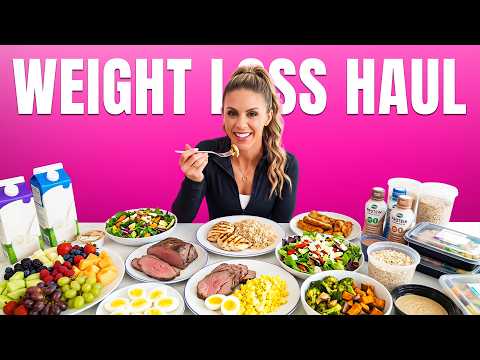 21 min
Cheap High-Protein Grocery List for Menopause Fat Loss
Video · May 9, 2026
 37 min
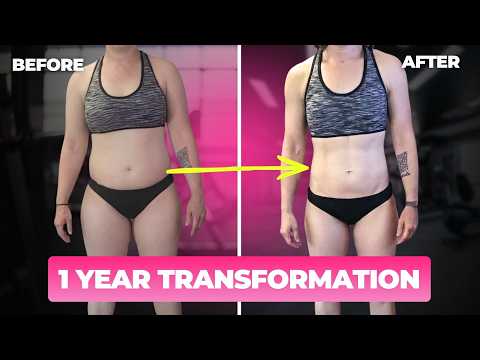
Can You Eat More and Still Lose Weight After 40?
Episode 374 · Jun 29, 2026