

From 2 episodes
Do cheat meals help your metabolism?
Answered by Nikkiey Stott and her guests · Updated
The short answer
Nikkiey says they can, when you've been in a calorie deficit for a while. She explains that long stretches of restriction lower leptin, which she describes as regulating hunger and metabolism, and a planned cheat meal can temporarily boost it. The extra carbs also refill glycogen, giving you more energy for strength training.
Hear Nikkiey answer it
Tap play to start right where it's answered. It keeps playing while you browse.
Nikkiey on how a cheat meal can temporarily boost leptin after a long deficit
Plays from 16:00 · Ep. 162: Cheat Meals vs Refeed Days: When and How to Use Them
Why she adds cheat meals or refeeds to an otherwise simple eating routine
Plays from 9:16 · Ep. 162: Cheat Meals vs Refeed Days: When and How to Use Them
The cheat day that turns into a week, and what these days are actually for
Plays from 7:54 · Ep. 162: Cheat Meals vs Refeed Days: When and How to Use Them
Michelle on how satisfying it feels to eat enough by following her macros
Plays from 34:13 · Ep. 349: Can Eating More Help You Lose Weight After 60?
The full answer
On Ep. 162, Nikkiey describes what happens when you stay in a deficit too long, like eating around 1,100 calories while hoping to build muscle and get toned. She says leptin drops, your metabolism slows a little, and you end up fighting an uphill battle. She also notes that many women see this flip when they start eating more. A cheat meal does a smaller version of that on a regular basis. It's a planned break that keeps your body working with you instead of against you. If you've been stuck under-eating, the problem was the plan, not your willpower.
How she uses them:
- Frequency depends on the person. For someone focused on toning up and losing body fat, she'd give one weekly or every other week. Someone with 75 or more pounds to lose might have one about once a month.
- Timing matters. She pairs it with a big muscle group, for example training back, having the cheat meal that night, then training legs the next day with more stamina. On refeed days she puts the extra carbs around pre- and post-workout meals.
- She likes to eat simply day to day and then add a cheat meal or refeed now and then, rather than carb cycling with different high and low days.
She's also clear about the pitfall. A cheat day can turn into the next day and the next, and that undoes the purpose. It's one planned meal, not a free-for-all.
There is a useful counterpoint on Ep. 349. When Michelle's coach offered her a cheat day, she said she didn't feel she needed one because she was so satisfied with what she was eating on her macros. She fits treats like chocolate into her day instead. So if you're already eating enough and enjoying it, a cheat meal is a tool you can use, not a requirement.
From Nikkiey Stott and WarriorBabe's coaching. For education, not medical advice: talk to your doctor about your own health.
Women also ask
More questions →
Diets, Fasting & Diet Culture
Why am I not losing weight on 1,200 calories?
Eating 1,200 calories is often too little, not too much. Dr. Stacy Sims explains it sits around an average resting metabolic rate, so your body treats it as a threat, conserves energy and breaks down lean mass. Long-term dieting also adapts your metabolism down. Before cutting further, check your tracking is accurate.
Read the answer →
Diets, Fasting & Diet Culture
Do carbs make you gain weight?
No. Nikkiey explains that carbs on their own don't make you gain fat. Eating more calories than your body burns does, whether those calories come from carbs, fat or protein. Carbs are stored as glycogen, which holds about three grams of water per gram, so the scale can rise temporarily without any fat gain.
Read the answer →

Diets, Fasting & Diet Culture
Do I have to cut carbs to lose weight?
No. On The WarriorBabe Show, Nikkiey's position is that you don't need to cut carbs to lose fat. She calls carbs fuel, not the enemy, and says very low carb mostly drops water weight at first. Over time, under-eating carbs can drain your energy, hurt your workouts and make building muscle nearly impossible.
Read the answer →
Watch or listen in full
More on this topic →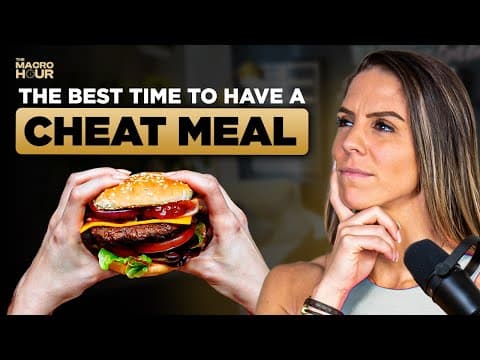 40 min
Cheat Meals vs Refeed Days: When and How to Use Them
Episode 162 · Jun 7, 2024
 40 min
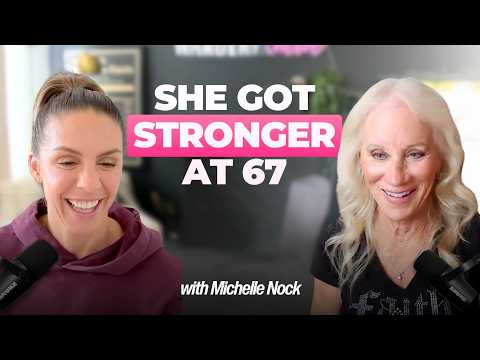
Can Eating More Help You Lose Weight After 60?
Episode 349 · Apr 3, 2026