

From 1 episode and 1 video
Are protein bars a good way to get more protein?
Answered by Nikkiey Stott and her guests · Updated
The short answer
Not usually. Nikkiey says many bars, like Clif bars, carry only about 10 grams of protein from ingredients that don't give your body the amino acid profile it needs, and a daily bar costs $60 to $90 a month. Four hard-boiled eggs and a piece of fruit give more protein for about 50 cents.
Hear Nikkiey answer it
Tap play to start right where it's answered. It keeps playing while you browse.
Nikkiey on why a 10-gram protein bar isn't enough and isn't the right protein
Plays from 15:06 · Ep. 338: Complete vs Incomplete Protein for Women Over 40
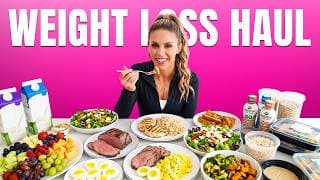
The real monthly cost of a daily protein bar versus eggs and fruit
Plays from 17:57 · Video: Cheap High-Protein Grocery List for Menopause Fat Loss
What complete protein is and which foods give you all nine essential amino acids
Plays from 4:30 · Ep. 338: Complete vs Incomplete Protein for Women Over 40
Why pre-made shakes and keto snacks cost more and deliver less
Plays from 16:27 · Video: Cheap High-Protein Grocery List for Menopause Fat Loss
The full answer
On Ep. 338, Nikkiey explains a common trap: women see 8, 10 or 12 grams of protein on a label and assume they're covered. Your body needs much more than that. For comparison, three ounces of chicken gives you about 20 to 22 grams, and four ounces about 25. That's what she means by more bang for your buck.
Quality matters too. Nikkiey explains that complete proteins contain all nine essential amino acids, the ones your body can't make on its own, and those are what fully support muscle repair, strength progression and body recomposition. She lists chicken, turkey, beef, eggs, fish, Greek yogurt, cottage cheese and whey protein. With bars like Clif bars, she says the protein isn't coming from the ingredients that give your body the amino acid profile it needs.
Then there's cost. In her cheap high-protein grocery video, Nikkiey puts a quality bar at $2 to $3, which adds up to about $60 to $90 a month as a daily habit. The same logic applies to pre-made shakes at $3 to $4 each versus about $1 a serving from a $30 to $40 tub of protein powder. She's also blunt about keto and low-carb packaged snacks: minimal protein in clean packaging, and still processed food. Her rule is that real food always wins.
What that looks like in practice, from her sample day:
- Snack: cottage cheese with a banana, around 25 grams of protein for under a dollar
- Breakfast: overnight oats with Greek yogurt and a scoop of protein powder, around 40 to 45 grams for about $1.50
If you've been leaning on bars and still not seeing results, that isn't a willpower problem. The bar was never doing the job you were counting on it to do.
From Nikkiey Stott and WarriorBabe's coaching. For education, not medical advice: talk to your doctor about your own health.
Women also ask
More questions →
Protein for Women
Why do women need more protein as they get older?
Women need more protein with age because they lose muscle every decade and their bodies get worse at turning protein into muscle, which Nikkiey calls anabolic resistance. To get the same muscle-building response as a younger woman, you need more protein, not less. Eating less to lose weight usually works against you.
Read the answer →
Protein for Women
How can I eat a high-protein diet on a budget?
Build your cart around cheap protein staples and plan ahead. Nikkiey's example day of overnight oats with Greek yogurt and protein powder, chicken thighs and rice, cottage cheese and a banana, and a ground turkey taco bowl costs roughly $7 to $8. Adding eggs, extra rice and an evening yogurt snack reaches 160 to 180 grams for under $10.
Read the answer →
Protein for Women
What is the difference between complete and incomplete protein?
A complete protein contains all nine essential amino acids, the ones your body can't make and must get from food. An incomplete protein is missing one or more. Complete sources are mostly animal-based, like chicken, eggs, fish, Greek yogurt and whey. Incomplete sources are mostly plant-based, like nuts, beans, lentils and oats.
Read the answer →
Watch or listen in full
More on this topic →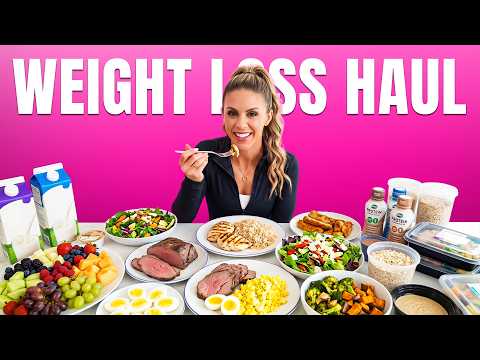 21 min
Cheap High-Protein Grocery List for Menopause Fat Loss
Video · May 9, 2026
 20 min
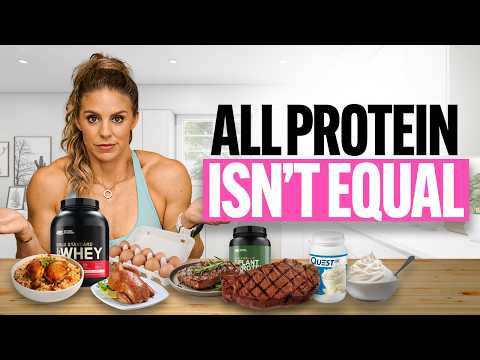
Complete vs Incomplete Protein for Women Over 40
Episode 338 · Feb 20, 2026