

From 2 videos
Does perimenopause make you tired all the time?
Answered by WarriorBabe's coaches · Updated
The short answer
Perimenopause can play a part, but the show argues it's rarely the whole story. One WarriorBabe coach explains that hormonal shifts after 40 do affect energy, yet constant dieting and long cardio sessions make it far worse. Eating enough and strength training are the show's main fixes, so it's often the plan, not you.
Hear it answered
Tap play to start right where it's answered. It keeps playing while you browse.

Why constant dieting and cardio, not just age, leave you exhausted after 40
Plays from 0:40 · Video: Always Exhausted After 40? Why Strength Training Helps
How strength training helps hormones, sleep and energy in perimenopause
Plays from 4:10 · Video: Always Exhausted After 40? Why Strength Training Helps

How eating enough of the right foods lifts midday energy and tiredness
Plays from 3:47 · Video: 5 Benefits of Tracking Macros: Energy, Muscle, Recovery
The full answer
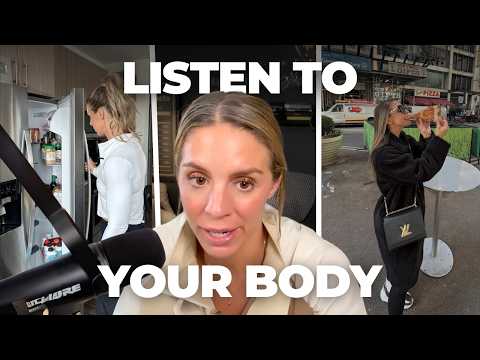
One WarriorBabe coach puts it bluntly: you're not exhausted because of your age. You're exhausted because of all the cardio and constant dieting. She acknowledges that hormonal shifts after 40 start to tank your energy, but says under-eating sets off a chain reaction. Cravings and blood sugar swings lead to overeating, guilt and starting over. Poor fueling disrupts sleep and recovery, which further worsens your hormones and energy. Add long cardio sessions on top of that and it gets harder to sleep well, build muscle or feel like yourself.
She also describes the day-to-day struggles many women notice in perimenopause and menopause: mood swings, restless nights even when you're exhausted, low drive and stubborn belly fat. Her point is that these aren't signs your body is broken. They're often signals that hormones like cortisol and estrogen are out of balance. If you're dealing with these symptoms, it's worth talking them through with your doctor as well.
What the show recommends instead:
- Strength training. The coach says muscle acts as your body's energy reserve. She adds that lifting improves blood sugar regulation, supports better sleep, lowers cortisol and boosts dopamine. She notes that women who strength train often see the biggest improvements in sleep, energy and confidence.
- Eating enough. Another episode on tracking macros says protein, carbs and fats all provide the energy your body needs. Many women arrive at WarriorBabe tired by midday and not sleeping well. Once they fed their bodies what they needed, their energy rose dramatically.
So if you've been eating less and doing more cardio to fight the fatigue, the show's message is that the approach may be draining you. Your body isn't failing.
From WarriorBabe's coaches (how we write our answers). For education, not medical advice: talk to your doctor about your own health.
Women also ask
More on Hormones & Hormone Health →
Hormones & Hormone Health
How can I balance my hormones naturally after 40?
On The WarriorBabe Show, supporting your hormones after 40 starts with your routine, not willpower. That means consistent strength training, walking instead of punishing cardio, real recovery and lower stress, and eating enough, especially protein at every meal. The episodes frame this as supporting your body, not fixing a broken one. For symptoms or medications, work with your doctor.
Read the answer →
Hormones & Hormone Health
Why are my lab results normal when I feel awful?
Often because normal isn't the same as optimal. Nikkiey explains that standard lab ranges come from population averages wide enough to include about 95% of people, including those who are unhealthy, insulin resistant, sedentary or already symptomatic. Basic panels also tend to leave out key markers, like a full thyroid panel or testosterone.
Read the answer →

Hormones & Hormone Health
What is metabolic flexibility?
Metabolic flexibility is your body's ability to run on fat for energy and then easily switch to burning carbs after a carb-containing meal or during hard effort. On The WarriorBabe Show, Lumen co-founders Michal and Merav link it to healthy mitochondria and to lower risk of obesity, insulin resistance and other chronic disease.
Read the answer →

Hormones & Hormone Health
Why am I always bloated?
Most of the time, Nikkiey says, constant bloating comes down to two things: you ate too much in one sitting, or you ate something your body can't break down well. Excess gas, swallowed air, stress and hormonal changes around your cycle can add to it, and often it's several of these at once.
Read the answer →
Hormones & Hormone Health
Does birth control cause weight gain?
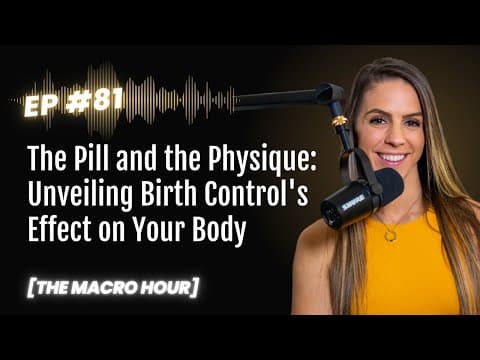
Usually not by much. On Ep. 81, Nikkiey says studies suggest birth control doesn't cause significant weight gain. It can be one variable because it affects hormones, but she sees it as rarely the main reason. Diet, alcohol, sleep, water and daily movement usually weigh more heavily.
Read the answer →

Hormones & Hormone Health
Can stress stop me from losing belly fat?
Yes, according to Nikkiey. On The WarriorBabe Show she explains that chronic stress keeps cortisol elevated, which she says increases fat storage around the midsection and drives cravings for comfort foods. Even with solid macros and training, a body stuck in survival mode can hold on to fat, so managing stress becomes part of the plan.
Read the answer →
Watch or listen in full
More on this topic → 6 min
5 Benefits of Tracking Macros: Energy, Muscle, Recovery
Video · Jan 12, 2024
 8 min
Always Exhausted After 40? Why Strength Training Helps
Video · Jan 17, 2026