

Article6 min read
The Best Personal Trainer for Women Over 50: What to Look For
By WarriorBabe ·
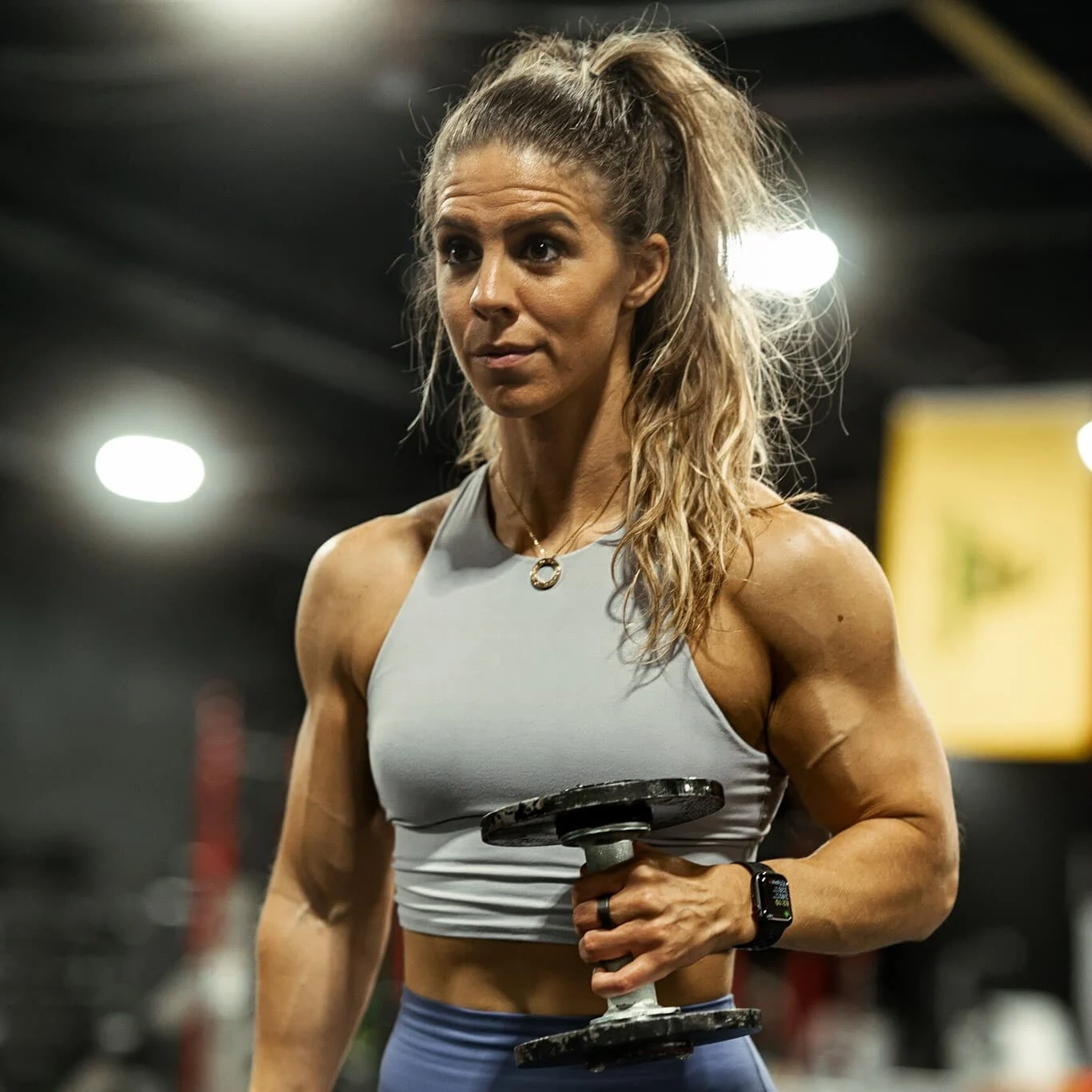
The short answer: the best personal trainer for a woman over 50 puts lifting weights at the center, makes sure you eat enough (many of the women we coach come in eating too little), plans around menopause, sleep and old injuries, and has one person who changes your plan when you stall. Hours of cardio, classes five days a week and a 1,200-calorie target are what most of the women below were already doing when they came to us. None of it changed their bodies.
You're not the problem, and your age isn't either. You can build muscle at 50, 60 and beyond. What usually goes wrong is the method: a plan built for someone younger, or a trainer who only sees you in the gym.
What women over 50 were doing before it worked
These are WarriorBabe clients in their 50s and 60s, in their own words on the WarriorBabe podcast. Look at how much work they were already putting in:
| Who | What she was doing | What happened |
|---|---|---|
| Sandra, 61 | Three personal trainers, workouts twice a day, miles of running, clean eating | Exhausted, body not changing (ep. 292) |
| Laura, 58 | Orangetheory five days a week and a personal trainer twice a week, on 900 to 1,100 calories | Couldn't lose 15 pounds, wasn't sleeping, hips ached (ep. 230) |
| Melissa, 58 | Barre and about five miles of walking a day, on roughly 1,200 to 1,500 calories, for three years | Nothing changed (ep. 312) |
| Erin, 51 | Clean eating, extra cardio, four workouts a week | Still gaining about a pound a week (ep. 357) |
| Leynise, 53 | Very active, eating clean but not enough | Always exhausted, "skinny fat" (ep. 341) |
| Johanna, 62 | A former personal trainer, stacking spin on top of Pilates six or seven days a week, after two knee replacements | Nothing she knew still worked (ep. 336) |
Several of them already had personal trainers. What they didn't have was a plan that matched a body over 50: enough food, real lifting, and rest.
What to look for in a personal trainer over 50
1. Lifting weights at the center, with progressive overload
Barre, Pilates, walking and classes have a place, but they weren't what changed these women's bodies. Johanna found Pilates five or six times a week wasn't enough; adding weight training was the missing piece for the muscle she'd lost (ep. 336). Erin stopped grabbing the same weights every class and learned progressive overload, adding weight or reps over time, which she says made the difference (ep. 357). Ask any trainer what a typical week looks like. If it's mostly cardio or classes, keep looking.
2. Enough food, not less
This is where most plans for women over 50 go wrong. In Nikkiey Stott's view, you can't drop body fat eating 900 calories; eating more is how you wake your metabolism back up (ep. 341). Melissa's coach raised her to 1,900 and then just under 2,000 calories (ep. 312). At 52, Erin eats about 2,000 calories a day and looks and feels better than she has in decades (ep. 357). Laura was eating 2,000 calories without gaining weight by her third month (ep. 230). A trainer who starts you on 1,200 calories is repeating what didn't work.
3. One plan, from one person, that changes as you do
Sandra's trainers kept giving her different calorie numbers, 1,800 one time and 1,600 the next. A consistent plan from one coach is what finally worked (ep. 292). Erin found a generic online macro calculator didn't work for her, and even her own numbers changed over time (ep. 357). Look for someone who reviews your progress every week and adjusts your numbers, not a PDF that stays the same.
4. Rest and recovery in the plan
More isn't better after 50. Learning to take rest days was one of Johanna's biggest shifts (ep. 336). As Laura's food went up and her training came down to two or three lifting days a week, her aches eased and her sleep improved (ep. 230). A good trainer will sometimes tell you to do less.
5. A plan that works around your joints
Old injuries and replaced knees aren't a reason to stop. Johanna rebuilt her strength at 62 after two total knee replacements (ep. 336). While Leynise waited three months for knee surgery with very little activity, her coach kept her macros the same and she didn't gain a pound (ep. 341). Ask how a trainer modifies exercises and what happens to your plan if you're hurt.
6. Cardio in its place
Even while Erin trained for Machu Picchu and Kilimanjaro, her coach kept her to 20 to 30 minutes of general cardio twice a week alongside her strength program (ep. 357). Cardio supports the plan; it isn't the plan.
7. Honesty about time
Laura's first goal wasn't weight loss at all: it was repairing her metabolism, and she committed to a full year because decades of dieting weren't going to be undone in 90 days (ep. 230). Luisa, 51, spent much of her first year at maintenance while her coach slowly raised her food, and saw it first in clothes that fit better and less bloating (ep. 261). Be wary of anyone who promises a number by a date.
A personal trainer for menopause
A trainer for perimenopause and menopause doesn't need a special certificate. They need to plan for what's changing: muscle and strength first, sleep and recovery that vary week to week, and fat that settles around the middle, which usually calls for more muscle and enough food rather than fewer calories and more cardio. Hormone therapy and medication are your doctor's call; a good trainer works alongside that care. For the exercises themselves, see the best strength exercises for women in menopause, and for why muscle matters more each decade, why building muscle is key to aging well.
Questions to ask before you hire one
| Ask | A good answer sounds like |
|---|---|
| What does a typical week look like? | Mostly strength training, a set number of days, with rest days built in |
| How do you set my calories and protein? | From your history and your numbers, not a standard 1,200-calorie plan |
| What do you change when I stall? | A clear next step, decided by the same person every time |
| How do you handle menopause, poor sleep and injuries? | Specifics, and that they work alongside your doctor |
| How many of your clients are over 50? | A real number, and stories from women your age |
| What does it cost, and for how long? | A straight answer before you pay |
More questions, the red flags, and how a coach, an app and an in-person trainer compare: how to choose an online fitness coach after 40. What each option costs: how much an online personal trainer costs.
WarriorBabe for women over 50
Every woman above is a WarriorBabe client: 1:1 online coaching built only for women over 40, with your own coach, personal macros, strength training built around your body, equipment and schedule, and weekly check-ins. See how WarriorBabe coaches women over 50, meet the coaches, or hear more stories from women your age in client stories.
Questions women ask
Can a woman build muscle after 50?
Yes. Sandra, in her 60s, added half an inch to her biceps in a seven-month build phase eating 2,400 calories (episode 292), and Johanna rebuilt her strength at 62 after two knee replacements by adding weight training to her Pilates (episode 336).
How many days a week should a woman over 50 lift weights?
It depends on your schedule and recovery, and your coach should set it. As examples from the podcast: Erin, 52, works out four days a week for 40 minutes to an hour (episode 357); Johanna, 62, lifts three days (lower body, upper body, full body) with Pilates on two others (episode 336); Laura came down to two or three lifting days a week and her aches eased (episode 230).
How many calories should a woman over 50 eat?
There's no single number, which is why your coach should set and adjust it. But most of the women on the podcast were eating far too little before. Melissa went from roughly 1,200 to 1,500 calories to just under 2,000 (episode 312), Erin eats about 2,000 at 52 (episode 357), and Laura reached 2,000 without gaining weight by her third month (episode 230).
Is cardio or weights better for women over 50?
Weights first. Three years of barre and walking about five miles a day didn't change Melissa's body; returning to weight training did (episode 312). Erin's coach kept her cardio to 20 to 30 minutes twice a week even while she trained for Kilimanjaro (episode 357).
Do I need a personal trainer in person, or is online enough?
For most women, online works as long as your coach reviews your form on video and checks in every week. In person is better for hands-on technique work, but it usually costs more and often doesn't include your food.
From WarriorBabe's coaches. For education, not medical advice: talk to your doctor about your own health.
This article is part ofChoosing a CoachWork out yours
Up next
More like this →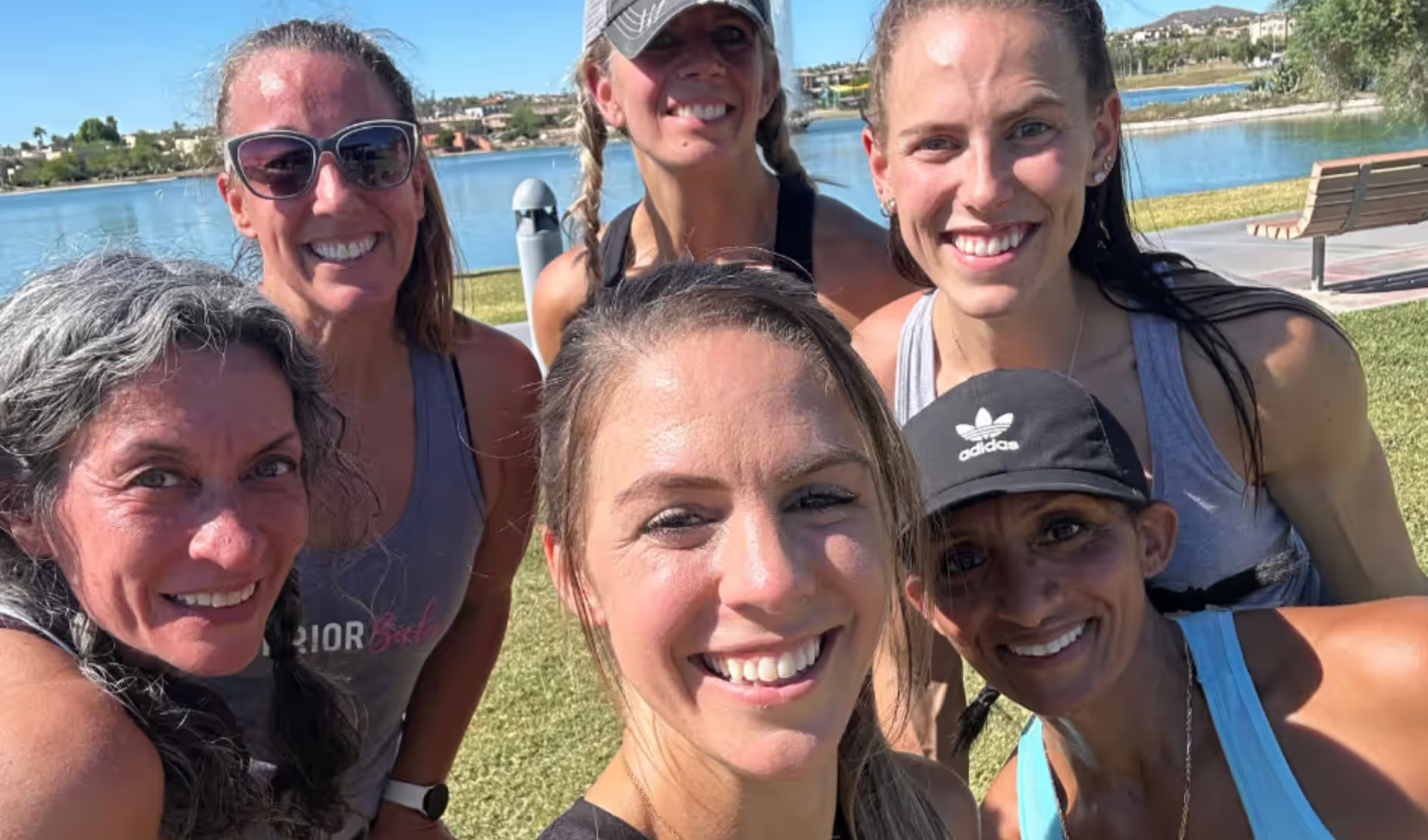 11 min read
How to Choose an Online Fitness Coach After 40
Article · Oct 31, 2026
 14 min
6 Dumbbell Exercises to Build Muscle During Menopause
Video · Oct 3, 2026
 8 min
How to Get Rid of Batwings After 40: 2 Exercises
Video · Mar 14, 2026