

Chapters
In this video
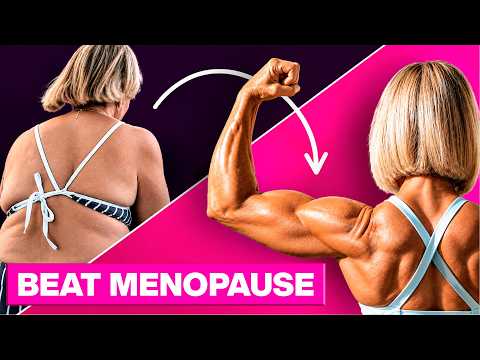
Maggie spent 30 years as the cardio person. She taught fitness classes from age 16, ran marathons and triathlons, and lost and regained the same 60 pounds five times. Getting lean usually cost her health and peace of mind. When menopause arrived around 47, the approach stopped working. The weight wouldn't move, her hair was falling out, she had gut issues and constant bloating, and she woke up exhausted even after eight hours of sleep.
She made three changes. First, she stopped cardio cold turkey, which she says reduced the stress load on her body and gave her real recovery for the first time in years. Second, she made strength training the center of her week. Her son pushed her to lift heavier, and she went from 15 to 20 hours of exercise a week to three or four. Third, she stopped eating as little as possible. Instead of living on half a protein bar every two hours, she stopped tracking everything except protein.
At 52, she eats around 2,500 calories a day with more than 150 grams of protein, including rice, potatoes and fruit, and says she is the leanest she has ever been. Her view is that once she had more muscle, less stress and enough food, fat loss stopped being something she had to force.
Key takeaways
- Maggie stopped cardio cold turkey when her menopause weight wouldn't move, even though she was afraid all her progress would disappear.
- In Maggie's view, high-volume cardio added more cortisol to a body already handling stress less well after estrogen dropped in menopause, and that worked against fat loss around her belly.
- She made strength training her main form of exercise and lifted heavier than she thought she could, pushing for a few more reps whenever she felt at her limit.
- She cut her exercise from 15 to 20 hours a week to three or four hours and says she looked better than ever.
- She gave herself permission to rest and recover, and her bloating, puffiness and constant soreness faded while her energy after workouts came back.
- Instead of tracking everything, she tracked only protein, and she felt less guilty knowing she was actually fueling her body.
- She went from about 800 calories a day to around 2,500, with more than 150 grams of protein and carbs like rice, potatoes and fruit.
- She wishes she had changed her eating at the same time she dropped cardio, because she believes she would have seen progress much faster.
Questions answered
Can you lose weight in menopause without tracking calories or macros?
Maggie lost 60 pounds in menopause after she stopped tracking everything and tracked only protein. She now eats around 2,500 calories a day with more than 150 grams of protein and says she is the leanest she has ever been.
Can too much cardio make menopause belly fat worse?
Maggie explains that when estrogen drops in menopause, the body's ability to handle stress drops too and cortisol rises. In her view, high-volume cardio adds even more cortisol, which she says encourages fat storage around the belly.
What should I do instead of cardio to lose weight in menopause?
Maggie replaced cardio with strength training and pushed herself to lift heavier than she thought she could. She says this is what completely changed her body composition.
How many hours a week did Maggie work out to lose 60 pounds?
She went from about 15 to 20 hours of exercise a week to three or four hours of strength training. She says she looked better than she ever had.
Is it a mistake to stop cardio completely?
Maggie stopped cardio cold turkey, with no tapering, and says every part of her felt like it was a mistake. Instead, her inflammation, bloating and soreness faded, her sleep and recovery improved, and she had energy after workouts for the first time in years.
Full transcript
Maggie: My name is Maggie, and I've lost and gained the same 60 pounds five times in my life. I've run marathons, done triathlons and taught fitness classes since I was 16 years old. But just like 90% of women who hit menopause, everything fell apart. I became the fattest, the sickest and the most depressed I had ever been in my entire life. And yet I was still able to lose 60 pounds and feel better than I ever have at 52, without ever obsessing over every single thing I ate. Let's get started.
Before I became a nationally certified integrative health coach, I was just a girl who was completely in love with fitness. I started teaching at 16, and from that moment on I was always the cardio person. I was the one who showed up, put in the hours, did the work. By my mid-40s, I was still constantly moving, going, going, going all the time. My days felt validated if I was moving, and I could get fairly lean. That was never really a problem for me.
The problem was that every single time I lost the weight, I usually lost my health with it. You might have experienced this yourself. A lot of times I would start sacrificing my mental health to be as small as I could be. I would think about food constantly. I genuinely believed that's just what it took, and that I had to suffer in order to maintain the body that I loved.
But then menopause came at about 47, and everything I'd been doing for 30 straight years stopped working. Weight that wouldn't move no matter what I did. My hair started falling out. I had gut issues that made me feel sick, bloated and in pain constantly. Sleep that left me exhausted even after eight hours. I realized that I had to stop what I was doing. The opposite of what everyone told me was what my body was actually asking for.
That meant getting rid of the one thing most women swear is the key to staying lean: the cardio that was making everything worse. I stopped cardio cold turkey, without tapering or a gradual cutback, and every part of my body was screaming that I was making a mistake. For years I believed that if I stopped moving, everything would just fall apart, and that's what most other women believe as well.
But here's what no one mentions about what really happens inside your body during menopause. When those hormones started to drop, everything shifted. My body shifted. I had weight that I'd never seen before. When estrogen drops in menopause, your ability to handle stress drops right along with it. Cortisol rises, and cortisol stores fat, especially around your belly. High-volume cardio floods your body with even more cortisol. Muscle mass starts declining rapidly, which slows your metabolism. I had moments in my life where I felt so depressed and out of control that the thought of not waking up in the morning sounded like a relief to me.
I thought cutting out cardio would make everything worse, and that all the progress I'd fought so hard for would just disappear. But the moment I cut it out, here's what happened. I stopped being so obsessed with moving every second of the day. Being able to sit on the couch and rest felt like such a relief. I had never felt that freedom before. I was able to let my body recover, so that I felt good and energetic the next day. I could recover during the night, wake up feeling good in the morning, and have energy for the things I really wanted to do. The chronic inflammation started to fade, and the bloating, puffiness and constant soreness began to go. I actually had energy after working out for the first time in many years.
But just removing cardio is not enough. You need to properly fuel your body as well. This is something I wish I had figured out sooner, because if I had changed the way I was eating at the same time, I would have seen progress so much faster. Take Linda, for example. She came to us, went through the Macro Method, and finally figured out exactly what her body needed to start fueling itself properly and losing weight. And she is not alone. Over 20,000 women have used it to stop guessing and finally start feeling like themselves again. The link is in the description.
But now, let's talk about what I replaced cardio with. This is the thing that completely changed my body composition. Strength training became everything. I had always lifted weights, but before 47, lifting was something I just kind of squeezed in after a long cardio session. When I stopped cardio, my son started pushing me to lift. Really lift. Every time I thought I was at my limit, he'd say, "You can go heavier. You can do three more." And he was right. I started learning how strong I really was and what my body was actually capable of.
Within three months of switching to strength training, I started coming off my antidepressants. People started stopping me: "What are you doing? You look ripped." I had never heard those words used to describe my body in my life. My goal changed completely. I stopped trying to be skinny. I just wanted to feel good, to feel healthy. And for the first time in my adult life, I actually felt it.
I went from working out about 15 to 20 hours a week to three to four hours. I was working out 20 to 25% of what I used to, and I looked better than I ever had in my life. I was finally working with my body, which is one of the biggest factors in my being able to lose over 60 pounds.
But by far the biggest and most surprising shift was changing the way I ate. For years, my approach to food was simple: eat as little as possible, burn as much as possible. I found myself cutting protein bars in half and eating half a protein bar every two hours just to maintain about 800 calories a day.
The shift that changed everything was so simple it almost sounds stupid. I stopped tracking everything. I started tracking just protein. I found myself feeling less guilty knowing that I was actually fueling my body, especially when I started to notice the way I felt physically, emotionally and mentally. Today I eat around 2,500 calories a day, over 150 grams of protein, with rice, potatoes and fruit, and I'm the leanest I've ever been in my life.
More muscle meant a better metabolism. I was burning more calories at rest without doing anything extra. Less stress meant better hormones. Cortisol dropped, and my body finally stopped storing fat. More food meant stable energy and blood sugar. The crashes stopped. The cravings faded. Fat loss stopped being something I had to force. It became a natural side effect of how I was living.
Now, if you've been struggling to figure out what actually works for your body, that's exactly why the Macro Method was built. This is the same framework I used to finally stop guessing about food, stop starving myself and start eating in a way that actually supported my body instead of fighting it. It has helped over 20,000 women stop obsessing over every meal and finally start seeing results without giving up the food they love. Debbie, for example, lost over 20 pounds within 18 months. So if you're ready to take the first step, the link is in the description.
Thanks for watching.
Up next
Everything →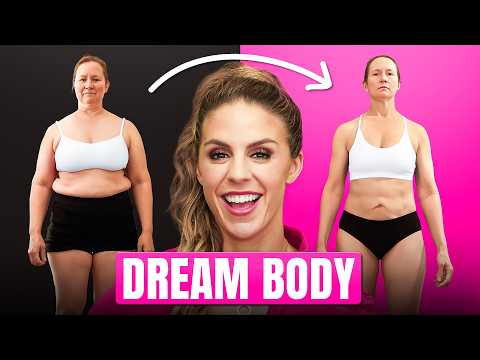 29 min
Getting Stronger in Perimenopause: A Real Woman's Story
Episode 333 · Feb 2, 2026
 17 min
Swapping Pilates and Spin for Lifting at 62: Johanna's Story
Video · Sep 2, 2026
 15 min
Quit Cardio, Ate More, Lost 60 Pounds in Menopause
Video · Oct 12, 2026
Best of Menopause & Perimenopause Weight Loss
All 75 → 55 min
Lifting, Under-Eating and Perimenopause: Truths After 40
Episode 300 · Oct 6, 2025
 1 hr 1 min
Early Perimenopause Signs Women Over 40 Should Know
With Dr. Jolene Brighten
 1 hr 0 min
How Menopause Changes Your Metabolism and Fat Burning
With Michal and Merav