

From 1 episode
Why do I crave sweets before my period or in perimenopause?
Answered by Nikkiey Stott · Updated
The short answer
Nikkiey explains that in the two weeks before your period, serotonin naturally drops, and your brain often tries to make up for it by driving carbohydrate cravings. In perimenopause and menopause, fluctuating and declining estrogen affects appetite regulation and dopamine sensitivity, so food noise often gets louder. It's hormonal chemistry, not a lack of willpower.
Hear it answered
Tap play to start right where it's answered. It keeps playing while you browse.
Nikkiey on the serotonin drop before your period that drives carb cravings
Plays from 20:39 · Ep. 376: Why Can't I Stop Thinking About Food? Food Noise After 40
Why food noise gets louder in perimenopause and when to check your hormones
Plays from 21:24 · Ep. 376: Why Can't I Stop Thinking About Food? Food Noise After 40
Nikkiey on the most common, counterintuitive driver of food noise
Plays from 0:21 · Ep. 376: Why Can't I Stop Thinking About Food? Food Noise After 40
The full answer
On Ep. 376 of The WarriorBabe Show, Nikkiey explains that estrogen and progesterone both influence how your appetite is regulated and how your brain's dopamine signaling responds to food. In the luteal phase, the two weeks before your period, there is a natural dip in serotonin. Your brain often tries to compensate, and that shows up as a pull toward sweets, chocolate and other carbs. If you have noticed that pattern month after month, she says this is why, and it has nothing to do with being weak or lacking self-control.
Perimenopause adds another layer. Nikkiey notes that women in perimenopause and menopause often report a dramatic increase in food noise, which she ties directly to fluctuating and declining estrogen and its effect on appetite regulation and dopamine sensitivity. So if cravings have gotten louder as you've gotten older, you're not imagining it, and it isn't a character flaw.
What to do with that:
- Notice timing. If your food noise gets significantly louder at specific times of the month, or has worsened with age, Nikkiey says it's worth looking into.
- Bring it to your doctor. She suggests having the hormone conversation with your doctor and getting your hormones checked, rather than trying to white-knuckle it.
- Don't overlook the basics. In the same episode, Nikkiey points to protein as a fix for part of what drives food noise, and says not eating enough is the most common driver, one most women miss because it feels counterintuitive to eat more when you can't stop thinking about food.
The takeaway: cravings that follow your cycle or your stage of life are a signal about your physiology and your plan, not proof that something is wrong with you.
From WarriorBabe's coaches (how we write our answers). For education, not medical advice: talk to your doctor about your own health.
Women also ask
More on Food Noise, Cravings & Overeating →
Food Noise, Cravings & Overeating
Why do I think about food all the time?
Most often, it's because you're not eating enough. Nikkiey Stott explains that when your body senses too few calories or too little protein, hunger signals like ghrelin get louder and more intrusive. She calls this food noise and stresses it's a signal from your body, not a character flaw. Years of diet rules can also blur your hunger cues.
Read the answer →
Food Noise, Cravings & Overeating
Do I need a GLP-1 to quiet food noise?
Not necessarily. Nikkiey's view on Ep. 376 is that GLP-1s are tools that can help some people, such as those who are very overweight, but many women can quiet food noise without them by eating enough, eating more protein, front-loading it earlier in the day and eating consistent meals.
Read the answer →

Food Noise, Cravings & Overeating
Does eating more protein reduce cravings?
Yes. On The WarriorBabe Show, Nikkiey explains that protein is the most satiating macronutrient and suppresses the hunger hormone ghrelin better than carbs or fat, so hunger signals come less often and with less intensity. Dietitian Abbey Sharp adds that pairing protein with fiber and healthy fats curbs both emotional and physical cravings.
Read the answer →
Food Noise, Cravings & Overeating
Should I cut out the foods I crave completely?
No. Nikkiey Stott says cutting out the foods you crave usually backfires: the more you forbid a food, the louder it gets, until you eat it anyway and spiral. Instead, she recommends planning those foods into your plan in moderation, so they lose their power and you can enjoy them without guilt or losing progress.
Read the answer →
Food Noise, Cravings & Overeating
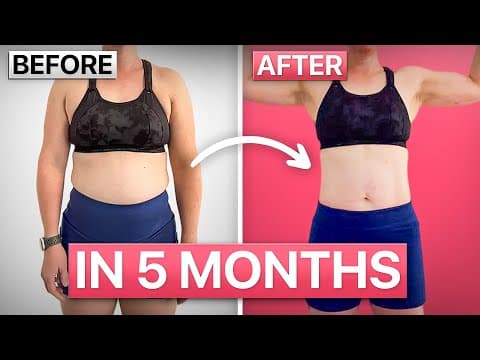
Do sugar cravings ever go away?
For many women, yes, they fade a lot. On The WarriorBabe Show, Nikkiey and her clients describe daily sugar cravings dropping once they ate enough, especially protein, and cut back on sugar over time. Sweets don't have to disappear. They stop running the show, so you can enjoy them in balance.
Read the answer →

Food Noise, Cravings & Overeating
Why do I get cravings at night?
According to Nikkiey, night cravings usually mean you under-fueled during the day, most often by not eating enough protein. She says it's rarely a willpower problem. Skimp on protein and overall food, and your hunger and blood sugar get out of balance, so by evening your body is asking for everything at once.
Read the answer →
Watch or listen in full
More on this topic → 28 min
Why Can't I Stop Thinking About Food? Food Noise After 40
Episode 376 · Jul 6, 2026