

From 1 episode
What is survival mode and how do I get my body out of it?
Answered by Nikkiey Stott and her guests · Updated
The short answer
Survival mode is what Nikkiey calls your body adapting when it senses an unsafe environment. Chronic under-eating, overtraining and stress signal it to slow your metabolism and hold on to fat. To get out, she says to feed it protein, carbs and healthy fats, sleep around eight hours, strength train instead of overtraining, and manage stress.
Hear Nikkiey answer it
Tap play to start right where it's answered. It keeps playing while you browse.
Nikkiey explains what survival mode is and why under-eating and overtraining trigger it
Plays from 10:49 · Ep. 311: Is My Metabolism Broken? Why Your Body Holds On to Fat
Why eight hours of sleep and smart strength training help your body recover
Plays from 27:39 · Ep. 311: Is My Metabolism Broken? Why Your Body Holds On to Fat
Why you can't live in fight or flight and expect to lose fat, plus easy stress tools
Plays from 28:31 · Ep. 311: Is My Metabolism Broken? Why Your Body Holds On to Fat
The full answer
On Ep. 311 of The WarriorBabe Show, Nikkiey describes survival mode as your body knocking on the door and saying this environment isn't safe right now, so it needs to adapt. If you're constantly under-eating, it slows your metabolism to conserve energy and keep you alive. If you're overtraining, it holds on to fat because you've signaled physical stress. She draws a clear line here: training can create a healthy kind of stress, but moving more while eating less is the combination that tells your body to protect its fat stores. Your body isn't broken. It's responding to the plan you gave it.
Her way out comes down to a few non-negotiables:
- Feed it. Eat protein, carbs and healthy fats. You don't need to earn your food with workouts. You eat so you can train for strength and longevity.
- Rest it. Nikkiey says eight hours of sleep isn't selfish and calls it hormonal therapy, because the stages of sleep support your body's recovery.
- Train smart. Lift and build your body up rather than breaking it down with too much cardio or training seven days a week.
- Manage stress. Your body doesn't distinguish between a hard workout, a busy job and emotional chaos. It all looks the same internally, and you can't live in fight or flight and expect to lose fat and build muscle.
For stress, she keeps it simple: meditation, deep breathing, prayer, walking outside, journaling or just sitting in silence. And she asks you to give yourself grace. If you've spent years ignoring your body, it will take time to rebuild that trust, so patience is part of the plan. If you suspect something medical is going on, bring it to your doctor alongside these habits.
From Nikkiey Stott and WarriorBabe's coaching. For education, not medical advice: talk to your doctor about your own health.
Women also ask
More questions →
Metabolism, Eating More & Reverse Dieting
Is my metabolism broken from years of dieting?
No. Nikkiey's view is that your metabolism isn't broken, it's down-regulated. After years of eating too little, your body adapts to survive on less: it burns fewer calories at rest, moves less, raises hunger and holds on to fat. What adapted can readapt once you change the environment it's responding to.
Read the answer →
Metabolism, Eating More & Reverse Dieting
Will I gain weight when I start eating more?
Probably a little, and that's expected. Nikkiey explains that when you start eating more during a retrain or reverse diet, your weight will usually fluctuate about two to five pounds from water, glycogen, food volume and salt, not fat. If the gain keeps climbing or holds around five pounds, the increase was likely too fast.
Read the answer →
Metabolism, Eating More & Reverse Dieting
Can you lose weight by eating more?
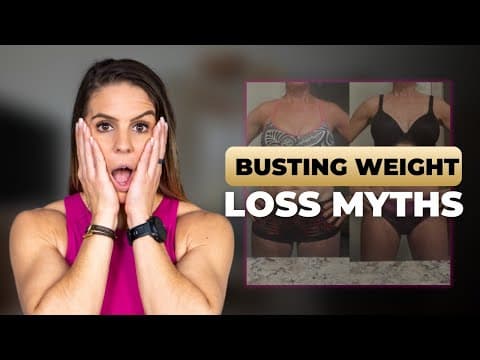
Yes, according to The WarriorBabe Show. Nikkiey says almost every WarriorBabe success story involves eating more food, and members like Amy, Debbie, Lisa and Erin lost weight after raising their calories from chronic lows. The key, she explains, is eating enough to fuel strength training and build muscle, which is active tissue that burns calories even at rest.
Read the answer →
Watch or listen in full
More on this topic → 32 min
Is My Metabolism Broken? Why Your Body Holds On to Fat
Episode 311 · Nov 14, 2025