

From 2 episodes
Is it normal to feel like I'm eating too much when I start eating more?
Answered by Nikkiey Stott and her guests · Updated
The short answer
Yes, it's normal. On The WarriorBabe Show, women who spent years under-eating describe the same reaction when they started eating more: this can't be right. Kristi wondered if she really had to eat that much, and Erin hit the end of the day still needing carbs. Both trusted the process, and both say it paid off.
Hear Nikkiey answer it
Tap play to start right where it's answered. It keeps playing while you browse.
Erin on how hard it felt to climb to 2,000 calories after under-eating
Plays from 18:39 · Ep. 357: Can't Lose Weight After 50? What Finally Worked for Erin
Kristi on learning to eat enough and realizing she'd been malnourished
Plays from 32:26 · Ep. 255: How to Stop Tying Your Worth to the Scale After 50
Kristi on seeing food as energy and macros as fuel, not guilt
Plays from 35:40 · Ep. 255: How to Stop Tying Your Worth to the Scale After 50
The full answer
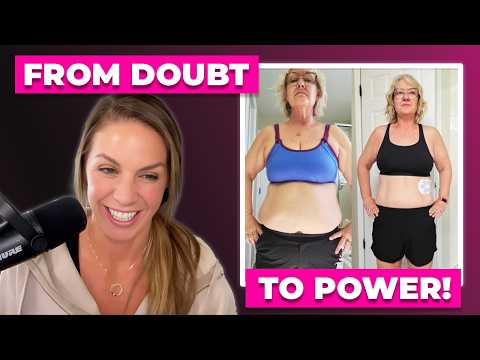
If you came up through fat-free diets, clean eating and constant restriction, a proper amount of food is going to feel like a lot. That isn't a sign the plan is wrong. It's a sign of how little you were eating before. On Ep. 255, WarriorBabe Kristi says her first thought was, "Do I really have to eat this much?" Looking back, she realized she had been so under-eating that she was probably an overweight, malnourished person.
On Ep. 357, Erin describes climbing up to 2,000 calories as hard. She wasn't planning her day ahead yet, so she'd get to the end of the evening and realize she still needed another 20 grams of carbs and think, how am I getting more food in my body, this can't be right. Nikkiey's response was simple: trust the process. Erin did, worked back up to maintenance, then ran a cut. What made it easier over time was getting a planning system down so the food was mapped out rather than scrambled for after dinner.
What's on the other side is worth noticing. Both women talk about it as freedom rather than more rules:
- Kristi says learning to eat enough to give her body what it needs was a bigger win than the lifting itself, and she credits it with better energy, moods and sleep.
- She no longer sees food as bad. She sees it as energy, and hitting her macros as giving her body what it needs to function.
- Her everyday activity went up, and she now gets around 11,000 steps a day.
- Erin says she feels strong, with muscle she can feel in daily life.
So if eating more feels uncomfortable right now, that's expected. Plan your food the night before, lean on your coach, and give it time. It's the old plan that failed you, not your body.
From Nikkiey Stott and WarriorBabe's coaching. For education, not medical advice: talk to your doctor about your own health.
Women also ask
More questions →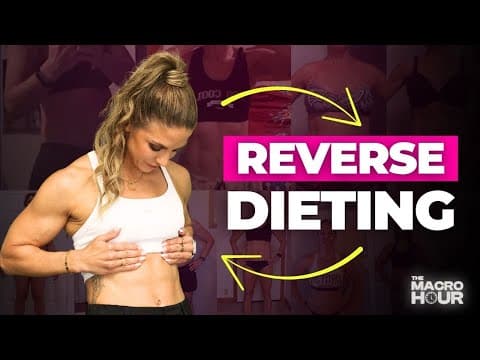
Metabolism, Eating More & Reverse Dieting
Will I gain weight when I start eating more?
Probably a little, and that's expected. Nikkiey explains that when you start eating more during a retrain or reverse diet, your weight will usually fluctuate about two to five pounds from water, glycogen, food volume and salt, not fat. If the gain keeps climbing or holds around five pounds, the increase was likely too fast.
Read the answer →
Metabolism, Eating More & Reverse Dieting
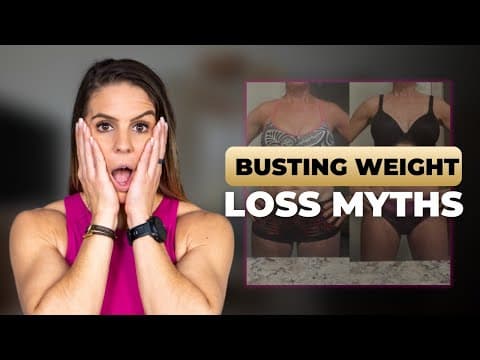
Can you lose weight by eating more?
Yes, according to The WarriorBabe Show. Nikkiey says almost every WarriorBabe success story involves eating more food, and members like Amy, Debbie, Lisa and Erin lost weight after raising their calories from chronic lows. The key, she explains, is eating enough to fuel strength training and build muscle, which is active tissue that burns calories even at rest.
Read the answer →
Metabolism, Eating More & Reverse Dieting
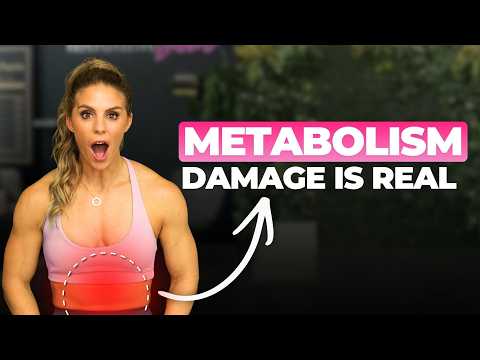
How long does it take to repair your metabolism?
It depends on how adapted your metabolism is. Nikkiey's ranges: about six to 12 weeks for mild adaptation after a few months of moderate dieting, closer to three months after a year or more of restriction, and six months to a year after many years of chronic dieting. Your body's response sets the timeline, not a calendar.
Read the answer →
Watch or listen in full
More on this topic →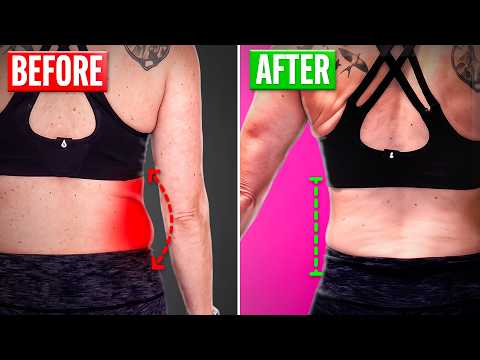 41 min
Can't Lose Weight After 50? What Finally Worked for Erin
Episode 357 · May 1, 2026
 45 min
How to Stop Tying Your Worth to the Scale After 50
Episode 255 · May 2, 2025