

From 1 episode and 3 videos
Can a woman over 50 lose weight eating 2,000 calories a day?
Answered by Nikkiey Stott and her guests · Updated
The short answer
Yes. The WarriorBabe Show says many women over 50 can see results eating close to 2,000 calories. On Ep. 312, Melissa, 58, eats about 1,900 calories a day, and her clothes are looser while she sets gym personal bests. Nikkiey herself went from aiming for 800 calories a day to eating almost triple that.
Hear Nikkiey answer it
Tap play to start right where it's answered. It keeps playing while you browse.
Why eating 1,900 calories at 58 is rare, and what most women eat instead
Plays from 20:42 · Ep. 312: Not Losing Weight With Barre and Walking After 50?

Nikkiey on going from 800 calories a day to eating almost triple that
Plays from 4:37 · Video: 4 Routine Changes to Balance Hormones and Lose Fat After 40
Melissa, 58, on looser clothes and gym PRs while her scale holds steady
Plays from 28:45 · Ep. 312: Not Losing Weight With Barre and Walking After 50?

Nikkiey shows what 2,000 calories of food actually looks like
Plays from 19:00 · Video: How to Plan a 150g Protein, 2,000 Calorie Day in Advance

Nikkiey at 52 on why 1,800 to 2,000 calories fits maintenance and muscle
Plays from 12:58 · Video: Full Day of Eating at 52 in Menopause: Meals and Workout
The full answer
Nikkiey's own story is the starting point. She explains that for years her daily goal was about 800 calories and she was terrified of carbs. She thought that was discipline, but says it kept her body stuck in survival mode, and that no amount of cutting can override your biology. Today she eats almost triple that, around 150 grams of protein a day, mostly whole foods, without obsessing over every bite. In her full day of eating at 52 and in menopause, she ends between 1,800 and 2,000 calories, which she calls right for someone in maintenance who is still building muscle.
On Ep. 312, Melissa, 58, shares what eating about 1,900 calories looks like. Nikkiey points out that not many 58-year-olds can say that, since most women eat around 1,000 to 1,200 calories a day. One nuance worth knowing: Melissa says her scale weight has stayed around 150 to 151 pounds, yet her clothes feel looser and she is hitting personal bests every gym session, with her back lifts going from barely 50 pounds to 110 for eight to ten reps. So results at this intake may show up in how your body looks and performs before the scale moves.
The food alone is not the whole picture. Nikkiey says strength training was her most important shift, because muscle makes fat loss possible without starvation, and she swapped intense cardio for walking. She also lays out a 2,000-calorie, 150-gram-protein day across five meals to show it is not that much food, and she recommends planning meals in advance rather than scrambling to fit in leftover macros at night.
2,000 is not a magic number for everyone. WarriorBabe builds individual plans, and if hormones, thyroid or menopause are part of your picture, work with your doctor. But if you have been eating 1,200 and stalling, it may be the plan, not you.
From Nikkiey Stott and WarriorBabe's coaching. For education, not medical advice: talk to your doctor about your own health.
Women also ask
More questions →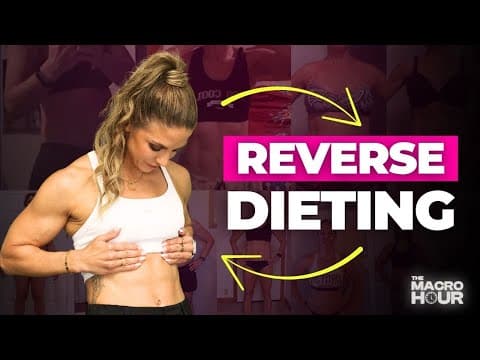
Metabolism, Eating More & Reverse Dieting
Will I gain weight when I start eating more?
Probably a little, and that's expected. Nikkiey explains that when you start eating more during a retrain or reverse diet, your weight will usually fluctuate about two to five pounds from water, glycogen, food volume and salt, not fat. If the gain keeps climbing or holds around five pounds, the increase was likely too fast.
Read the answer →
Metabolism, Eating More & Reverse Dieting
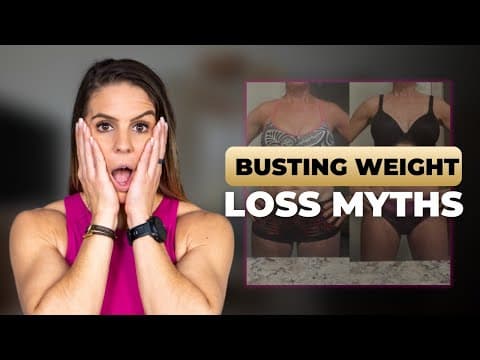
Can you lose weight by eating more?
Yes, according to The WarriorBabe Show. Nikkiey says almost every WarriorBabe success story involves eating more food, and members like Amy, Debbie, Lisa and Erin lost weight after raising their calories from chronic lows. The key, she explains, is eating enough to fuel strength training and build muscle, which is active tissue that burns calories even at rest.
Read the answer →

Metabolism, Eating More & Reverse Dieting
How long does it take to repair your metabolism?
It depends on how adapted your metabolism is. Nikkiey's ranges: about six to 12 weeks for mild adaptation after a few months of moderate dieting, closer to three months after a year or more of restriction, and six months to a year after many years of chronic dieting. Your body's response sets the timeline, not a calendar.
Read the answer →
Watch or listen in full
More on this topic → 21 min
How to Plan a 150g Protein, 2,000 Calorie Day in Advance
Video · Jan 22, 2024
 14 min
Full Day of Eating at 52 in Menopause: Meals and Workout
Video · Apr 4, 2026
 7 min
4 Routine Changes to Balance Hormones and Lose Fat After 40
Video · Feb 11, 2026