

 31 min
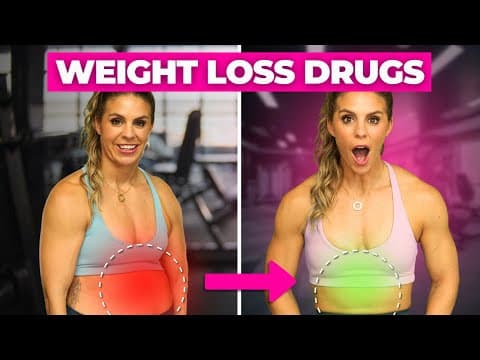
Does Ozempic Cause Muscle Loss in Women Over 40?
Episode 301 · Oct 10, 2025
3 episodes
From Nikkiey Stott and the WarriorBabe coaching team · Updated Oct 25, 2026
You started a GLP-1 and the scale is finally moving. But the mirror may be showing something you didn't expect: a smaller, softer version of yourself instead of the defined body you pictured. Or maybe you're considering Ozempic or Wegovy and wondering what it will mean for your muscle, your metabolism and what happens when you stop. On The WarriorBabe Show, Nikkiey Stott takes these questions on directly. She doesn't shame anyone who has used these medications, is on one now or is thinking about it. She says plainly that they work.
31 minEpisode 301 · Oct 10, 2025
 29 min
Episode 358 · May 4, 2026
 21 min
Episode 403 · Oct 9, 2026
Her core point is that the scale going down and fat coming off are not the same thing. Nikkiey shares that some analyses estimate up to 40% of the weight lost on GLP-1s can come from lean mass rather than fat. Women in their 40s and 50s are already losing muscle with age, so she calls this a compounding problem, not a small side effect. Appetite drops so far that most women can't eat enough protein. Low energy pushes strength training aside. Less muscle means a slower resting metabolism. In "Do GLP-1s Cause Muscle Loss in Women Over 40?" she cites a study showing participants regained an average of two-thirds of the weight they lost within 12 months of stopping.
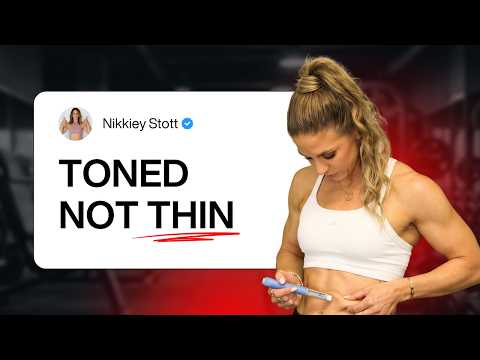
The same logic explains the mirror. In "How to Look Toned on a GLP-1, Not Just Smaller," Nikkiey explains that weight loss doesn't produce a toned look. Toned is what your body looks like when there's enough muscle underneath a reduced layer of body fat. The medication is very good at suppressing appetite and creating a calorie deficit. Building and keeping the muscle is your job.
Across the episodes, the plan stays consistent:
Nikkiey also describes your time on the medication as a window. The muscle and habits you build during it are what you keep when the prescription changes or ends.
If you're new to this topic, start with "Does Ozempic Cause Muscle Loss in Women Over 40?" for the big picture and the full WarriorBabe framework. That framework covers protein, progressive strength training, eating enough, sleep and stress management, and awareness of the habits that got you here. Next, listen to "Do GLP-1s Cause Muscle Loss in Women Over 40?" for a deeper look at why muscle loss happens and her four non-negotiables. If you're already on a GLP-1 and want to look defined rather than just smaller, go to "How to Look Toned on a GLP-1, Not Just Smaller," which includes her quick 90-gram protein strategy for getting started. If you've already lost muscle, Nikkiey's message is that it's fixable with the right strategy.
GLP-1s & Muscle
They can, according to The WarriorBabe Show. Nikkiey Stott cites analyses estimating that up to 40% of weight lost on GLP-1 medications comes from lean mass, not fat, and says the share may be higher for women in midlife. She points to too little protein and dropped strength training as the main reasons.
Read the answer →
GLP-1s & Muscle
Nikkiey's answer is to pair the medication with the habits that protect muscle. Strength train two to three times a week. Eat at least 0.8 to 1 gram of protein per pound of your goal body weight every day, even when you're not hungry. Don't let calories drop too low. She calls the medication a temporary bridge.
Read the answer →
GLP-1s & Muscle
Nikkiey recommends strength training three to four days a week while on a GLP-1, with challenging weight that increases over time. Focus on compound lifts like squats, deadlifts, rows and presses. It doesn't need to take over your life: a focused, planned 45-minute session is enough, and cardio doesn't replace it.
Read the answer →
GLP-1s & Muscle
Nikkiey explains that when you stop a GLP-1, your appetite comes back. But if you lost muscle while on it, your body now burns fewer calories at rest than before you started. That is why the weight tends to return, often faster. She cites a study where people regained about two-thirds of the lost weight within 12 months.
Read the answer →
Nikkiey Stott shares that some analyses estimate up to 40% of the weight lost on GLP-1s can come from lean mass rather than fat. She explains that appetite drops so much that protein intake falls short, and low energy often means strength training stops too.
Nikkiey explains that weight loss doesn't produce a toned look. Toned is what your body looks like when there's enough muscle underneath a reduced layer of body fat. Without a muscle-preserving strategy, a meaningful share of the weight you lose can be muscle.
In "How to Look Toned on a GLP-1, Not Just Smaller," Nikkiey recommends lifting 3-4 days a week with real, challenging load and progressive overload, even when your energy dips. In "Does Ozempic Cause Muscle Loss in Women Over 40?" she recommends strength training two to three times a week.
Nikkiey's rule is protein first, every day, even when you're not hungry and food doesn't appeal to you. The toned episode includes her quick 90-gram protein strategy for getting started.
Nikkiey explains that less muscle means a slower resting metabolism, so when appetite returns the weight tends to come back. She cites a study showing participants regained an average of two-thirds of the weight they lost within 12 months of stopping. That's why she recommends having an exit plan.
No. Nikkiey says muscle loss on a GLP-1 is fixable with the right strategy. That means protein, progressive strength training, eating enough, sleep and stress management, and tracking body composition instead of just weight.