

The short answer
No. Nikkiey explains that eating fat doesn't make you fat; eating too many calories, or so few that your body holds on to fat, does. Dietary fat supports hormone production, brain function and nutrient absorption, and healthy fats like avocados, nuts, seeds and olive oil fit into a fat-loss plan. Trans fats are the ones to avoid.
Hear it answered
Tap play to start right where it's answered. It keeps playing while you browse.
Nikkiey on where the fat-makes-you-fat myth came from and why fat is essential
Plays from 11:18 · Ep. 185: Do Carbs or Fat Make You Gain Weight? Diet Myths Debunked
Why eating less fat isn't how you lose fat, and what actually adds body fat
Plays from 27:16 · Ep. 172: How to Balance Hormones With Nutrition for Fat Loss
The hidden sugar in low-fat products and what to choose instead
Plays from 4:50 · Ep. 227: Do Carbs Make You Fat? Weight Loss Myths for Women Over 40
Healthy fats versus trans fats, and why the type of fat matters
Plays from 13:03 · Ep. 185: Do Carbs or Fat Make You Gain Weight? Diet Myths Debunked
The full answer
On Ep. 185, Nikkiey calls this a long-standing myth dating back to the 1980s and 1990s, when dietary fat was blamed for rising obesity rates. She still sees women in the WarriorBabe program afraid to eat fat because of it. Her point is that fats are not all the same. There are saturated, unsaturated and trans fats, and their effects vary. Healthy fats from avocados, nuts, seeds and olive oil can support weight loss and heart health, while trans fats in processed and fast foods raise the risk of heart disease and should be avoided. Even fat in your morning coffee is fine, she says, as long as you enjoy it and it counts toward your fat for the day.
On Ep. 172, she connects fat to hormones. Your body can't produce hormones effectively without enough healthy fats, she says, and falling short can show up in everything from mood to metabolism to muscle growth. People assume they need to eat less fat to lose fat, and Nikkiey says that isn't true. What adds body fat is too many calories, or too few, which she says can push your body to hold on to fat. The answer is the right balance of protein, fats and carbs for your goals.
On Ep. 227, she flags the low-fat trap. Many low-fat products make up for lost flavor with sugar, artificial flavors and additives. She suggests checking the label: look at the sugars, and if the ingredient list is long or full of words you can't pronounce, it's probably not a good choice. She says that extra sugar can spike insulin and lead to more fat storage over time. Her better option is whole-fat foods and healthy fats in moderation.
If you've spent years eating low-fat and still feel stuck, that's not a willpower problem. It's the plan. As Nikkiey puts it, fat is your friend, not your enemy.
From WarriorBabe's coaches (how we write our answers). For education, not medical advice: talk to your doctor about your own health.
Women also ask
More on Diets, Fasting & Diet Culture →
Diets, Fasting & Diet Culture
Do carbs make you gain weight?
No. Nikkiey explains that carbs on their own don't make you gain fat. Eating more calories than your body burns does, whether those calories come from carbs, fat or protein. Carbs are stored as glycogen, which holds about three grams of water per gram, so the scale can rise temporarily without any fat gain.
Read the answer →

Diets, Fasting & Diet Culture
Do I need to eat every 2 to 3 hours to boost my metabolism?
No. On The WarriorBabe Show, Nikkiey and her co-hosts say there's no research showing that eating every two to three hours boosts your metabolism, and it doesn't shut off between meals. Age, muscle mass and activity level matter more. What counts is total calories, macros and food quality, eaten on a schedule you can keep.
Read the answer →
Diets, Fasting & Diet Culture
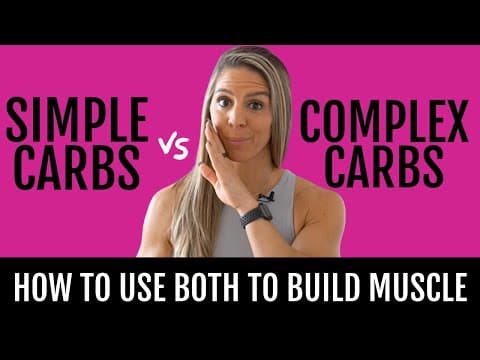
What is the difference between simple and complex carbs?
Simple carbs break down fast and hit your bloodstream quickly, giving a short burst of energy and a blood sugar spike. Complex carbs are higher in fiber and starch, carry more nutrients and digest slowly, so they give you steadier energy over hours. Nikkiey says both have a place, especially around your workouts.
Read the answer →
Diets, Fasting & Diet Culture
Do I need to detox or do a cleanse to lose weight?
No. Nikkiey explains that your liver, kidneys and digestive system already filter out and eliminate toxins, so juice cleanses and detox supplements aren't needed. Detox diets usually mean severe calorie restriction, which can lead to nutrient deficiencies, muscle loss and a slowed metabolism. A balanced diet and steady daily habits work better.
Read the answer →
Diets, Fasting & Diet Culture
How can I tell if fitness and nutrition advice is backed by science?
Start by questioning the source. Nikkiey Stott asks whether advice is based on scientific research or is a trend or marketing trying to sell you something. Lean on reliable sources like a well-qualified coach, scientific studies or a nutritionist, and be wary of anything extreme, like cutting entire food groups or replacing meals with supplements or juice.
Read the answer →
Diets, Fasting & Diet Culture
Why am I not losing weight on 1,200 calories?
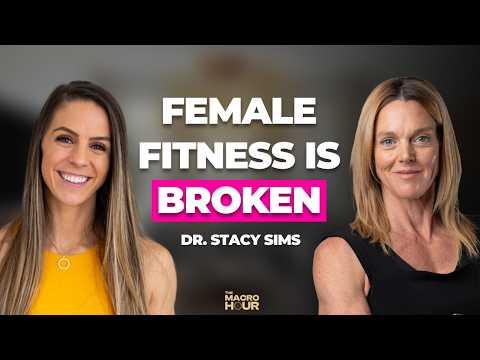
Eating 1,200 calories is often too little, not too much. Dr. Stacy Sims explains it sits around an average resting metabolic rate, so your body treats it as a threat, conserves energy and breaks down lean mass. Long-term dieting also adapts your metabolism down. Before cutting further, check your tracking is accurate.
Read the answer →
Watch or listen in full
More on this topic →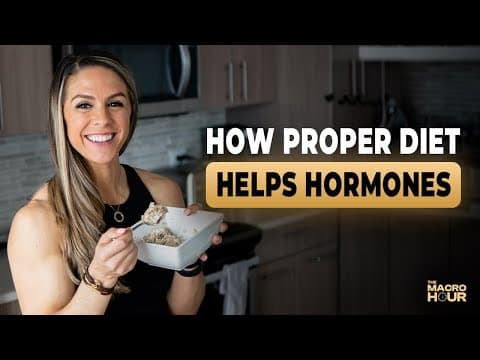 35 min
How to Balance Hormones With Nutrition for Fat Loss
Episode 172 · Jul 15, 2024
 26 min
Do Carbs Make You Fat? Weight Loss Myths for Women Over 40
Episode 227 · Jan 24, 2025
 30 min
Do Carbs or Fat Make You Gain Weight? Diet Myths Debunked
Episode 185 · Aug 30, 2024