

The short answer
Most New Year's fitness resolutions fail because January motivation runs out around week three, before results show up. Nikkiey points to three patterns: goals built only on outcomes like "lose 10 pounds," trying to change every habit at once, and expecting the body to change in a month when it took years to get here.
Hear it answered
Tap play to start right where it's answered. It keeps playing while you browse.
Nikkiey on the January crowd vanishing, and why most women quit at week three or four
Plays from 10:10 · Ep. 396: Why Fall Is the Best Time to Start Getting Fit After 40
Why outcome-only goals like losing 10 pounds stop motivating you by April
Plays from 14:35 · Ep. 220: How to Set New Year Fitness Goals That Actually Stick
How changing every habit at once in January sets you up to fail
Plays from 5:59 · Ep. 149: How to Restart Your Fitness Goals After Falling Off
Nikkiey on giving up because results don't come fast enough
Plays from 17:43 · Ep. 127: How Do I Stay Consistent With Fitness Goals After 40?
The full answer
On Ep. 396, Nikkiey describes January 2nd: a packed gym and real energy that lasts about three weeks. By February the gym is quiet. The motivation is gone, the program is harder than it looked, and the results haven't arrived. Most women quit at week three or four. Nikkiey says week six is when you can really start to see the picture.
The goals are part of the problem. On Eps. 220 and 322, Nikkiey explains that outcome goals like "lose 10 pounds" or "get toned" are external. When progress is slower than you want, motivation fades, you start doubting yourself, and many people drop off by April. Her fix is to tie goals to who you are becoming and to set process goals. That means strength training three to four times a week or hitting your protein daily. When you focus on the process, she says, you are consistently winning.
The plan is often too much. On Ep. 149, she lists the typical January overhaul: clear out the kitchen, more steps, more water, earlier bedtime, and zero to five workouts. That is a recipe for overwhelm. She recommends changing one or two things and stacking habits from there, because behavior won't change in three weeks or one month. She also suggests asking whether the goal fits your life right now. If you're dealing with something like hormonal changes, the right move might be eating more and training fewer days. That is worth sorting out with your doctor.
Patience matters too. On Ep. 127, Nikkiey reminds listeners that the body you started with took years to build, so it won't change in a month. WarriorBabe members commit to 12 months for that reason. On Ep. 396 she offers another angle: don't wait for January at all. A woman who starts in the fall walks into the new year with four months of momentum and evidence.
From WarriorBabe's coaches (how we write our answers). For education, not medical advice: talk to your doctor about your own health.
Women also ask
More on Consistency & Mindset →
Consistency & Mindset
How do I get back on track after falling off for weeks?
Start today, not Monday. Nikkiey says to skip the guilt, then simplify: commit to three strength workouts this week and hit your protein goal. Add seven days of honest logging and bring back the habits that worked before, like meal prep and calendar-blocked workouts. Missing weeks doesn't mean starting over.
Read the answer →
Consistency & Mindset
How do I find my why for getting fit?
Keep asking yourself why until you get past the surface goal. Nikkiey says losing weight, toning up or looking good in a bikini are fine goals but superficial. Ask why you want them, again and again, until you reach an emotional reason, like being a role model for your kids or keeping up with your grandkids.
Read the answer →

Consistency & Mindset
How do I find time to work out when I'm busy?
You don't need more hours; you need to put yourself on the schedule you already have. Nikkiey suggests checking your phone's screen time and giving an hour of scrolling or TV to a 30-minute workout or meal planning, then blocking workouts on your calendar and adjusting the number of days until it sticks.
Read the answer →
Consistency & Mindset
What is habit stacking?
Habit stacking means adding one new habit on top of one you've already locked in, instead of overhauling everything at once. Nikkiey borrows the idea from James Clear's book Atomic Habits: master one thing, like 10K steps a day, for a couple of weeks until it's automatic, then stack the next, like drinking more water.
Read the answer →
Consistency & Mindset
Should I wait until Monday to get back on track?
No. Across several episodes, Nikkiey says there is no perfect time to restart, and the time is right now. Waiting for Monday usually turns into a week of leftovers, extra wine and half-hearted workouts. Pick it back up within the next couple of hours with your next meal, your steps or tomorrow's workout.
Read the answer →

Consistency & Mindset
What should I do when my family doesn't support my fitness goals?
Stop trying to win their approval. Nikkiey says it isn't your job to convince anyone, because how people react to your growth says more about them than about you. Have an honest conversation with the people closest to you, create distance from the negativity, find a supportive tribe, and keep showing up for yourself.
Read the answer →
Watch or listen in full
More on this topic → 28 min
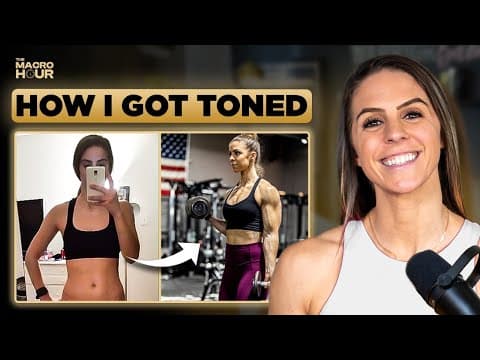
How to Restart Your Fitness Goals After Falling Off
Episode 149 · Apr 22, 2024
 35 min
How Do I Stay Consistent With Fitness Goals After 40?
Episode 127 · Feb 5, 2024
 29 min
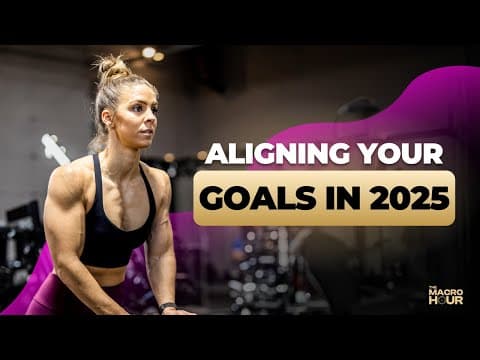
How to Set New Year Fitness Goals That Actually Stick
Episode 220 · Dec 30, 2024