

Free tool
Body Fat Calculator for Women Over 40
Your body fat percentage from three tape measurements, plus your fat and lean mass. More useful than the scale for seeing real change.
Your body fat
33.8%
Above average
- Fat mass
- 54 lb
- Lean mass
- 106 lb
Typical ranges for women: athletic 14–20%, fit 21–24%, average 25–31%. Rising a little with age is normal. Track the trend with the same tape each month; it tells you more than the scale.
Get a coach to adjust these with youNumbers are a starting point. A coach changes them as your body answers.
How your numbers are worked out
- 1The U.S. Navy method: waist, hips, neck and height, measured with a tape. Why
- 2Fat loss, not weight loss, is the goal: keep the muscle, lose the fat. Why
- 3You can weigh more and look leaner when you build muscle. Why
For education, not medical advice. On a GLP-1 medication, pregnant, or managing a medical condition? Set your numbers with your doctor.
Questions women ask
What is a healthy body fat percentage for a woman over 40?
Ranges vary by source. The American Council on Exercise lists 21 to 24% as fit and 25 to 31% as average for women, and a few points higher with age is normal.
How accurate is the tape-measure method?
It's an estimate, usually within a few percentage points of lab methods. Its real value is consistency: same tape, same spots, same time of day, every few weeks.
Why is my body fat going up in menopause?
Lower estrogen shifts where fat is stored, and muscle loss lowers what you burn. Strength training, enough protein and a gentle deficit work against both.
Go deeper
The Scale & Tracking Progress
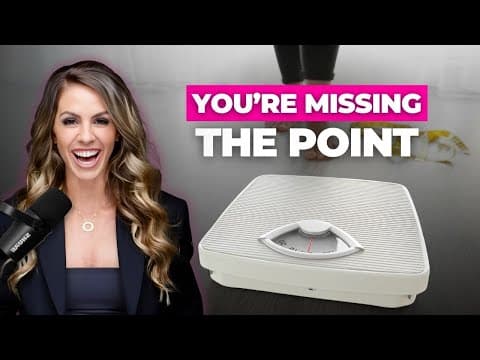
How can I track progress without the scale?
Track the changes the scale can't show: waist and body measurements, side-by-side progress photos, how your clothes fit, and whether you're lifting more than two weeks ago. Nikkiey also watches energy, sleep, cravings, recovery and habits like hitting protein and showing up to train. The scale becomes supporting data, not the decision maker.
Read the answer →
The Scale & Tracking Progress
What is the difference between weight loss and fat loss?
Weight loss is any drop on the scale, and it can come from fat, muscle, water, undigested food and even organs. Fat loss means reducing body fat specifically while keeping your lean muscle. Nikkiey explains that fat loss is what makes you look leaner, stronger and more defined, so it should be the goal.
Read the answer →
How to Get Toned
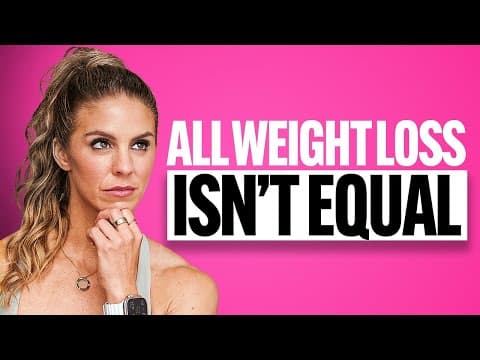
Can you weigh more and look leaner?
Yes. Nikkiey started her journey at 140 pounds and skinny fat, and now weighs 145 to 150 pounds with a smaller waist, visible abs and stronger legs. Muscle is denser than fat and takes up far less space, so building it while losing fat can make you leaner even as the scale holds steady or rises.
Read the answer →