

From 1 episode and 1 video
Will I lose muscle when I lose weight?
Answered by Nikkiey Stott and her guests · Updated
The short answer
You can, if your plan only chases a lower number on the scale. Nikkiey explains that crash diets and weight-loss-only programs strip muscle along with fat. The goal is fat loss while keeping muscle: eat enough, including carbohydrates, so your body isn't forced to burn muscle for energy.
Hear Nikkiey answer it
Tap play to start right where it's answered. It keeps playing while you browse.

Nikkiey on why weight-loss-only programs cost you muscle, and what to aim for instead
Plays from 6:27 · Video: How to Lose Fat Without Losing Muscle: 3 Key Rules
How quick fixes lead to muscle loss and a lower resting metabolic rate
Plays from 14:13 · Ep. 179: Why Yo-Yo Dieting Keeps You Stuck After 40
Why an underfed body taps into your muscle first for energy
Plays from 14:41 · Ep. 179: Why Yo-Yo Dieting Keeps You Stuck After 40
Why cutting carbs works against keeping muscle, plus a 57-year-old client's story
Plays from 16:45 · Video: How to Lose Fat Without Losing Muscle: 3 Key Rules
The full answer
Nikkiey draws a hard line between weight loss and fat loss. In her video on losing fat without losing muscle, she explains that a program focused only on weight loss will take your hard-earned muscle along with the fat. What you actually want is to shrink the body fat around your muscle while keeping the muscle itself. That is what shows tone and changes your body composition. Chasing the scale alone, she says, tends to leave you looking skinny fat and frustrated. She knows because she was there herself early in her journey: working hard, but not working smart.
On Ep. 179, she explains why quick fixes backfire. Muscle is metabolically active tissue. It never switches off. When you slash calories to around 1,000 to 1,100 a day or less, your body has nothing else to draw on, so it taps into your muscle for energy. As you lose muscle, your resting metabolic rate drops. That stacks on top of metabolic adaptation, where your body slows down to conserve energy during the cut. The result is that keeping weight off gets harder every round. This is why years of yo-yo dieting leave so many women stuck. It's the plan, not you.
The fix she keeps coming back to is food. She calls carbohydrates a key macronutrient for building and recovering muscle, especially if you're training hard, and warns that restrictive approaches like keto may work short term but aren't sustainable. She shares the example of Cheryl, a 57-year-old client whose carbs were raised from 270 grams to 330 grams while she held her weight. Give your body what it needs, Nikkiey says, and your metabolism can come along with you.
From Nikkiey Stott and WarriorBabe's coaching. For education, not medical advice: talk to your doctor about your own health.
Women also ask
More questions →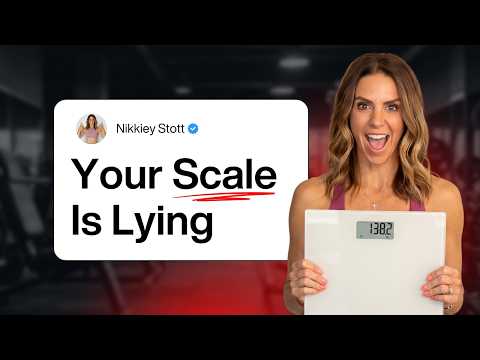
Fat Loss After 40
Why can't I lose weight after 40 even though I eat less and exercise more?
Nikkiey's answer: your body after 40 doesn't respond to restriction the way it did at 25. Eating less and doing more signals stress, so your body lowers your metabolic rate, raises cortisol, breaks down muscle and holds on to fat. The fix she teaches is more food, more protein, strength training and recovery, not further cuts.
Read the answer →
Fat Loss After 40
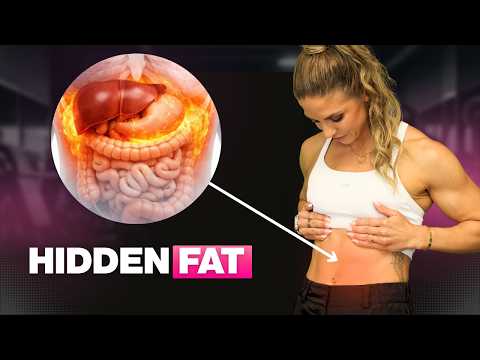
How do I lose belly fat after 40?
Build muscle and fix your nutrition instead of adding crunches, cardio or cutting food further. Nikkiey explains belly fat can't be spot-reduced; it comes off through a calorie deficit across your whole body. Her priorities: progressive strength training, enough protein, sleep, stress management and less alcohol, plus patience, because the midsection often leans out last.
Read the answer →
Fat Loss After 40
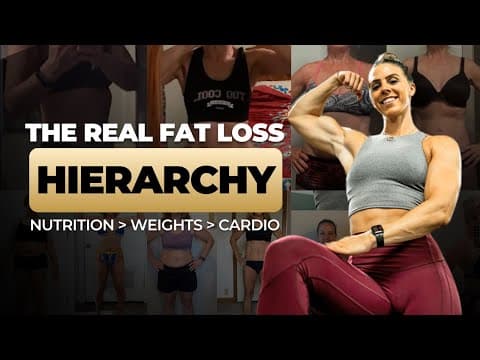
Is cardio or weight training better for fat loss?
Weight training wins. Nikkiey explains that cardio burns calories only while you're doing it and doesn't create long-term changes in your metabolism, while muscle keeps burning calories at rest. Her priority order for fat loss is nutrition first, then weights, then cardio, because you can't out-train a diet that isn't dialed in.
Read the answer →
Watch or listen in full
More on this topic → 20 min
How to Lose Fat Without Losing Muscle: 3 Key Rules
Video · Jul 19, 2020
 33 min
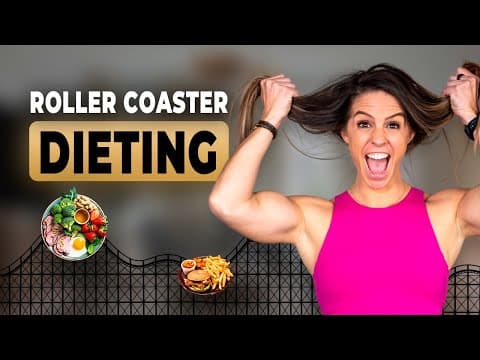
Why Yo-Yo Dieting Keeps You Stuck After 40
Episode 179 · Aug 9, 2024