

The short answer
On The WarriorBabe Show, Nikkiey Stott puts nutrition well ahead of exercise: she breaks fitness results down as 50% nutrition, 10% exercise and 40% managing your emotions. Workouts are the easy part. The harder work is eating well when you're tired, stressed or overwhelmed, and that comes down to emotional resilience.
Hear it answered
Tap play to start right where it's answered. It keeps playing while you browse.
Nikkiey's 10% exercise, 50% nutrition, 40% emotions breakdown and why workouts are easy
Plays from 8:47 · Ep. 319: Why Women Over 40 Fall Off Track and How to Stay Consistent
Why Nikkiey says most women have an emotional eating problem, not a nutrition one
Plays from 10:02 · Ep. 319: Why Women Over 40 Fall Off Track and How to Stay Consistent
Why eating well is easy on paper but hard when you're tired or overwhelmed
Plays from 10:31 · Ep. 319: Why Women Over 40 Fall Off Track and How to Stay Consistent
Nikkiey on why knowing what to do isn't enough without emotional resilience
Plays from 11:35 · Ep. 319: Why Women Over 40 Fall Off Track and How to Stay Consistent
The full answer
On Ep. 319, Nikkiey explains that the gym is the least of your problems. Exercise gets only 10% in her breakdown because workouts are structured, directed and contained: you show up, move your body and leave. She hears from women who train hard all the time and still aren't seeing results, and her point is that more effort in the gym isn't where the answer lives.
Nutrition gets 50%, but Nikkiey is clear it's rarely a knowledge problem. In her words, most women don't have a nutritional problem. They have an emotional eating, stress eating or comfort eating problem. She lists the patterns that show up around food:
Nutrition is easy on paper, she says. Following it as a real person in a hard moment is where the work begins.
- Rewarding yourself with food
- "I'm overwhelmed, so screw it"
- Eating to cope when you're tired, anxious, lonely or frustrated
That's why the remaining 40% goes to managing your emotions, which she calls the invisible battle that no program includes. Doubt, guilt, impatience, stress and exhaustion all shape what you do with your body, and if you can't regulate them you'll keep sabotaging the physical work. If you've ever said "I know what to do, I just don't do it," Nikkiey's answer is that the barrier isn't more reading or more research. It's emotional resilience: learning to pause before reacting, to breathe instead of binge, and to rest without feeling like you're quitting.
So diet matters more than exercise in this framework, but the bigger takeaway is that neither works without the emotional side. If you've been stuck, it isn't that you lack discipline. It's that most plans skip the part that decides whether you follow through.
From WarriorBabe's coaches (how we write our answers). For education, not medical advice: talk to your doctor about your own health.
Women also ask
More on Fat Loss After 40 →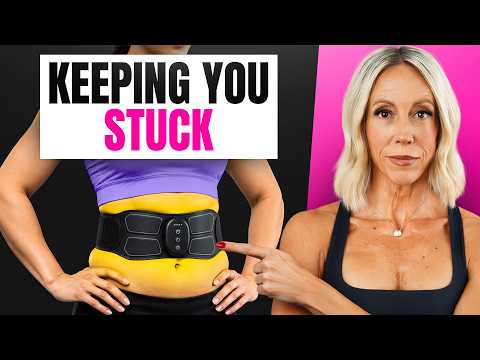
Fat Loss After 40
Do vibration plates and waist trainers actually help you lose fat?
No. Maggie explains that vibration plates jiggle your muscles without enough mechanical tension to build muscle or drive fat loss. Waist trainers only make you sweat water, which comes right back when you drink. Fat leaves the body through the liver and lungs, not sweat. Dumbbells, protein and proper nutrition do the real work.
Read the answer →
Fat Loss After 40
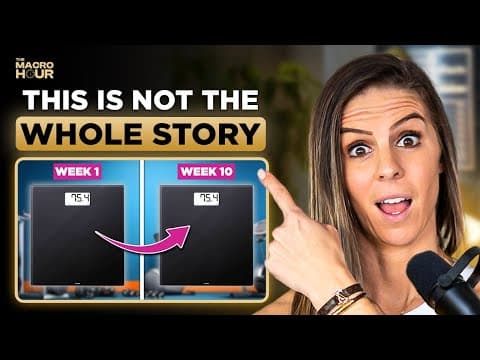
Why is it so hard to lose the last 10 pounds?
The last 10 pounds are hard because your body adapts as you get leaner. Nikkiey explains that a smaller body burns fewer calories for the same activities, your metabolism slows, and a balance-keeping mechanism treats those pounds as a reserve. Her fix is consistent, dialed-in nutrition for 60 to 90 days, not more cardio.
Read the answer →

Fat Loss After 40
How much cardio should I do to lose fat?
Less than you probably think. Nikkiey's guidance is two or three cardio sessions a week, or simply hitting your step count (around 10,000 a day), and that's plenty for most women. Cardio supports heart health and endurance, but strength training and nutrition should drive fat loss, not daily treadmill time.
Read the answer →
Fat Loss After 40
When should I lower my calories during a fat loss phase?
Lower your calories only after a true plateau of around eight weeks, when your adherence is genuinely good, your tracking is accurate and honest, your movement is consistent and your recovery is reasonable. Nikkiey explains that even then, the change should be small and intentional, and sometimes a slight increase in movement is the better adjustment.
Read the answer →
Fat Loss After 40
How fast should I expect to lose weight?
Nikkiey says sustainable fat loss might average 0.5 to 1 pound per week, and some weeks you'll see nothing because water retention, your period or stress can mask progress. Judge the trend over months, not days, and don't measure yourself against anyone else's timeline. Moving slower is how the women who keep it off got there.
Read the answer →

Fat Loss After 40
Why can't I lose weight after 40 even though I eat less and exercise more?
Nikkiey's answer: your body after 40 doesn't respond to restriction the way it did at 25. Eating less and doing more signals stress, so your body lowers your metabolic rate, raises cortisol, breaks down muscle and holds on to fat. The fix she teaches is more food, more protein, strength training and recovery, not further cuts.
Read the answer →
Watch or listen in full
More on this topic → 25 min
Why Women Over 40 Fall Off Track and How to Stay Consistent
Episode 319 · Dec 15, 2025