.svg)


Average Lean Body Mass for Female: 2026 Benchmarks
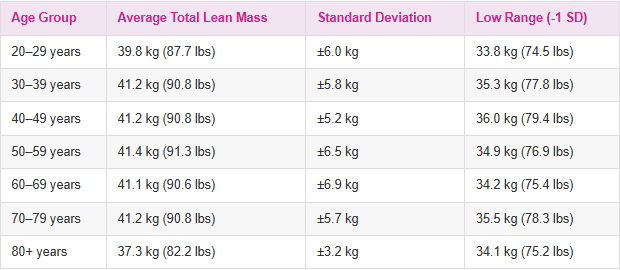
Lean body mass (LBM) is the total weight of everything in your body except fat, including muscle, bones, organs, and water. For women, average lean body mass ranges from 37-41 kg (82-91 lbs) depending on age, with peak muscle mass occurring between ages 30-59.
Lean body mass = Total body weight - Fat mass
Key Takeaways:
- Women ages 30-59 maintain the highest average lean mass at approximately 41 kg (91 lbs)
- After age 80, average lean mass drops to 37.3 kg (82 lbs) - a 9% decrease from peak levels
- Appendicular lean mass (arms and legs) averages 15-17.5 kg (33-39 lbs) for adult women
- Clinical cut-off for low muscle mass: ALMI below 5.5 kg/m² or ALM below 15 kg
This article provides granular lean body mass benchmarks broken down by age group, body region, and height-adjusted indices to help you understand where you fall on the spectrum and identify if intervention is needed.
How This Data Is Organized
- Total Lean Mass by Age: Overall lean body mass measurements from ages 20-80+
- Appendicular Lean Mass (ALM) by Age: Functional muscle mass in arms and legs
- Lean Mass Index (ALMI) by Age: Height-adjusted benchmarks accounting for body size
- Clinical Thresholds: Cut-off values indicating low muscle mass requiring intervention
Total Lean Body Mass by Age
Women maintain relatively stable total lean mass from ages 20 to 79, with a notable decline beginning after age 80. Data based on DEXA scan analysis of 1,111 healthy adults with normal muscle strength.
Key Insight: Total lean mass remains remarkably stable until age 80, when it decreases by an average of 9%. However, individual variation is significant, with standard deviations of 5-7 kg across most age groups.
Appendicular Lean Mass (Arms + Legs) by Age
Appendicular lean mass represents the functional muscle in your limbs and is the most important predictor of physical function and independence. This metric shows a more pronounced age-related decline than total lean mass.
Key Insight: Women lose an average of 2.2 kg (4.9 lbs) of appendicular lean mass between peak levels (age 30-39) and age 80+, a 12.6% decline in functional muscle tissue.
Appendicular Lean Mass Index (ALMI) by Age
ALMI adjusts for height by dividing ALM by height squared (kg/m²), providing a more accurate assessment across different body sizes. Based on analysis of over 450,000 DEXA scans.
Key Insight: ALMI shows a consistent decline with age, decreasing approximately 0.38 kg/m² between ages 25-29 and 65+. Women at the 50th percentile (median) at age 65+ have similar ALMI to women at the 10th percentile in their 20s.
Clinical Cut-Off Values for Low Muscle Mass
Research has established specific thresholds below which muscle mass is considered clinically low and may require medical or nutritional intervention.
When to be concerned:
- Your measurements fall below these clinical cut-offs
- You've experienced rapid, unintentional muscle loss
- You have difficulty performing daily activities that require strength
- You've had multiple falls or balance issues
If you fall below these thresholds, consult with a healthcare provider or registered dietitian specializing in body composition to develop an intervention plan focused on resistance training and adequate protein intake.
Further Reading & Next Steps
To better understand and improve your lean body mass:
- Get a baseline DEXA scan: The gold standard for measuring body composition accurately. Costs $50- $ 200 and provides detailed measurements of muscle, fat, and bone density.
- Calculate your protein needs: Women building or maintaining muscle mass should consume 1.4-2.0 grams of protein per kilogram of body weight daily.
- Start a strength-training program: Progressive resistance training 3 to 4 times per week is the most effective way to build and maintain lean mass at any age.
For personalized support building lean muscle mass after 40, the WarriorBabe VIP 1:1 Coaching Program provides customized nutrition plans, progressive strength training, and dedicated coaching specifically designed for women over 40 looking to build muscle and optimize body composition. Learn more at warriorbabe.com or contact us to discuss your goals.
Sources
- Radecka, A., Pluta, W., Miazgowski, T., & Lubkowska, A. (2025). Cut-off values for the muscle mass indices determined using DXA in healthy Polish adults – a comparison to EWGSOP2 recommendation. Aging (Albany NY), 17(2), 482–496.
- BodySpec. (2025). Healthy Muscle Mass Percentage for Women by Age. Based on analysis of over 450,000 DEXA scans.
- Janssen, I., Heymsfield, S. B., Wang, Z. M., & Ross, R. (2000). Skeletal muscle mass and distribution in 468 men and women aged 18-88 yr. Journal of Applied Physiology, 89(1), 81-88.

More sessions, not longer ones If you want to increase your cardio and it’s actually going to help you move toward your goals (i.e. you’re not overdoing it), don’t just extend your sessions — you’ll benefit more from distributing it more evenly over extra sessions. This helps mitigate against fatigue as long cardio workouts drain a ton of energy. By distributing the same total amount of cardio across more days of the week, you’ll typically notice more consistent energy levels and be able to enjoy life more in general! So don’t be tempted to go through it all at once.
1
min read
More sessions, not longer ones
If you want to increase your cardio and it’s actually going to help you move toward your goals (i.e. you’re not overdoing it), don’t just extend your sessions — you’ll benefit more from distributing it more evenly over extra sessions. This helps mitigate against fatigue as long cardio workouts drain a ton of energy. By distributing the same total amount of cardio across more days of the week, you’ll typically notice more consistent energy levels and be able to enjoy life more in general! So don’t be tempted to go through it all at once.

Set a step goal
I tell all my babes to get in 10,000-12,000 steps every day. This ensures they get in a solid amount of cardio and keep moving for a solid portion of the day without it becoming excessive. Walking is a great way to achieve this if you don’t enjoy intense cardio, and it has the added benefit of being low-impact, so you’re way less likely to sustain injuries than would from running. You don’t have to go super hard in your cardio sessions — save the most intense work for strength training where you can really feel the benefits!

Never do cardio before strength training
Doing cardio right before you start a strength workout rapidly depletes your energy and glycogen stores, leaving you with no gas left in the tank when you get into the heavy stuff! This forces your rep count and the weight you can handle to plummet, reducing your lean muscle gains. If you do them around the same time, always do cardio second —save your energy for strength training, when it’s most important. This change alone will ratchet up your gains and move you closer to the body composition you want!We’ve helped thousands of women get toned without excessive cardio, allowing them to enjoy life more fully while building a body composition they love — if you want to join a program that helps you tone up sustainably while loving the process…


If you’re serious about building a body composition you love, carbs aren’t just helpful; they’re essential. Building definition without carbs will be one of the hardest things you ever do, and here’s why...
3
min read
1. Fuel for your muscles
Ever wonder how your muscles get their energy for your workouts? Ideally, your muscles want to consume glycogen for fuel — a compound made from the carbohydrates your body consumes. That means if you consume little to no carbs, not only will you have no glycogen available, your body will turn to other energy sources... and one of those is your muscle tissue itself! If you’re breaking down muscle to feed muscle, you’re fighting an uphill battle. Your body can learn to burn fat for muscle, which is largely what ketogenic diets rely on, but read the next section before you count on that.

2. Alternative energy sources
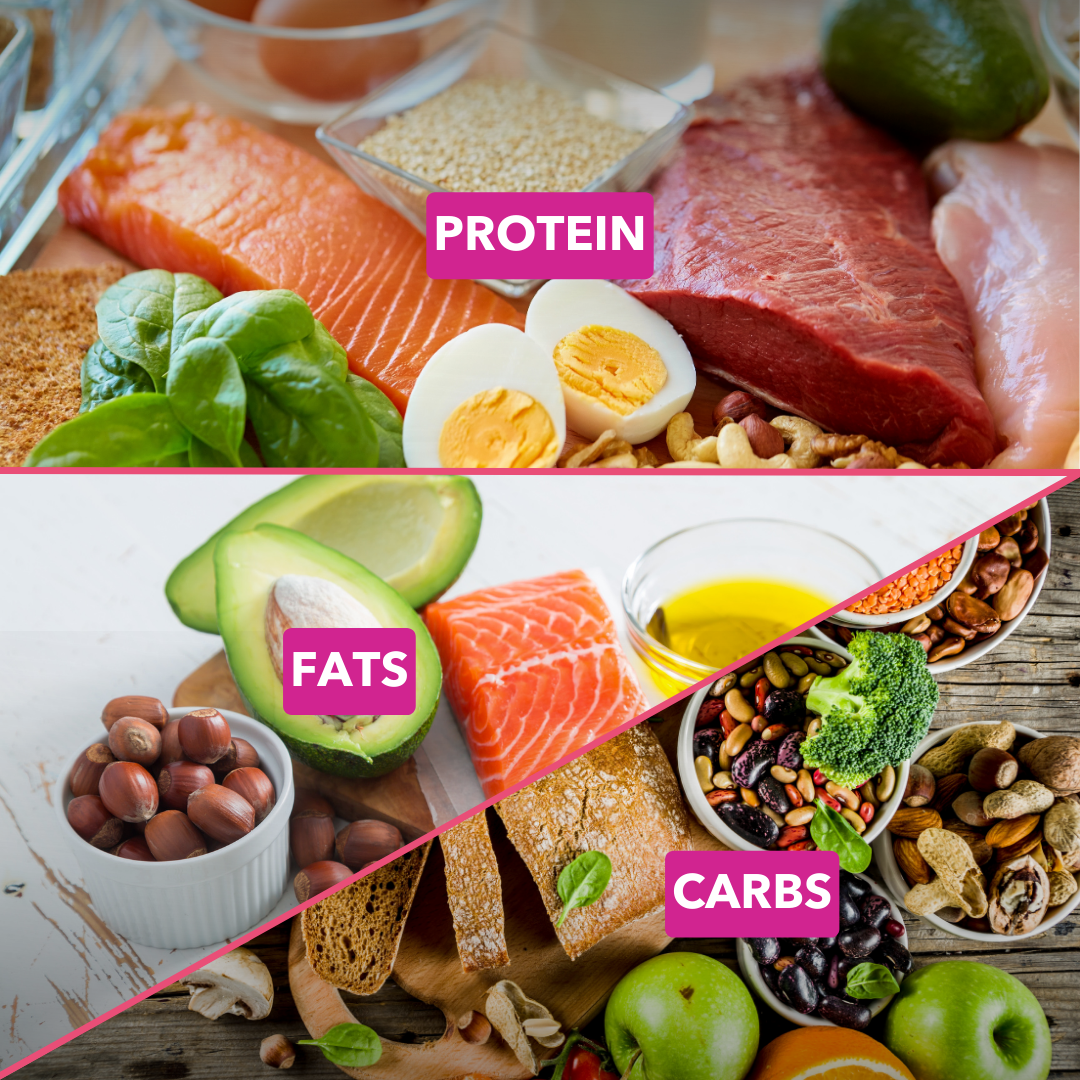
Yes, your body can adapt to using fat for fuel, but consider this: Would you give your car a form of fuel it wasn’t designed for simply because someone told you it would still run? Of course not! Besides, how do you know what the cumulative effect will be years down the line? Our bodies are meant to consume protein, fats, and carbs — all are sources of energy, and all of them are essential to our long-term health and optimal function. Lose any one of them and your body will do its best to adapt, but it will never reach its full potential or reward you for it... and your body composition will suffer in the meanwhile.
3. Quick availability
You can take preworkout if you choose, but nothing primes your body for muscle growth like simple carbohydrates. These fast-digesting energy sources are quickly converted into glycogen, meaning you can eat shortly before your workout and get an energy spike you can actually use, instead of one that just leads you to crash later. White bread, white rice, certain fruits, and even refined sugars can all serve this purpose, provided they’re combined with lean proteins — and lean is essential, because your body will prioritize digesting fats FIRST, removing the primary benefit of that quick hit of carbs.
Want 1-on-1 support with using carbs to build your dream body composition? Apply to become a WarriorBabe here!

Protein often comes with hidden fat. Learn why checking fat content is key to managing calories and macros. Make smarter choices for leaner nutrition!
1
min read
Not checking for fat content
Most protein sources have fat content — sometimes as much or more as the protein itself. Plus, fat has more than twice the calories per gram that protein does! That’s why you’ll see recipes that call for egg whites instead of whole eggs, but the same principle can even apply to meats where there isn’t visible fat. For example, chicken breasts are much leaner than legs. Be sure to check the fat content on protein sources when you buy them and either change up what you buy or factor the non-protein macros into your daily numbers!

Eating incomplete proteins
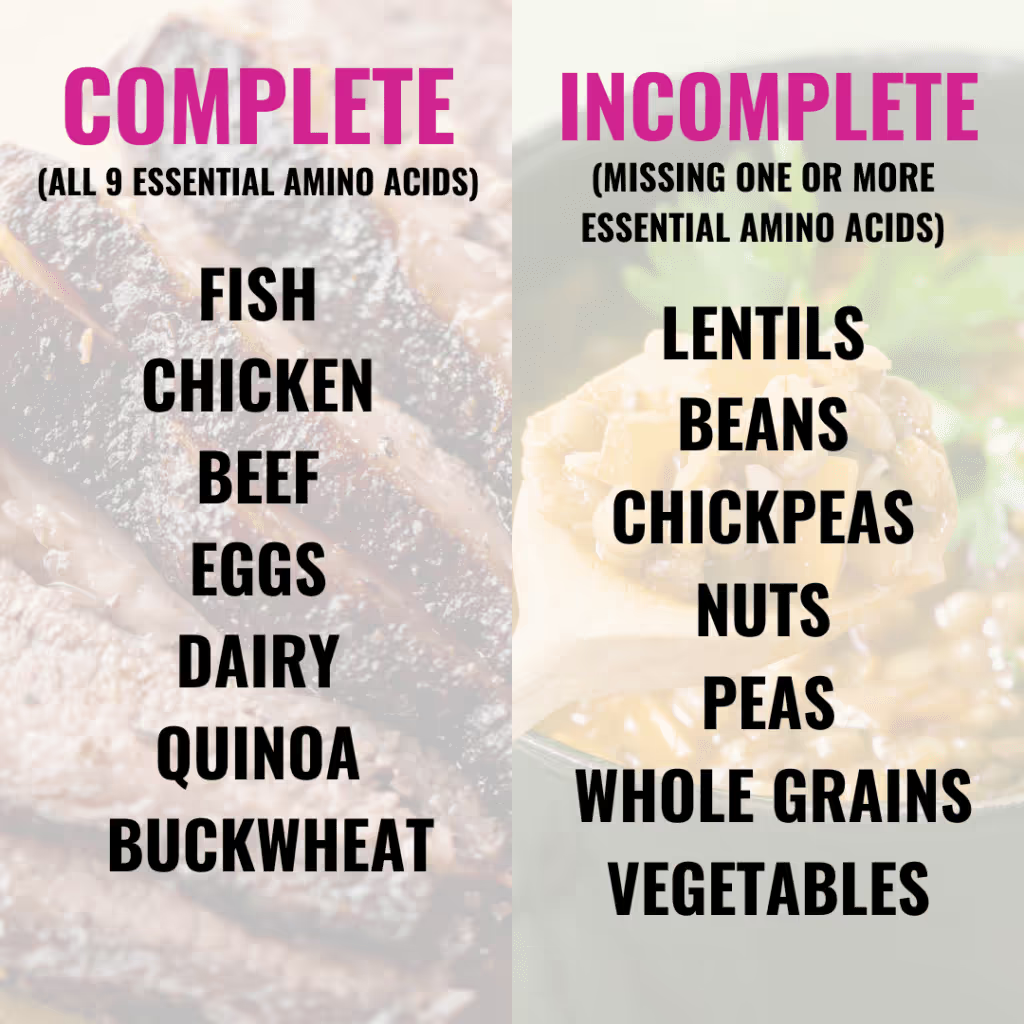
You can absolutely build the body composition you want on a plant-based diet, and we even have coaches at WarriorBabe that specialize in exactly that. However, don’t go completely off of nutrition facts and assume that the amount of protein listed is what you’re getting! That protein needs to have all 9 essential amino acids to be useful to the body, whether that means getting it from a complete source like soy or combining two foods that have complementary amino acids, such as rice and certain types of beans.
“Batching” your protein intake
Once you know your ideal daily protein intake, don’t just focus on the number — how you distribute it throughout the day is so important. The human body can’t process a full day’s worth of protein at once! For example, eating a low-protein breakfast and lunch followed by a protein-heavy dinner will not give you the same results as splitting the same amount equally across several smaller meals. Gradual absorption throughout the day is key to making the most out of your protein intake!It can be a struggle to consistently get quality protein sources in your diet, but you don’t have to figure out your macros alone — by becoming a WarriorBabe, you gain access to all the resources, coaching, and feedback you need to achieve balanced nutrition that enables you to build the body and lifestyle you want!


Want better sleep, a stronger body, and more energy throughout the day? They’re all related, and in this guide we’re talking about how to improve all of them all at once!
2
min read
Want better sleep, a stronger body, and more energy throughout the day? They’re all related, and in this guide we’re talking about how to improve all of them all at once!
1. Night Sweats and Hot Flashes
When your body overheats at night, it’s more than just an uncomfortable moment — it robs you of deep, restorative sleep. During deeper stages of rest, your muscles repair themselves from the day’s wear and tear, especially if you’ve been working out. But when you’re jolted awake by hot flashes, that repair process gets interrupted, slowing your progress toward a lean, defined physique! One helpful tip: try lowering your bedroom temperature before bedtime or using breathable bedding to keep yourself cooler. Even a slight drop in temperature can help prevent these nighttime “thermal spikes,” so your muscles can heal and grow.

2. Caffeine Timing
A warm cup of coffee or tea in the afternoon might feel comforting, but if you’re 40-plus and experiencing disrupted sleep, it’s worth a closer look at your caffeine intake. Even a moderate amount later in the day can prolong the effects of cortisol, your stress hormone. Elevated cortisol levels make it harder to have a good night’s rest, which means your body misses out on a prime muscle-building window. If you love your coffee, consider switching to decaf or a lower-caffeine tea by early afternoon — this small tweak can help you wind down naturally and give your body the downtime it needs to repair and tone your muscles!

3. Late-Night Eating
Hormonal changes during menopause can stir up unexpected hunger at night, and reaching for a snack might seem harmless at first. But eating too close to bedtime can rev up your metabolism right when it should be slowing down, leading to a restless sleep and a higher chance of storing extra calories as fat. Aim to wrap up your last meal or snack at least two hours before lights out (no need to go to extremes like with intermittent fasting). If you do need something late in the evening, keep it light — like a protein shake or a handful of nuts — to support muscle recovery without overloading your digestive system. This simple habit can make all the difference in how rested you feel and how effectively your body builds muscle overnight.

Struggling with sleep and muscle tone? We help women get the rest they need to maintain a firm, sculpted physique through menopause and beyond. Apply for our VIP program here!

Different proteins have different uses, and once you know their best uses, it will be much easier to look, feel, and live like your best self! Let’s cover the Big 3...
3
min read
1. Meat
The most obvious protein choice in most people’s minds! Meat has tons of great micronutrients, varying widely between different animals. In general, the healthiest options for land & sky meats are lean, as their fats are heavy in omega-6 fatty acids and saturated fat. Fatty fish is much healthier and is heavier in essential omega-3s, which have a wide range of benefits you don’t want to miss out on. Just make sure to account for this in your macros — lean and fatty meats have very different caloric values, which is a critical factor to consider when planning out your plans for toning!

2. Dairy & eggs
Egg whites. Nonfat Greek yogurt. Whey protein powder. Whole eggs, if you want the added fats and your daily dose of choline. There are tons of ways to get your fill of protein from these two animal products, and they make it simple to get plenty of protein on a vegetarian diet! You can eat any of them at any time of day, of course, but one thing to note: Generally, you’ll want to avoid Greek yogurt around your workouts. Its protein comes from casein, which is slow-digesting, rather than the fast-digesting protein in whey protein powder. If you want to stay fuller for longer (and you’re not eating near a workout), then casein-heavy foods like Greek yogurt are a great choice!

3. Plant sources
Everyone knows about tofu. If you’re not gluten-sensitive, maybe you’ve tried seitan before. But while the ‘protein-heavy’ plant sources get all the buzz, there’s a bigger world of plant proteins most women never think about: the protein found in nearly all plants. Everything from tomatoes to zucchini to beans to rice has at least a small amount of protein, and many sources contain a lot! Once you know how to ballpark the protein content of your favorite healthy plants, it’s a lot easier to hit your daily protein targets and fit your favorite foods into your macros. Over the course of a day, “a gram here, a gram there” adds up to more protein than you might expect.

Want 1-on-1 support with dialing in your protein and building your dream body composition? Apply to become a WarriorBabe here!

Menopause macro calculator determining your ideal protein, carb, and fat targets for weight loss during hormonal transition.
10
min read
You've been told to "eat less, move more," but your menopausal body refuses to cooperate. The truth? Generic macro calculators were designed for 25-year-old metabolisms, not women navigating declining estrogen, insulin resistance, and metabolic slowdown after 40.
The WarriorBabe Menopause Macro Calculator changes that. Instead of using one-size-fits-all formulas that ignore your hormonal reality, this calculator provides personalized macro targets specifically designed for menopausal metabolism, helping you understand exactly how much protein, carbs, and fats your changing body needs to restore metabolic function and achieve sustainable body recomposition.
Why Generic Macro Calculators Fail Women in Menopause
Most macro calculators apply the same TDEE (Total Daily Energy Expenditure) formulas regardless of age or hormonal status. But here's what they're missing:
- Declining Estrogen Changes Everything: After 40, estrogen decline shifts how your body stores fat (hello, menopot belly), processes carbohydrates, and maintains lean muscle mass. Standard calculations don't account for this metabolic shift.
- Insulin Sensitivity Isn't Static: Menopause dramatically reduces insulin sensitivity, meaning your body handles carbohydrates differently than it did in your 30s. Generic formulas ignore this critical factor.
- Muscle Loss Accelerates: Women lose 3-8% of muscle mass per decade after 30, with accelerated loss during menopause. Less muscle means slower metabolism, but standard calculators don't adjust protein needs accordingly.
- Metabolic Adaptation from Past Dieting: If you've tried keto, paleo, Weight Watchers, or intermittent fasting, your metabolism has likely adapted (slowed down) from repeated restriction. Most calculators can't detect or correct for this damage.
The WarriorBabe Menopause Macro Calculator was specifically engineered to address these exact metabolic challenges that emerge during hormonal transition.
How the Menopause Macro Calculator Works
This calculator uses the Menopausal Macros System™, the same proprietary approach that has helped 21,000+ women restore their metabolism and achieve body recomposition after 40.
Step 1: Hormonal Status Assessment
You'll indicate whether you're in perimenopause, menopause, or postmenopause, so the calculator can adjust macro ratios to your specific hormonal stage.
Step 2: Metabolic History Evaluation
The calculator asks about your dieting history to detect potential metabolic adaptation and adjust your starting macros accordingly.
Step 3: Activity Level Calibration
Rather than generic activity multipliers, we assess your actual training style (strength-focused vs. cardio-heavy) since muscle-building activities require different macro ratios than endurance work.
Step 4: Personalized Macro Output
You'll receive customized targets for:
- Protein: Typically 1g+ per pound of goal body weight to support muscle preservation and building
- Carbohydrates: Strategically calibrated for your insulin sensitivity and activity level
- Fats: Optimized to support hormone production while allowing room for energy balance
Step 5: Implementation Guidance
Along with your numbers, you'll receive practical next steps for implementing your macros and understanding how to adjust as your body responds.
Understanding Your Macro Targets
Protein: The Non-Negotiable Foundation
After 40, protein becomes even more critical as your body becomes less efficient at building and maintaining muscle. WarriorBabe prioritizes high protein intake (typically 130-160g daily) to combat age-related muscle loss, support metabolic function, and maintain satiety. This calculator will show you exactly how much protein your menopausal metabolism needs.
Carbohydrates: Fuel for Performance, Not Fear
You've been told carbs are the enemy, but strategic carbohydrate intake actually supports hormone production, workout performance, and metabolic flexibility. The key is to eat the right amount at the right times, based on your activity level and insulin sensitivity. Our calculator determines your optimal carb range to fuel your body without triggering fat storage.
Fats: Hormonal Support & Satiety
Dietary fat is essential for hormone production, especially critical during menopause when your body is already producing less estrogen. However, fat is also calorie-dense, so the balance matters. This calculator finds your sweet spot for supporting hormonal health while creating the energy balance needed for body recomposition.
What to Do With Your Macro Results
Once you have your personalized macro targets, here's how to put them into action:
- Start Tracking: Use a food-tracking app like MyFitnessPal, Cronometer, or WarriorBabe to monitor your daily intake and see how different foods fit your macros.
- Prioritize Protein First: Hit your daily protein target. This is the most critical macro for maintaining and building lean muscle during menopause.
- Be Patient With Your Metabolism: If you've been under-eating for years, your metabolism may need time to adapt to eating more. Trust the process.
- Adjust Based on Response: Pay attention to energy levels, sleep quality, workout performance, and changes in body composition. If something feels off after 2-3 weeks, small adjustments may be needed.
- Consider Expert Support: Macros are powerful, but navigating metabolic restoration, hormonal fluctuations, and body recomposition is complex. Working with a coach who specializes in menopausal metabolism ensures you're optimizing every variable for your unique situation.
Beyond the Calculator: The Complete WarriorBabe Approach
While this calculator provides personalized macro targets designed for menopausal metabolism, it's just the starting point. The real transformation happens when you combine these macros with:
- The Menopausal Macros System™: Custom macro ratios, metabolic retraining, and timing strategies that evolve as your hormones change month to month.
- The Strength & Muscle Activation Blueprint™: Lean muscle-building workouts that rev your metabolism by rebuilding the metabolically active tissue you're losing during menopause.
- Expert 1:1 Coaching: Real-time macro adjustments based on how your unique body responds, energy patterns, sleep quality, and body composition changes.
Stop fighting your changing body with generic approaches that ignore your hormonal reality.
Apply for VIP 1:1 Coaching Today
Tired of Watching Your Body Composition Slip Year After Year?
Regain control over stubborn weight gain. Build a sculpted, energetic body—no fad diets, no marathon gym sessions, and no giving up the foods you love.
.svg)
.svg)


